In the world of premium footwear and leather accessories, quality is perceived through details. The average consumer may not know the technical terms for each production step, but they instinctively recognize craftsmanship when they see it. One of the most telling indicators of superior manufacturing is the edge finish on leather straps, belts, and shoe components. Clean, smooth, perfectly painted edges signal durability and attention to quality, while rough or peeling edges suggest the opposite. This is why edge painting has evolved from a manual finishing touch into a specialized automated process, and why modern edge painting machines have become essential equipment for manufacturers committed to producing high-quality leather goods.
The journey of a leather component from cut piece to finished product involves numerous steps, but edge finishing is where the item truly comes to life. After a leather strap is cut and skived, its raw edges reveal the fibrous interior of the material, which is both unattractive and vulnerable to moisture and wear. Edge painting seals these fibers, creating a protective barrier that prevents fraying and delamination. But beyond protection, the painted edge provides a smooth, glossy finish that matches or complements the leather color, giving the finished product a cohesive, professional appearance that consumers associate with luxury and quality.
For decades, edge painting was performed exclusively by hand, requiring skilled artisans to apply layer after layer of edge paint with small applicators, then heat the edges and burnish them to achieve a smooth finish. This manual process was slow, inconsistent, and heavily dependent on individual skill levels. Even the most talented craftspeople could only produce a limited number of pieces per day, making edge painting a significant bottleneck in leather goods production. Furthermore, maintaining consistency across large production runs was nearly impossible, as slight variations in pressure, paint application, and drying time would inevitably occur from piece to piece.
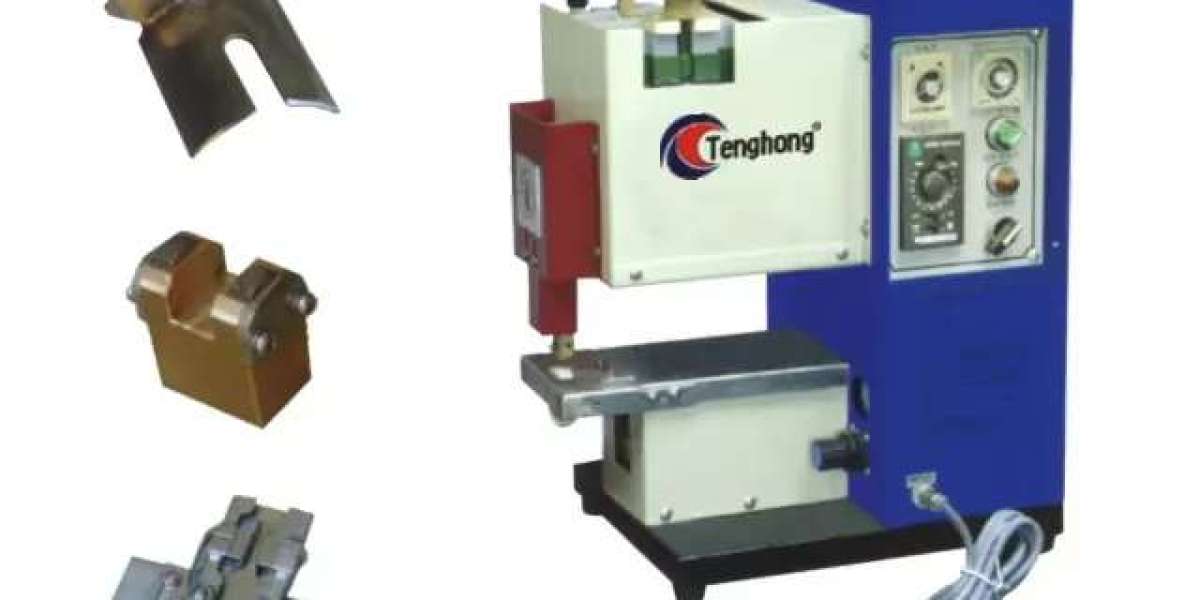
The development of automatic edge painting machines revolutionized this aspect of leather manufacturing. These sophisticated devices apply edge paint with mechanical precision, controlling every variable that affects final quality. Modern edge painting machines from leading Chinese manufacturers use precision applicators to deposit exactly the right amount of paint onto the leather edge, followed by automated drying and polishing systems that produce a flawless finish in seconds rather than minutes. The result is consistent, high-quality edge finishing that would be impossible to achieve manually at any reasonable production speed.
Understanding how these machines work reveals why they have become indispensable for serious leather goods producers. A typical automatic edge painting machine consists of several integrated stations through which the leather piece travels. First, the edge is prepared, often with a light sanding to ensure optimal paint adhesion. The piece then moves to the paint application station, where a precision roller or nozzle applies a controlled layer of edge paint. Some machines use heated applicators that partially cure the paint during application, reducing overall processing time. After application, the piece passes through a drying tunnel where infrared or hot air systems cure the paint to a hard, durable finish. Finally, polishing wheels or burnishing tools smooth the painted edge to a high gloss, completing the process in a continuous, automated flow.
The benefits of this automated approach extend far beyond simple speed improvements. Consistency is perhaps the most significant advantage, as machine-controlled application eliminates the variability inherent in manual work. Every piece receives exactly the same amount of paint, applied at the same pressure, and cured for the same duration, ensuring that finished products are truly identical. This consistency is essential for brands that sell through multiple channels, as customers expect the same quality whether they purchase in Paris, New York, or Tokyo. Additionally, automated edge painting significantly reduces material waste, as precise application means no excess paint to wipe away and no ruined pieces from uneven application.
For manufacturers producing a range of products with different edge thicknesses and shapes, modern edge painting machines offer remarkable flexibility. Adjustable applicators and programmable controls allow operators to switch between settings for thin watch straps, medium belt edges, or thick shoe components in minutes. This versatility means that a single machine can serve multiple production lines, maximizing return on investment and simplifying factory floor planning. Leading Chinese machinery manufacturers have particularly excelled in designing user-friendly control systems that make these adjustments intuitive, reducing the training time required for new operators.
Edge painting machines do not work in isolation, of course. They are most effective when integrated into a comprehensive leather processing workflow that begins with precision cutting and continues through skiving, edge painting, and final assembly. High-quality leather cutting machines ensure that edges are clean and uniform before painting begins, while leather skiving machines thin the edges appropriately to prevent bulky seams that would interfere with smooth paint application. After painting, components may move to hot stamping machines for logo application or to punching machines for hardware attachment, with each station contributing to the final product quality. When all these machines come from a single trusted manufacturer, integration is seamless and production flows smoothly from one step to the next.
The choice of edge painting equipment significantly impacts both production efficiency and final product quality, making careful selection essential for any serious leather goods manufacturer. Several factors deserve particular attention during the evaluation process. Production volume is obviously important, as it determines whether a compact single-station machine or a high-throughput multi-lane system is most appropriate. Edge thickness range matters because different products require different applicator configurations. Material types also influence machine selection, as some edge paints and applicators work better with certain leather finishes or synthetic materials. And because edge painting is often a bottleneck in production, machine reliability and ease of maintenance should be high priorities, with preference given to manufacturers who offer responsive after-sales support and readily available spare parts.
China has emerged as the global leader in leather machinery manufacturing for compelling reasons that directly benefit footwear and accessories producers worldwide. Chinese manufacturers have invested heavily in research and development, creating edge painting machines that incorporate the latest advancements in precision application, temperature control, and automated handling. These companies benefit from mature supply chains that provide access to high-quality components at competitive prices, allowing them to offer sophisticated machinery at price points that make automation accessible to factories of all sizes. Additionally, Chinese manufacturers have developed particular expertise in creating flexible, adaptable equipment that can handle the diverse production requirements typical of modern leather goods manufacturing. Companies like Guangdong Tenghong Machinery Technology Co., Ltd., with their decades of experience in the heart of Dongguan's manufacturing region, exemplify this combination of innovation, quality, and value that has made China the preferred source for leather processing equipment.
The business case for investing in automatic edge painting technology is compelling by any measure. Manufacturers who upgrade from manual to automated edge finishing typically see immediate improvements in production throughput, often doubling or tripling output without adding labor. Quality consistency eliminates the need for rework and reduces material waste, directly improving profit margins. The superior finish achievable with modern edge painting machines commands higher prices in the marketplace, as retailers and consumers increasingly recognize and value meticulous craftsmanship. And because automated machines can run for extended periods with minimal supervision, they free skilled workers to focus on tasks that truly require human judgment and creativity, improving both job satisfaction and overall productivity.
For footwear manufacturers specifically, edge painting technology has become increasingly important as fashion trends emphasize visible edges on sandals, open-back shoes, and cutout designs. Where edges were once hidden inside the shoe construction, they are now often prominent design features that consumers evaluate when making purchasing decisions. A clean, perfectly painted edge on a sandal strap signals quality and justifies a higher retail price, while a rough or uneven edge suggests corners were cut elsewhere in production. This dynamic has elevated edge painting from a finishing detail to a competitive differentiator, making investment in quality edge painting equipment a strategic decision with direct impact on market positioning.
Looking ahead, edge painting technology continues to evolve in response to manufacturer demands for greater efficiency, flexibility, and sustainability. Recent innovations include machines with quick-change applicator systems that reduce changeover times between production runs, energy-efficient drying technologies that lower operating costs, and improved paint formulations that achieve better coverage with thinner applications. Some advanced machines now incorporate vision systems that inspect each finished edge and automatically adjust parameters to maintain perfect quality, representing the cutting edge of automated leather finishing. As these technologies mature and become more accessible, they will further raise the baseline of quality expected in the leather goods market, making current edge painting capabilities the minimum standard for competitive production.
Manufacturers considering their first edge painting machine or an upgrade to existing equipment face an important decision with long-term implications for their business. The choice of equipment affects not only current production capabilities but also future flexibility to adapt to changing market demands. Partnering with an established Chinese manufacturer offers distinct advantages in this context. These companies bring decades of accumulated experience solving the practical challenges of leather processing, and they design their equipment with the real-world needs of production floors in mind. Their machines are built for durability and ease of maintenance, understanding that downtime is the enemy of profitability. And because they serve customers across multiple continents, they have developed support systems that ensure help is available when needed, regardless of time zone or location.
Guangdong Tenghong Machinery Technology Co., Ltd., with its comprehensive range of leather processing equipment and deep roots in China's premier shoe manufacturing region, represents the ideal partner for manufacturers seeking to elevate their edge finishing capabilities. Their edge painting machines incorporate the latest technology while maintaining the robust construction and straightforward operation that production environments demand. Backed by a team of experienced professionals and a commitment to customer success that spans more than two decades, Tenghong provides not just equipment but complete solutions for manufacturers aiming to compete at the highest levels of quality. For any producer serious about leather goods, investing in superior edge painting technology is not an expense but an investment in market position, customer satisfaction, and long-term profitability.