Stainless steel is widely used in manufacturing, automotive production, food processing equipment, kitchen appliances, and architectural applications. Its corrosion resistance, durability, and attractive surface finish make it a valuable material for many industries. However, joining stainless steel requires careful control of heat to maintain its appearance and structural integrity. Laser welding stainless steel offers a modern approach to creating precise, clean, and consistent joints for various fabrication requirements.
What Is Stainless Steel Laser Welding?
Laser welding is a process that uses a concentrated beam of light to generate heat and fuse metal parts together. When working with stainless steel, the laser delivers energy to a specific area, melting the material and forming a joint as it cools. This controlled process helps manufacturers achieve accurate welds while limiting unnecessary heat exposure to surrounding areas.
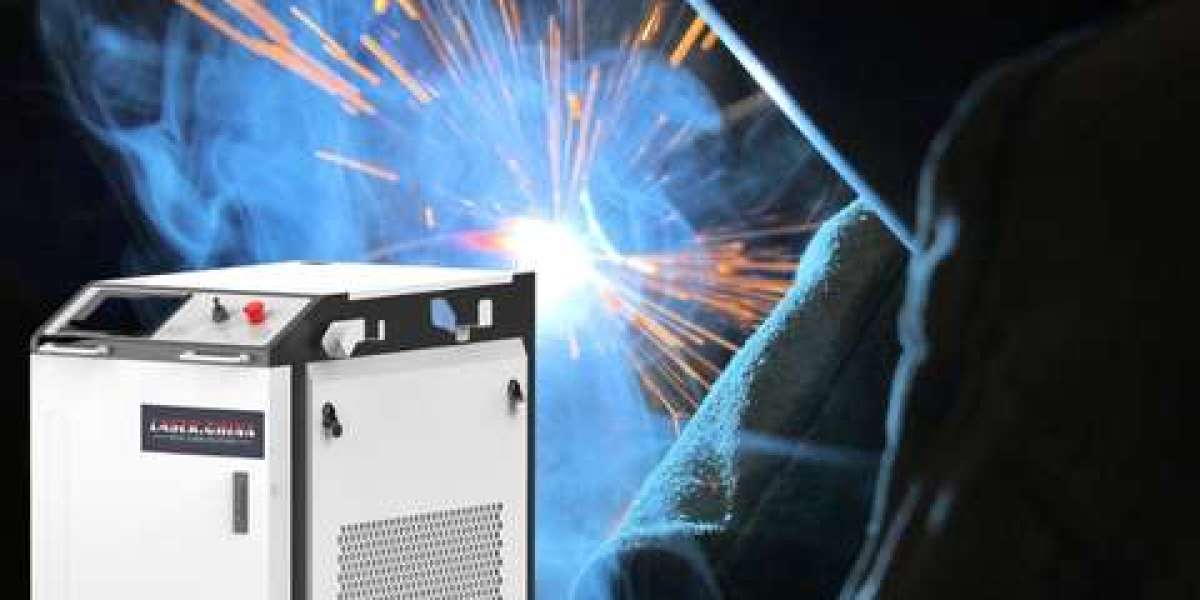
A laser welding system typically includes a laser source, welding head, control system, cooling unit, and protective equipment. Depending on the application, manufacturers can choose handheld equipment for flexible workshop operations or automated systems for high-volume production.
How the Process Works
The welding process begins with preparing the stainless steel surfaces. Dirt, oil, moisture, and other contaminants should be removed to support consistent weld quality. The workpieces are then aligned and secured to prevent movement during welding.
The operator selects suitable parameters, including laser power, welding speed, focus position, and shielding gas settings. The laser beam is directed along the joint, melting the metal and creating a weld pool. As the material solidifies, it forms a connection between the components.
For many applications, argon or another suitable shielding gas helps protect the molten metal from atmospheric contamination. Correct parameter selection is essential because excessive heat or unsuitable settings can cause discoloration, distortion, porosity, or incomplete fusion.
Choosing the Right Laser Welding Machine
Selecting the appropriate machine depends on the stainless steel grade, material thickness, joint design, production volume, and required finish. A handheld fiber laser welding machine may suit workshops that manufacture cabinets, metal frames, enclosures, and custom components.
Automated laser welding systems are often appropriate for industrial facilities that require repeatable results across large production runs. They can be integrated with robotic arms and production lines to maintain consistent welding paths and reduce manual handling.
Before purchasing equipment, consider the available laser power, welding head design, cooling requirements, control interface, service support, and compatibility with your existing workflow. Requesting sample welds on your actual material can help confirm whether a machine meets your production requirements.
Important Settings for Stainless Steel
Successful laser welding depends on balancing several operating parameters.
Laser power: The power must be appropriate for the material thickness and desired penetration. Too little energy can produce weak joints, while excessive energy may cause burn-through or unwanted surface changes.
Welding speed: Travel speed influences penetration, bead appearance, and heat input. The correct setting depends on the material, joint configuration, and machine capacity.
Focus position: Proper beam positioning helps concentrate energy where it is needed. Incorrect focusing may result in inconsistent weld depth or an irregular bead.
Shielding gas: Suitable shielding gas and flow settings help protect the weld area during processing. Gas selection should follow the material and application requirements.
Joint preparation: Clean surfaces and accurate alignment support stable welding conditions. Gaps between workpieces must remain within the machine's practical welding capability.
These parameters should be tested on sample pieces before production begins, particularly when working with thin sheets or demanding cosmetic applications.
Common Applications Across Industries
Laser welding stainless steel is used in a wide range of manufacturing environments. In food processing, it helps fabricate tanks, piping components, and stainless steel equipment where clean construction is important. In automotive production, it supports the assembly of selected exhaust components, brackets, and precision metal parts.
Manufacturers of kitchen equipment use laser welding for sinks, worktables, cabinets, and decorative stainless steel products. Medical equipment producers may also use specialized laser systems for small metal components, provided the process meets the required material, cleanliness, and validation standards.
In architectural fabrication, laser welding can help join panels, railings, and custom decorative structures. The appropriate welding method depends on the required appearance, structural performance, and applicable industry standards.
Maintaining Weld Quality and Equipment
Regular maintenance helps keep a laser welding system operating consistently. Operators should inspect the protective window, welding nozzle, cooling system, cables, and gas connections according to the manufacturer's instructions. Damaged optical components and contaminated protective windows can affect beam delivery and welding results.
Quality checks should include visual inspection and, where necessary, suitable testing for penetration, joint strength, leakage, or other application-specific requirements. Stainless steel parts intended for corrosive environments may need additional inspection and appropriate post-weld cleaning to remove heat tint and restore corrosion resistance.
Laser welding also requires strict safety procedures. Direct and reflected laser radiation can cause serious eye and skin injuries. Use a properly enclosed or risk-assessed laser work area, wavelength-appropriate protective equipment, suitable fume extraction, and trained operators. Never rely on ordinary safety glasses as a substitute for the protection specified for the laser system.
Final Thoughts
Laser welding stainless steel provides manufacturers with a precise joining method for producing components across many industries. Results depend on selecting suitable equipment, preparing materials correctly, optimizing welding parameters, and maintaining appropriate quality controls. Whether you operate a small fabrication workshop or a large manufacturing facility, evaluating the material thickness, production goals, and required weld quality will help you identify the right solution.
Investing in a suitable laser welding system can support efficient production and consistent fabrication when the process is properly configured. Work with an experienced equipment supplier to evaluate sample welds, confirm machine specifications, and choose a system that matches your stainless steel manufacturing needs.FiberLaserWelder