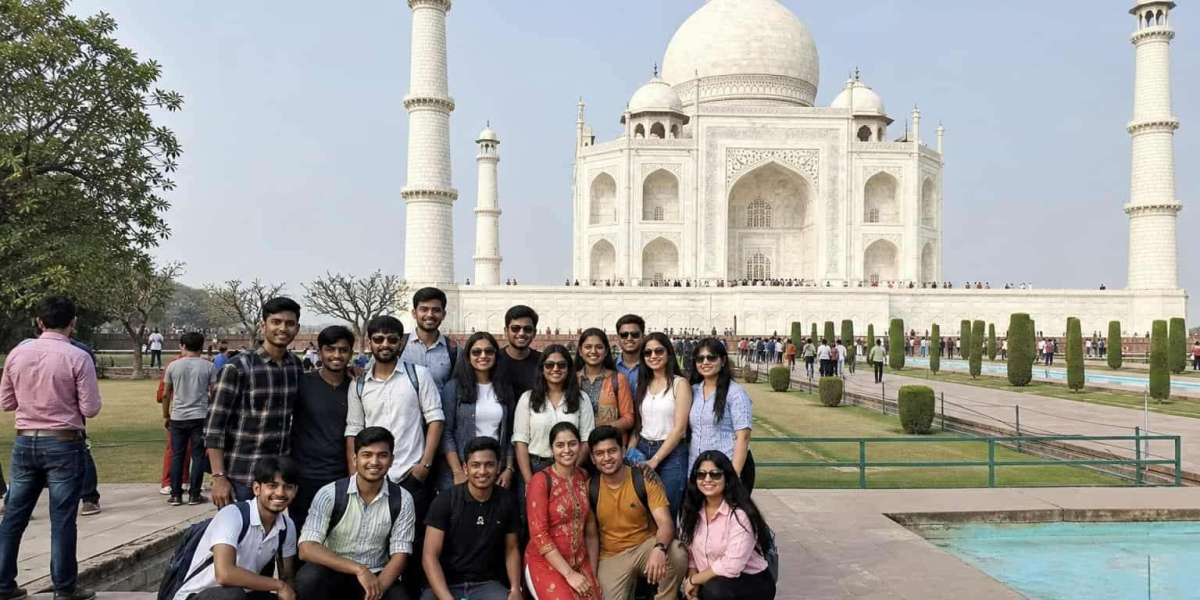
The Ultimate 4-Day Golden Triangle Tour: Delhi, Agra, and Jaipur
The Golden Triangle is the definitive introduction to India’s historical and architectural wealth. This route connects three of the most significant cities in the northern plains—Delhi, Agra, and Jaipur—forming a triangle on the map. Over four days, travelers can witness the transition from the bustling administrative hubs of the capital to the marble masterpieces of the Mughals and finally the desert forts of the Rajputs.
For those planning a journey through this iconic circuit, rajasthanplaces.com offers the necessary logistical insights to ensure a smooth transition between these distinct cultural landscapes.
Book your 4 days golden triangle tour now and make unforgettable memories.
Day 1: Navigating the History of Delhi
The tour commences in Delhi, a city that has served as the seat of power for multiple empires. The contrast between the old and the new defines the first day of the itinerary.
The Mughal Heart of Old Delhi
Jama Masjid: One of the largest mosques in India, this structure is a marvel of red sandstone and white marble.
Chandni Chowk: A walk or rickshaw ride through this historic market area reveals the commercial pulse of the city, unchanged in many ways for centuries.
The Red Fort: View the exterior of this massive fortification, which stood as the primary residence of Mughal emperors for nearly two centuries.
The Monuments of New Delhi
Qutub Minar: A 12th-century victory tower that marks the beginning of Muslim rule in India.
Humayun’s Tomb: A UNESCO World Heritage site that served as the architectural blueprint for the Taj Mahal.
India Gate: A solemn memorial dedicated to the soldiers of the British Indian Army, located at the end of the Rajpath.
Day 2: The Mughal Splendor of Agra
On the second day, the journey moves south toward Agra. The drive via the Yamuna Expressway is efficient, allowing for a full afternoon of exploration in the city that once served as the Mughal capital.
Agra Fort: A Palatial City
Before visiting the famous tomb across the river, explore the Agra Fort. This massive red sandstone fortress contains several significant structures:
Diwan-i-Aam: The hall where the emperor addressed the public.
Jahangiri Mahal: A palace showing the fusion of Hindu and Central Asian architectural styles.
Anguri Bagh: A geometric garden located in the heart of the residential quarters.
Sunset Perspectives
Concluding the day at the Mehtab Bagh gardens offers a unique perspective of the Taj Mahal. From across the Yamuna River, visitors can enjoy a quiet view of the monument as the sun sets, highlighting the perfect symmetry of the white marble structure.
Day 3: From Marble Marvels to Desert Gateways
The third day is a transition from the gardens of Agra to the rugged hills of Rajasthan.
The Taj Mahal at Dawn
The Taj Mahal is best experienced at sunrise. This 17th-century mausoleum, commissioned by Shah Jahan, is widely regarded as the finest example of Mughal architecture. The morning light reveals the intricate floral inlays and the calligraphy that adorns the walls.
The Deserted City: Fatehpur Sikri
During the drive to Jaipur, a stop at Fatehpur Sikri is essential. This short-lived capital of the Mughal Empire remains perfectly preserved. Key sites include:
Buland Darwaza: The "Gate of Magnificence," which stands as one of the tallest gateways in the world.
Panch Mahal: A five-story columnar pavilion designed for the royal ladies.
Day 4: The Royal Grandeur of Jaipur
The final day is spent in Jaipur, the "Pink City," known for its organized urban planning and vibrant Rajput culture.
Hilltop Forts and Landmarks
Amber Fort: Located high above the city, this fort is famous for its elaborate gates and the Sheesh Mahal (Mirror Palace), where the walls are decorated with thousands of tiny mirrors.
Hawa Mahal: The iconic "Palace of Winds" features a unique five-story exterior resembling a honeycomb, built to allow royal women to watch street processions.
Jal Mahal: A serene palace located in the middle of Man Sagar Lake.
Scientific and Royal History
City Palace: This complex features a museum with royal collections and continues to be the home of the Jaipur royal family.
Jantar Mantar: An astronomical observatory housing massive stone instruments that remain accurate to this day for tracking celestial movements.
Travel Planning and Logistics
Timing and Weather
The best months to undertake this tour are from October to March. The cool weather is ideal for visiting monuments that require significant walking. While the tour is available year-round, the summer months can be quite warm, requiring earlier start times to avoid the midday sun.
Route Management
A private vehicle is the most flexible way to manage this itinerary. The roads between Delhi, Agra, and Jaipur are well-maintained, but local traffic can vary. Using a reliable platform like rajasthanplaces.com can help in arranging professional drivers who are familiar with the routes and local customs.
Conclusion
The 4-day Golden Triangle Tour is a balanced journey through India’s past. It covers the most essential landmarks of three different cities, providing a deep understanding of the region’s history, from the 12th century through the colonial era to the present day. This itinerary ensures that travelers see the highlights without feeling rushed, making it the perfect choice for a short but comprehensive visit to North India.