
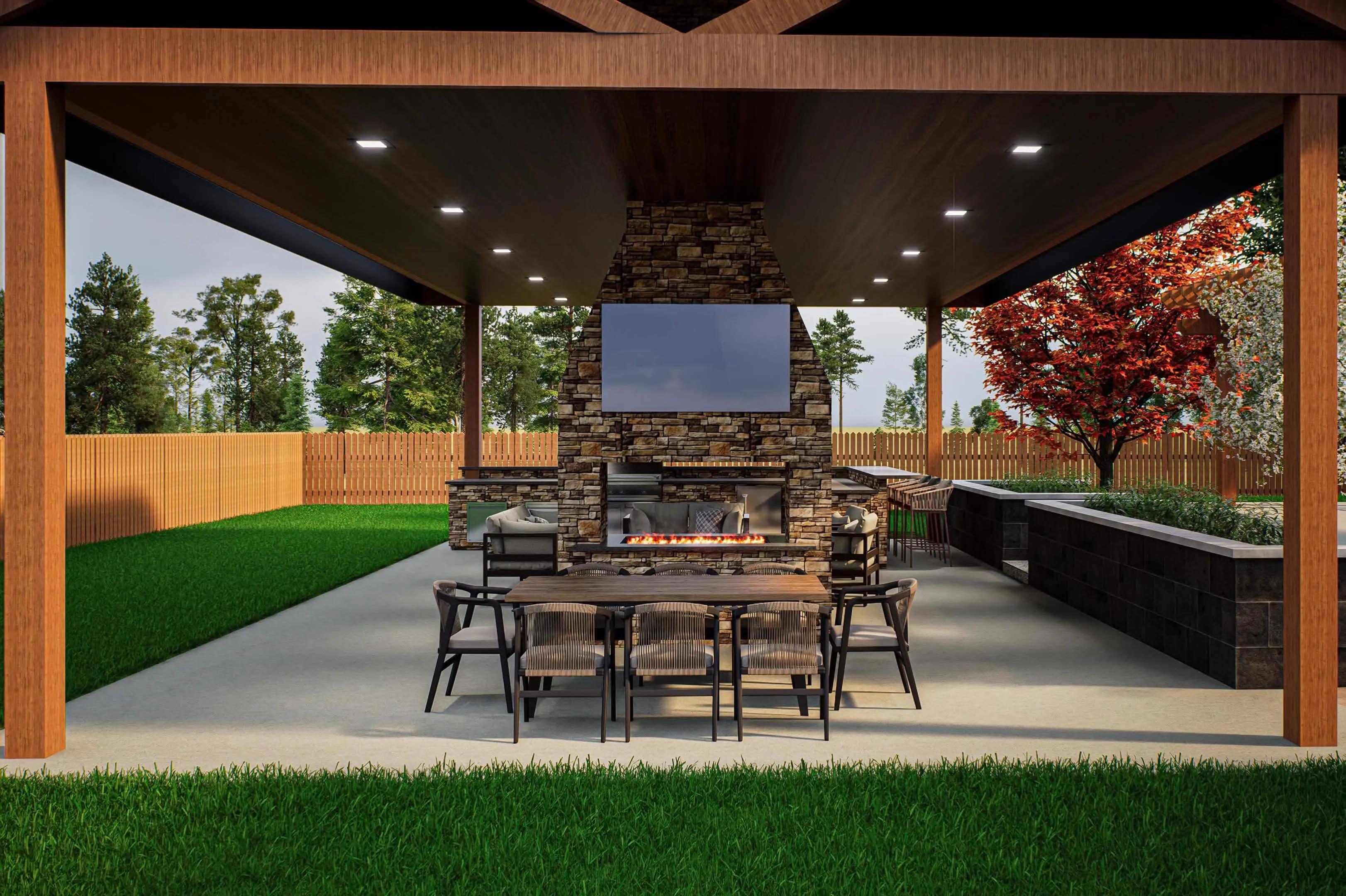
Create a Stunning and Functional Outdoor Space with Expert Landscaping and Retaining Walls in Tyler TX

A beautiful yard can change the way you enjoy your home. It provides a place to relax, spend time with family, welcome guests, and enjoy the outdoors. Whether you have a small front lawn or a spacious backyard, thoughtful landscaping can make the area more attractive and useful. Simple improvements, such as adding garden beds, installing a patio, or creating clear walkways, can bring new life to your property.
However, a successful landscaping project requires more than choosing attractive plants and materials. Soil conditions, sunlight, drainage, ground levels, and future maintenance all play an important role. Homeowners searching for a landscaping company in Tyler TX often want outdoor improvements that suit their property and daily needs.
Retaining walls can also make a significant difference, especially for properties with slopes or uneven ground. A retaining wall contractor in Tyler TX can assess the site and help determine the right approach for managing soil and creating more usable outdoor areas. With proper planning, these improvements can make your yard both attractive and practical.
Why Professional Landscaping Is Worth Considering
Landscaping brings different outdoor features together to create a balanced and organized environment. It includes lawns, trees, shrubs, flowers, walkways, patios, and other elements that contribute to the overall design.
A well planned landscape can improve curb appeal and make outdoor areas easier to use. It can also help address practical concerns, such as poor drainage, uneven surfaces, and areas where plants struggle to grow.
Improve the First Impression of Your Home
Your front yard is one of the first things people notice when approaching your property. A neat lawn, healthy plants, clean walkways, and attractive garden borders can make the entrance feel welcoming.
The design should match the appearance of your home. A modern property may look better with simple planting arrangements and clean lines, while a traditional home may suit natural stone borders, flowering shrubs, and curved garden beds.
Choosing the right amount of greenery is also important. Too many plants can make a small yard look crowded. A balanced arrangement creates a cleaner appearance and makes routine maintenance easier.
Make Your Backyard More Comfortable
A backyard should support the activities you enjoy. Some homeowners need open lawn space for children and pets, while others want a quiet seating area or a patio for outdoor dining.
A thoughtful landscape plan can create separate areas for different purposes. Walkways can connect the patio to the garden, while trees and shrubs can provide shade and help create privacy. Even a simple seating area can make an unused corner more enjoyable.
Landscaping Services That Transform Outdoor Areas
Every property has different needs. Some homeowners want a few improvements, while others plan a complete outdoor redesign. Understanding the available services can help you choose the right features for your yard.
Lawn Installation and Improvement
A healthy lawn gives a property a fresh and well maintained appearance. However, good grass growth depends on proper ground preparation. Uneven soil, compacted areas, and poor drainage can affect how well a new lawn develops.
Before installing grass, the area should be inspected and prepared. The grass type should also suit local weather, soil conditions, sunlight, and water availability. Once established, regular mowing and suitable watering help maintain its appearance.
Existing lawns may need additional care. Bare patches, weak growth, and uneven surfaces can sometimes be improved through soil preparation, reseeding, or other suitable lawn care methods.
Garden Beds and Plant Selection
Garden beds add color, texture, and natural beauty to outdoor spaces. They can be installed along walkways, around trees, near the entrance, or beside a patio.
Plant selection should consider the local environment. Tyler experiences warm summers and seasonal rainfall, so homeowners should choose plants that suit the area's growing conditions. Sunlight exposure, soil type, watering requirements, and the mature size of each plant should also be considered.
A combination of flowering plants, shrubs, trees, and ground cover can create a balanced design. Mulch can help cover exposed soil, reduce weed growth, and support moisture retention when applied correctly.
Patios and Outdoor Walkways
A patio creates a comfortable place to relax, enjoy meals, or spend time with guests. It can also connect indoor living areas with the garden, making the backyard more functional.
Concrete, pavers, and natural stone are common patio materials. Each offers a different appearance and has its own installation and maintenance requirements. The right option depends on your budget, design preferences, and how you plan to use the area.
Walkways improve access between different parts of the property. They can connect the front entrance, patio, garden beds, and other outdoor features. Proper ground preparation helps reduce the risk of uneven surfaces and water collection.
How Retaining Walls Improve Your Landscape
Sloped and uneven yards can be difficult to maintain. Soil may move downhill, planting areas may lose their shape, and some sections may not provide enough level space for outdoor activities. Retaining walls can help manage changes in ground level when they are properly designed and installed.
A retaining wall is a structure built to hold soil in place. It can create level planting areas, define different sections of a yard, and support certain landscape designs. The right wall can also complement the surrounding garden and become an attractive part of the property.
When Should You Consider a Retaining Wall?
A retaining wall may be useful when your property has a noticeable slope, signs of soil movement, or limited usable space. It can also help create raised garden beds and organize outdoor areas with different ground levels.
Common reasons homeowners consider retaining walls include:
-
Creating level areas for gardens and outdoor seating.
-
Managing soil movement on suitable slopes.
-
Defining raised planting beds.
-
Making uneven sections of the yard more useful.
-
Supporting landscape designs with different ground levels.
Not every sloped property requires a retaining wall. The right solution depends on the slope, soil conditions, drainage, wall height, and nearby structures. A professional site assessment can help determine whether a wall is suitable.
Choosing a Retaining Wall Contractor in Tyler TX
Retaining wall construction requires careful planning because the structure must support the pressure of the soil behind it. Water buildup can increase pressure and affect the wall's stability. Poor design or installation may lead to cracks, leaning, or movement.
When selecting a retaining wall contractor in Tyler TX, homeowners should look for someone who understands site preparation, material selection, drainage, and construction requirements. A professional should also be able to explain the proposed work clearly.
Selecting Suitable Retaining Wall Materials
Different materials offer different appearances and construction options. Concrete blocks are commonly used because they come in various sizes, shapes, and finishes. Natural stone creates a traditional appearance that can blend with garden surroundings. Poured concrete may be suitable for projects that require a more uniform finish.
The right material depends on the wall's height, purpose, location, soil conditions, and budget. Discussing these details before construction can help you choose an option that suits the property.
Why Proper Drainage Is Essential
Drainage is one of the most important parts of retaining wall construction. When water collects behind a wall, it can create additional pressure against the structure. Over time, this may contribute to movement or damage.
Depending on the site and design, drainage measures may include gravel, drainage pipes, and suitable outlets. These features help direct water away from the wall and reduce the risk of water buildup.
Homeowners should ask how drainage will be handled before approving the project. The solution should match the property's specific conditions.
Planning a Landscaping Project Successfully
Good planning can help prevent unnecessary expenses and unexpected changes. Start by identifying the main improvements you want. You may want to improve curb appeal, create more backyard space, install a patio, or manage a sloped area.
It is also important to consider the order of work. Drainage and ground preparation should be addressed before installing features that may be affected by future construction.
Establish a Realistic Budget
Your budget should include materials, preparation, installation, and future maintenance. Ask for a written estimate that explains the proposed work and what is included.
If you have several improvements in mind, consider completing them in stages. Essential work can come first, followed by garden beds, patios, lighting, and other decorative features.
Questions to Discuss Before Hiring
Before choosing a landscaping professional, discuss the project in detail. Consider asking:
-
What preparation does the property need?
-
Which plants and materials are suitable for the site?
-
How will drainage and uneven ground be managed?
-
What services are included in the estimate?
-
What maintenance will be required after installation?
Clear communication helps you understand the proposed work and establish realistic expectations.
Maintaining Your Landscape and Retaining Wall
Regular maintenance helps outdoor improvements remain attractive and functional. Lawns need suitable mowing and watering, while garden beds may require pruning, weeding, and fresh mulch. Patios and walkways should be checked for loose materials, uneven areas, and water buildup.
Retaining walls also need periodic inspections. Look for unusual cracks, leaning, soil movement, or changes in drainage. Keep drainage outlets clear and contact a qualified professional if you notice signs of damage.
Seasonal care is equally important. During hot weather, plants may need closer attention to watering. After heavy rainfall, observe how water moves through the yard. Removing dead plant material and trimming overgrown shrubs can help maintain a neat appearance.
Conclusion
A well planned outdoor space can improve your home's appearance, comfort, and everyday use. From lawn installation and garden design to patios and retaining walls, every improvement should suit the property's layout, soil conditions, and long term needs. Choosing a dependable landscaping company in Tyler TX can help bring these features together, while a qualified retaining wall contractor in Tyler TX can help manage sloped areas through careful planning and construction.
For homeowners considering outdoor improvements, Breaking Groud Outdoor is an option to explore when discussing landscaping and retaining wall projects. Reviewing your goals, comparing suitable materials, and understanding the proposed work can help you create an outdoor area that is attractive, practical, and easier to maintain.


