
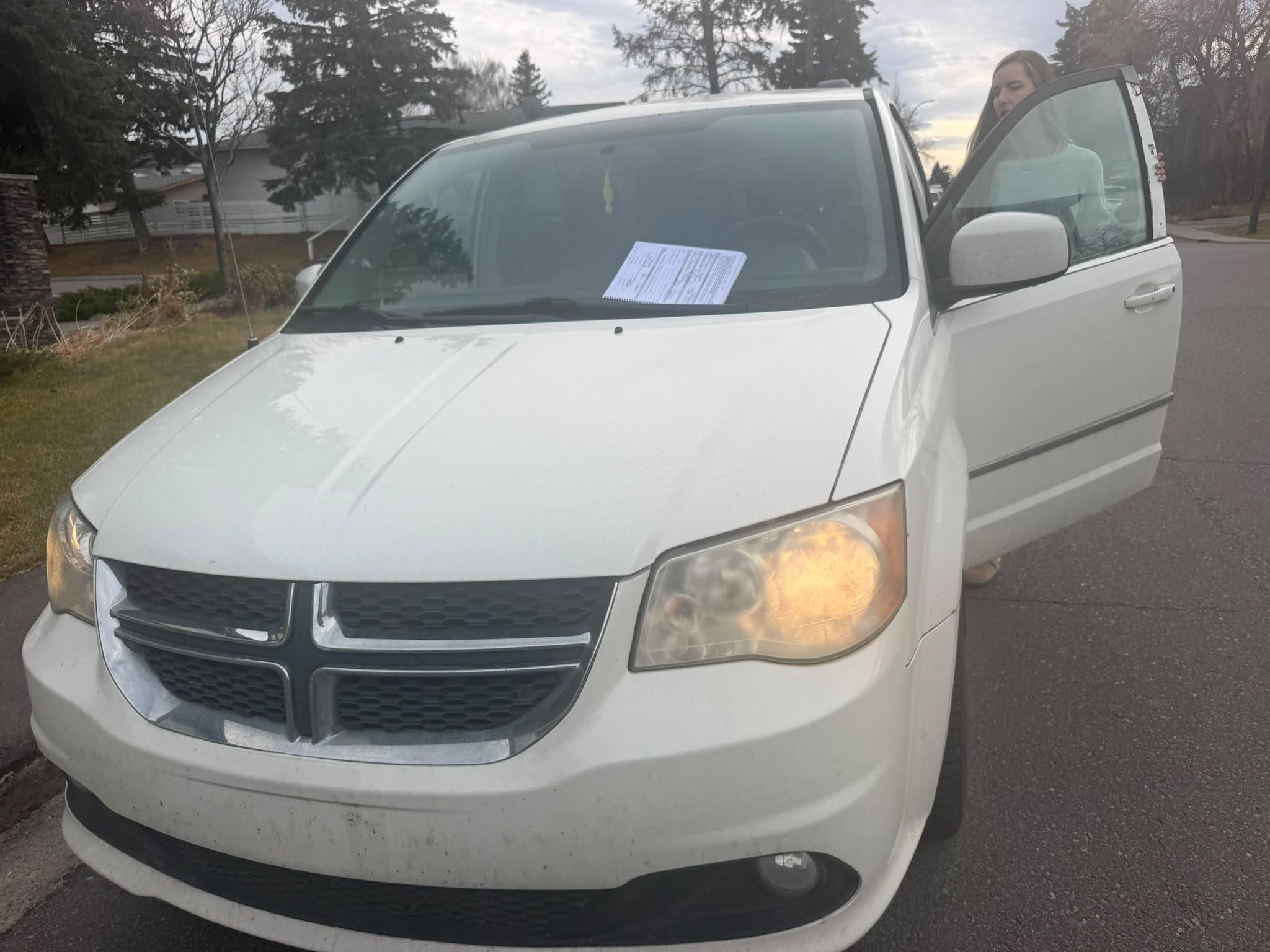
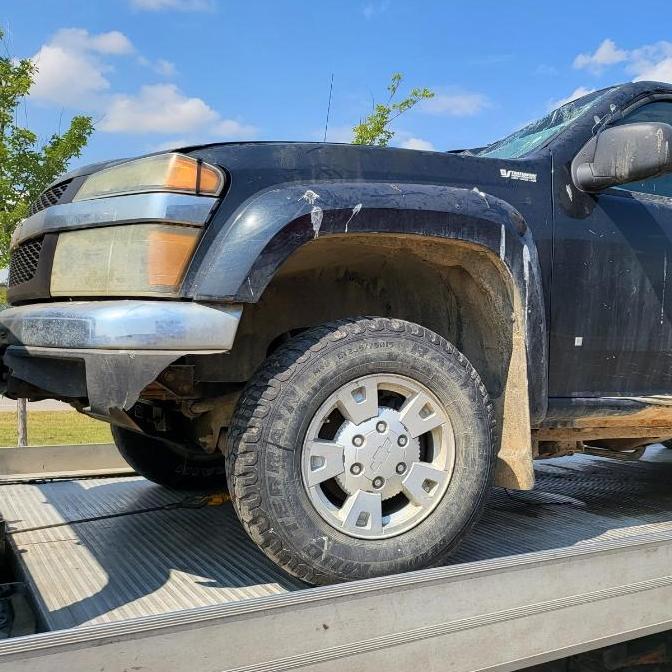
You've arrived in Calgary, found a place to live and started work or school. Soon you realize how spread out the city is, and how cold the winters get. For many newcomers, a car becomes a priority. But buying, licensing, insuring and maintaining a vehicle here comes with rules and costs that may be very different from home. This guide covers the essentials: licences, registration, insurance, choosing a first car, surviving your first winter, and knowing when a cheap car has become a money pit.
Step 1: Get Your Alberta Driver's Licence
If you're living in Alberta permanently, you must exchange your current driver's licence for an Alberta licence within 90 days of becoming a resident. This applies even if you travel outside Alberta during those 90 days.
-
From another Canadian province: you can usually exchange your licence for an equivalent Alberta class.
-
From a country with an exchange agreement: you may be able to exchange it without taking a knowledge or road test. Alberta publishes the list of recognized countries.
-
From other countries: you'll likely go through Alberta's standard testing and graduated licensing process.
You'll exchange your licence at a registry agent, which is where most driver and vehicle services happen in Alberta. Bring proof of identity, Alberta residence and your legal status in Canada.
Step 2: Understand Registration and Insurance
In Alberta, a vehicle on a public road must have valid insurance and a registration certificate. You need proof of insurance before a registry agent will register a vehicle.
If you brought a car from another province
New residents have 90 days to register their vehicle in Alberta. Vehicles from outside Alberta usually need to pass an out-of-province inspection first. Some vehicles from British Columbia, Saskatchewan and Manitoba may qualify for exemptions.
Insurance tips for newcomers
-
Get insurance quotes before you buy a car. Rates vary a lot by vehicle and driver.
-
Bring proof of your driving history from home, such as a letter from your previous insurer. Some insurers will consider it.
-
Ask about discounts for winter tires, bundling with tenant insurance, or completing a driver education course.
Step 3: Choose Your First Car Wisely
The cheapest car to buy isn't always the cheapest to own. Before you buy, check:
|
Check |
Why it matters |
|---|---|
|
Vehicle Information Report |
Shows the car's Alberta registration history and any registered liens |
|
Independent mechanical inspection |
Finds problems the seller may not mention |
|
Rust underneath |
Road salt causes serious rust on older vehicles |
|
Insurance quote for that model |
Some vehicles cost much more to insure |
|
Bill of sale |
You need it to register the car in your name |
Be careful with very cheap cars sold online. A low price can hide a lien, rust, or a mechanical problem that costs more than the car.
Step 4: Survive Your First Calgary Winter
Winter is where many newcomers learn hard lessons about cars. Prepare in the fall:
-
Winter tires. They make a big difference on snow and ice, and some insurers offer a discount.
-
Block heater. Most cars in Alberta have one. The Alberta Motor Association recommends plugging in your vehicle when it's -15°C or colder.
-
Battery test. Cold weather kills weak batteries. Many parts stores test them for free.
-
Emergency kit. Blanket, warm clothes, flashlight, booster cables, a small shovel and snacks.
-
Scraper and brush. Clear all windows and lights before driving. It's a safety issue, and police can ticket for it.
Step 5: Know When a Cheap Car Becomes a Money Pit
Many newcomers start with an older, inexpensive car. That's sensible, until the repair bills start stacking up. Watch for these signs:
-
Repairs in the last year add up to more than the car is worth
-
The mechanic finds structural rust
-
Major repairs are needed on the engine or transmission
-
The car won't start reliably in cold weather, even with a new battery
-
You no longer trust it for highway or winter driving
When that happens, more repairs usually aren't the answer. Selling the car as it is and putting the money toward something more reliable often makes more sense. Local buyers like Maple Cash for Cars buy cars that don't run or need major repairs, tow them for free and pay on the spot.
Step 6: When You Sell, Do the Paperwork Right
-
Bill of sale: include the date, VIN, price and both signatures. Keep a copy.
-
Licence plates: in Alberta, plates stay with the owner, not the car. Remove them before the car leaves.
-
Registration and insurance: cancel or transfer them at a registry agent and with your insurer.
Your Newcomer Car Checklist
-
☐ Alberta driver's licence within 90 days
-
☐ Insurance quotes before buying
-
☐ Vehicle Information Report and mechanical inspection before buying
-
☐ Registration with proof of insurance
-
☐ Winter tires, block heater cord and battery test before November
-
☐ Emergency kit in the trunk
-
☐ A repair budget, and a limit for when to sell instead of repair
Frequently Asked Questions
How long can I drive in Alberta with a licence from another country?
If you're a new permanent resident, you must exchange your licence within 90 days of becoming a resident. Whether you need to take tests depends on where your licence is from. Check Alberta's list of recognized jurisdictions or ask a registry agent.
Do I need insurance before registering a car in Alberta?
Yes. Vehicles on public roads in Alberta must have valid insurance and registration, and you need proof of insurance to register a vehicle.
What should I do with an old car that keeps breaking down?
Compare the repair costs with what the car is worth. If repairs keep adding up, or the car has major problems like a failing transmission or serious rust, selling it as is and buying something more reliable is often the better choice.
Welcome to Calgary, and Drive Smart
Owning a car in Calgary gives you a lot of freedom, especially once winter arrives. Get your licence sorted early, insure before you buy, prepare for the cold and set a limit on how much you'll spend keeping an old car going. Those few steps will save you money and stress in your first years here.


