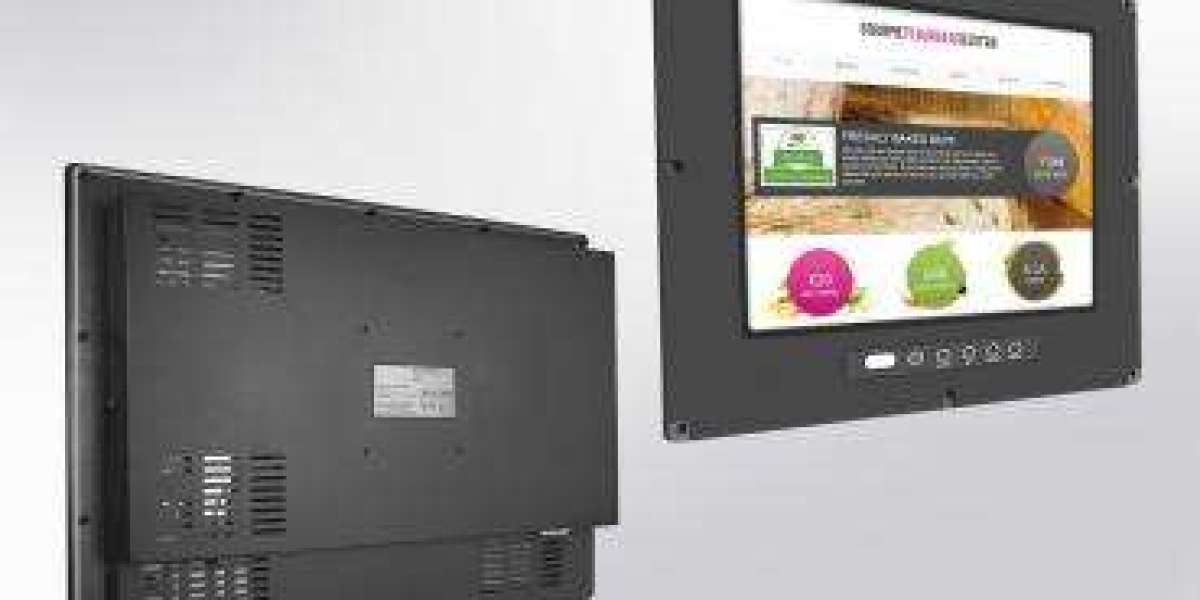
Germany is globally recognized for its precision-driven manufacturing sector, powered by advanced automation and smart factory initiatives. As part of this transformation, 21.5 inch industrial monitors have become a preferred choice for Human Machine Interface (HMI) systems across production floors.
If you’re looking to buy a 21.5 inch industrial monitor in Germany, this guide will help you understand what to look for, ensuring you invest in a solution that delivers performance, durability, and long-term value.
Why 21.5 Inch Industrial Monitors Are Ideal for Manufacturing
A 21.5 inch display offers the perfect balance between screen visibility and integration flexibility. It is widely used in German manufacturing environments because it:
- Provides Full HD (1920×1080) clarity for detailed data visualization
- Supports real-time monitoring of machines and processes
- Fits easily into control panels and industrial workstations
- Enhances operator productivity with better UI interaction
From automotive production lines to precision engineering units, this screen size supports efficient operations.
Key Features to Consider Before Buying
- Industrial-Grade Build Quality
German manufacturing environments demand highly durable equipment. Look for:
- Robust metal or aluminum housing
- Resistance to shock, vibration, and dust
- Wide operating temperature range
A rugged build ensures long-term reliability and reduced downtime.
- High-Resolution and Brightness
Clarity is critical in industrial settings where operators rely on accurate data.
Choose monitors with:
- Full HD resolution (1920×1080)
- Brightness levels from 250 nits (indoor) to 1000+ nits (outdoor)
- Anti-glare screens for factory lighting conditions
High visibility improves decision-making and reduces operational errors.
- Touchscreen Functionality
Touch capability is essential for modern HMI systems.
Options include:
- Resistive touch – Works with gloves, ideal for heavy-duty environments
- Capacitive touch – Multi-touch support, better for advanced interfaces
German factories often prefer capacitive touch for Industry 4.0 applications.
- IP Protection for Harsh Environments
Manufacturing facilities often involve dust, moisture, or washdowns.
Look for:
- IP65 front protection (minimum)
- Higher IP ratings for extreme conditions
This ensures the monitor continues performing even in demanding environments.
- Connectivity and Integration
Seamless integration with industrial systems is crucial.
Ensure support for:
- HDMI, VGA, or DisplayPort
- USB for peripherals
- RS232/RS485 for legacy systems
- Ethernet for network connectivity
Compatibility with PLCs and SCADA systems is a must for German manufacturing setups.
- Mounting Flexibility
Different production environments require different installation methods.
Common options:
- Panel mount (most common in control cabinets)
- Flush mount (clean integration)
- VESA mount (flexible positioning)
Choose based on your workspace and system design.
- Fanless Design for Reliability
Dust and debris are common in industrial environments.
Fanless monitors offer:
- Silent operation
- Reduced maintenance
- Longer lifespan
This is a key requirement in many German factories focused on efficiency.
- Long-Term Availability and Support
German companies prioritize long-term planning and system stability.
Before purchasing, check:
- Product lifecycle (5–10 years availability)
- Spare parts support
- Warranty and technical service in Europe
Reliable support ensures minimal disruption in operations.
Applications in German Manufacturing
21.5 inch industrial monitors are widely used in:
- Automotive manufacturing lines
- CNC machining and precision engineering
- Factory automation and robotics
- Packaging and assembly units
- Quality control and inspection systems
They act as the central interface between operators and machines, improving efficiency and control.
Cost vs Value: What German Buyers Should Consider
While price is important, German manufacturing companies typically focus on total cost of ownership (TCO) rather than upfront cost.
A high-quality industrial monitor may cost more initially but offers:
- Lower maintenance costs
- Reduced downtime
- Longer operational lifespan
- Better ROI over time
Investing in a reliable solution aligns with Germany’s reputation for quality and engineering excellence.
Final Thoughts: Choose Smart, Invest Better
Buying a 21.5 inch industrial monitor in Germany is not just a purchase—it’s a strategic decision that impacts your production efficiency and operational reliability.
Focus on:
- Build quality and durability
- Display performance
- Integration capabilities
- Long-term support
A well-chosen industrial monitor will support your manufacturing processes today while preparing your operations for future growth.
Read More: https://tecsysproductguides.blogspot.com/2026/03/industrial-buying-guide-215-inch.html