An upper gastrointestinal (GI) surgeon in the UK is a highly trained specialist who diagnoses and treats conditions affecting the upper part of the digestive system. This includes the oesophagus (food pipe), stomach, and the first part of the small intestine (duodenum). These surgeons play a crucial role in managing both common and complex digestive disorders using advanced surgical techniques and evidence-based care.
The UK is known for its world-class healthcare system, where upper GI surgeons work within the National Health Service (NHS) and private hospitals. Patients benefit from highly qualified specialists, modern operating facilities, and access to cutting-edge treatments designed to improve outcomes and recovery times.
Upper GI surgeons treat a wide range of conditions. These include acid reflux disease (GORD), stomach ulcers, gallbladder disease, oesophageal cancer, stomach cancer, and severe swallowing difficulties. They also manage complications from obesity through bariatric (weight loss) surgery, such as gastric bypass and sleeve gastrectomy, which have become increasingly common in the UK.
One of the key areas of expertise for upper GI surgeons is cancer treatment. Early detection and surgical intervention for oesophageal and stomach cancers significantly improve survival rates. Surgeons often work as part of a multidisciplinary team that includes oncologists, radiologists, and gastroenterologists to provide comprehensive care tailored to each patient.
In addition to cancer surgery, upper GI surgeons frequently perform procedures to treat chronic acid reflux that does not respond to medication. One common operation is fundoplication, where the top of the stomach is wrapped around the lower oesophagus to prevent acid from rising. This procedure helps relieve symptoms such as heartburn and regurgitation.
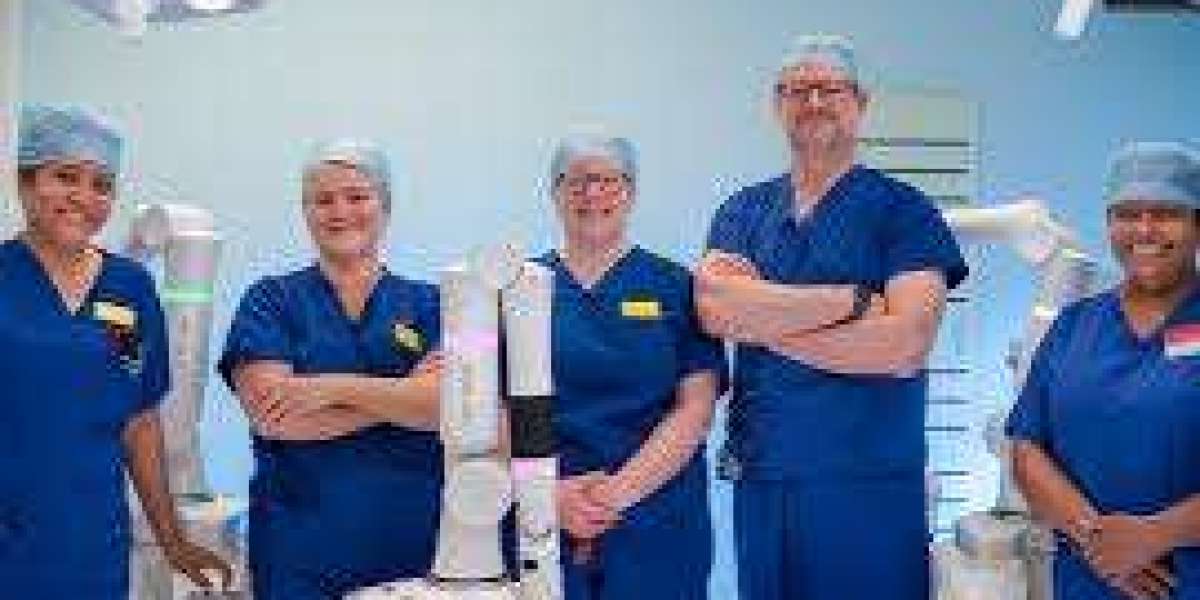
Minimally invasive surgery, particularly laparoscopic (keyhole) techniques, is widely used by upper GI surgeons in the UK. These procedures involve small incisions, a camera, and specialized instruments to perform surgery with greater precision. The benefits include reduced pain, shorter hospital stays, minimal scarring, and faster recovery compared to traditional open surgery.
Before surgery, patients undergo thorough diagnostic testing, which may include endoscopy, CT scans, MRI scans, and blood tests. These investigations help surgeons determine the exact nature of the condition and plan the most effective treatment approach.
Recovery after upper GI surgery varies depending on the type of procedure performed. Many patients are able to return home within a few days following minimally invasive surgery, while more complex operations may require a longer hospital stay. Surgeons provide detailed aftercare instructions, including dietary changes, wound care, and follow-up appointments to monitor healing.
The UK healthcare system ensures that patients receive high standards of care regardless of whether they are treated through the NHS or privately. NHS services provide access based on medical need, while private healthcare offers faster access to consultations and surgery.
Overall, upper GI surgeons in the UK are essential specialists who provide life-saving and life-improving treatments for a wide range of digestive conditions. With advanced surgical techniques, modern medical technology, and a strong focus on patient care, they play a key role in maintaining digestive health and improving quality of life for patients across the country.