Introduction
The Indian market offers incredible growth opportunities for global manufacturers, but entering it requires strict compliance with Indian safety and quality standards. One of the most important certification systems for overseas manufacturers is the BIS FMCS, a mandatory pathway for certain products being exported to India.
This comprehensive guide explains what BIS FMCS Certification means, why it is essential, and the detailed steps involved in obtaining BIS Certification for Foreign Manufacturer. If you are an international manufacturer looking to export regulated products to India, this guide will help you understand the entire process clearly and confidently.
What Is BIS FMCS?
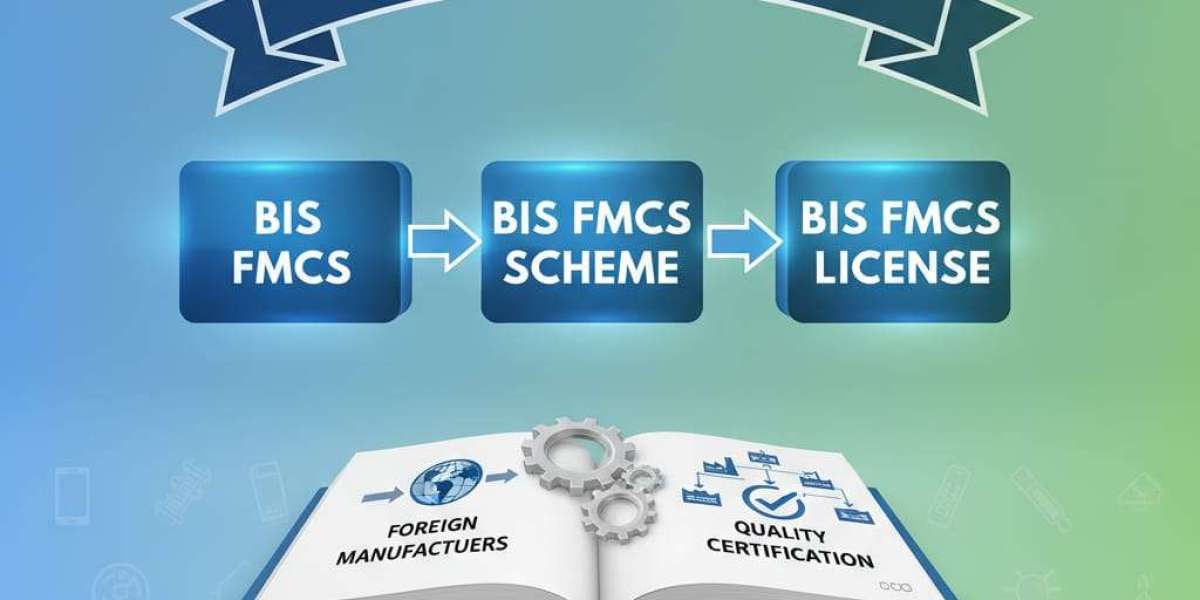
The Foreign Manufacturers Certification Scheme (FMCS) is a certification framework operated by the Bureau of Indian Standards (BIS). It is specifically designed for foreign manufacturers that produce goods outside India but wish to sell them within the Indian market.
Under the BIS FMCS scheme, foreign manufacturers can obtain a BIS license to use the ISI mark on their products. The ISI mark is a symbol of trust and compliance with Indian quality and safety standards.
Products generally covered under the scheme include:
- Cement
- Steel bars and products
- Electrical appliances
- Automotive components
- Chemical products
- Household equipment
Any foreign manufacturer whose product falls under the mandatory ISI scheme must obtain BIS FMCS Certification before exporting goods to India.
Why BIS FMCS Certification Is Crucial
Achieving BIS FMCS Certification is not optional for many product categories — it is a mandatory requirement under Indian law. Here’s why it matters:
✔ Legal Authorization
Without certification, products may be rejected at Indian ports.
✔ Safety & Quality Assurance
Certified products demonstrate compliance with Indian safety standards.
✔ Stronger Brand Credibility
The ISI mark increases consumer trust and improves brand image.
✔ Smooth Market Entry
Retailers, distributors, and importers prefer BIS-certified products.
✔ Access to India’s Expanding Market
Certification opens doors to millions of potential customers.
Understanding BIS Certification for Foreign Manufacturer
BIS Certification for Foreign Manufacturer is a structured approval system designed to evaluate:
- The product
- The manufacturing process
- The factory’s quality control mechanism
- Compliance capability with Indian Standards
Only manufacturers — not traders, agents, or importers — can apply for a BIS license under FMCS.
For foreign manufacturers, one mandatory requirement is appointing an Authorized Indian Representative (AIR) who acts as the point of contact with BIS in India.
Complete BIS FMCS Certification Process (Step-by-Step)
Let’s explore the end-to-end certification process for BIS FMCS Certification:
Step 1: Identify the Applicable Indian Standard (IS Code)
Each product has a specific IS code. The first step is identifying the exact standard your product must comply with.
Step 2: Check Whether the Product Falls Under ISI Mandatory List
Not all products require an ISI mark, but many industrial, steel, chemical, and electrical categories do.
Step 3: Appoint an Authorized Indian Representative (AIR)
This representative is required for:
- Documentation assistance
- Communication with BIS
- Legal responsibility in India
The AIR must be reliable and experienced.
Step 4: Prepare All Required Documents
Common documentation includes:
- Manufacturing license
- Product details
- Raw material data
- ISO certification
- Factory layout
- Equipment list
- Quality control procedure documents
- Test reports
Any inaccuracies may cause delays.
Step 5: Product Testing in BIS-Approved Laboratory
Testing is a central part of the BIS Certification for Foreign Manufacturer. Products must undergo laboratory testing only in BIS-recognized labs.
The laboratory will issue a detailed test report based on Indian Standards.
Step 6: Submit BIS FMCS Application
The application includes:
- Test report
- Documents
- Fee payment
- Manufacturing details
BIS reviews all submissions thoroughly.
Step 7: Factory Inspection by BIS Officers
A BIS officer travels to the foreign manufacturing site to inspect:
- Machinery
- Production process
- Raw materials
- Internal testing equipment
- Quality assurance practices
- Staff competency
The inspection ensures the product can be consistently manufactured as per Indian Standards.
Step 8: Grant of BIS FMCS Certification
Once the inspection and test results meet BIS requirements, the license is granted. The manufacturer can now use the ISI mark on certified products.
The certificate is typically valid for 1–2 years, depending on the product category and compliance level.
BIS FMCS Certification Timeline
The certification process typically takes:
- Documentation: 1–2 weeks
- Testing: 2–4 weeks
- Factory inspection scheduling: 2–3 weeks
- Final approval: 2–4 weeks
Overall timeline: 8–12 weeks, depending on product and region.
BIS FMCS Certification Cost
The cost includes:
- Application fees
- Product testing fees
- License fees
- Inspection charges
- AIR appointment cost
- BIS officer travel expenses
Costs vary based on product type and testing requirements.
Tips for Faster BIS Certification for Foreign Manufacturer
- Ensure your factory is fully inspection-ready
- Prepare documentation with accuracy
- Use BIS-approved testing labs only
- Maintain proper QC processes
- Work with experts familiar with FMCS guidelines
Conclusion
Expanding into the Indian market becomes much easier and more successful with proper BIS FMCS, BIS FMCS Certification, and BIS Certification for Foreign Manufacturer. While the process may seem complex, the benefits — from market trust to legal compliance — make certification essential for long-term success.
For complete BIS FMCS consultancy and certification support, visit sunconsultants.co.in.