In today’s digital era, fast and reliable communication is essential for both businesses and individuals. From video conferencing and cloud computing to online gaming and large-scale data transfer, everything depends on strong network performance. Traditional copper-based systems are no longer sufficient to meet these growing demands.
This is where high-speed fiber optics solutions are transforming global connectivity by delivering ultra-fast, stable, and secure data transmission using light-based technology. These solutions have become the backbone of modern communication networks, enabling seamless digital experiences across industries.
What Are Fiber Optics Solutions?
Fiber optic solutions refer to communication systems that transmit data using light signals through thin strands of glass or plastic fibers. Unlike traditional electrical signals used in copper cables, light-based transmission allows significantly faster speeds and greater efficiency.
These systems are widely used in internet infrastructure, telecommunications, enterprise networks, and cloud data centers. They are designed to handle large volumes of data while maintaining high performance over long distances.
Fiber optics form the foundation of modern high-speed communication, making them essential for today’s connected world.
How High-Speed Fiber Optics Work
Fiber optic technology works by converting electrical signals into light pulses that travel through fiber strands. These pulses move at extremely high speeds, allowing data to be transmitted quickly and efficiently.
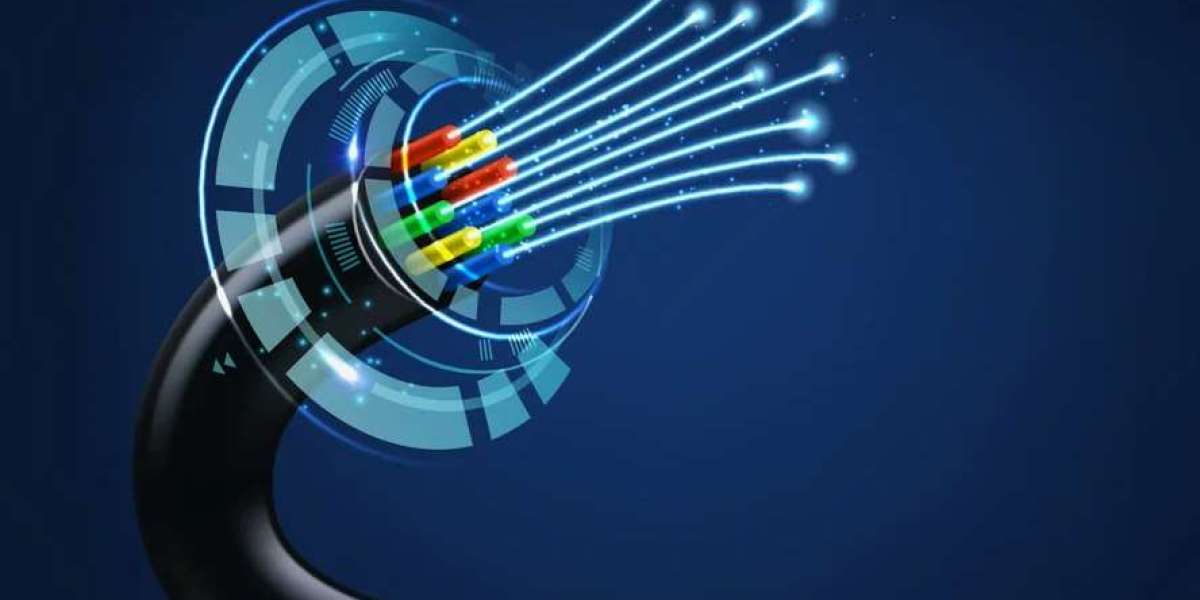
The structure of fiber cables includes a core, cladding, and protective layers. The core carries the light signal, while the cladding reflects it to prevent signal loss. This design ensures minimal interference and consistent performance.
Because light signals travel with very low resistance, fiber optics can support much higher bandwidth compared to traditional copper networks.
Key Benefits of High-Speed Fiber Optics
One of the biggest advantages of fiber optics is speed. These systems support extremely fast data transmission, making them ideal for high-demand applications such as streaming, cloud computing, and real-time communication.
Low latency is another major benefit. Fiber optics reduce delays in data transfer, which improves performance for online gaming, video calls, and financial transactions.
Reliability is also a key strength. Fiber optic cables are less affected by weather, electromagnetic interference, or signal degradation, ensuring stable connectivity at all times.
Security is another important factor. Fiber optic systems are harder to tap into compared to traditional cables, making them a safer option for sensitive data transmission.
Applications Across Modern Industries
Fiber optic solutions are used in almost every major industry today. In telecommunications, they power high-speed internet, mobile networks, and television services.
In business environments, fiber optics support cloud computing, data storage, and enterprise communication systems. They allow companies to manage large amounts of data efficiently and securely.
Healthcare systems use fiber optics for advanced imaging, telemedicine, and real-time patient monitoring. Educational institutions rely on them for online learning platforms and virtual classrooms.
Even smart cities depend on fiber optic infrastructure to manage traffic systems, security networks, and IoT devices.
Role in Data Centers and Cloud Computing
Data centers are one of the largest users of fiber optic technology. These facilities handle massive volumes of digital data and require extremely fast and reliable connections.
Fiber optics enable data centers to transfer information between servers, storage systems, and networks with minimal delay. This improves overall performance and reduces downtime.
Cloud computing also depends heavily on fiber optic infrastructure. It allows users to access data and applications from anywhere in the world with high speed and stability.
As demand for digital services continues to grow, fiber optics will remain essential for supporting global cloud infrastructure.
Installation and Infrastructure Development
Installing fiber optic systems requires careful planning and specialized expertise. Cables can be installed underground, overhead, or within existing network structures.
Although installation may require initial investment, the long-term benefits far outweigh the costs. Once deployed, fiber optic systems require minimal maintenance and offer long-lasting performance.
Many governments and private companies are investing heavily in fiber infrastructure to support digital transformation and improve connectivity across regions.
Challenges in Fiber Optic Deployment
Despite their advantages, fiber optic solutions also come with challenges. Installation costs can be higher compared to traditional systems, especially in remote or rural areas.
The installation process also requires skilled technicians and specialized tools to ensure proper setup and performance.
However, ongoing technological advancements are making fiber deployment more efficient and cost-effective over time.
Future of Fiber Optic Technology
The future of communication is closely linked to fiber optic technology. With the rise of 5G, artificial intelligence, and cloud-based systems, the demand for high-speed networks will continue to increase.
Future fiber optic systems are expected to offer even higher speeds, greater bandwidth, and improved scalability. These advancements will further enhance global connectivity and digital innovation.
Fiber optics will continue to serve as the foundation for next-generation communication networks.
Choosing the Right Fiber Optic Solution
Selecting the right fiber optic solution depends on usage requirements, network size, and performance expectations. Residential users may prioritize speed and reliability, while businesses may focus on scalability and security.
Working with experienced providers ensures proper installation, configuration, and long-term support. This helps maximize network efficiency and performance.
Final Thoughts
Investing in high-speed fiber optics solutions is essential for achieving fast, reliable, and secure connectivity in today’s digital world. These systems support everything from everyday internet use to advanced enterprise operations.
With unmatched speed, low latency, and high reliability, fiber optics continue to shape the future of global communication. As technology evolves, they will remain a critical part of modern digital infrastructure.