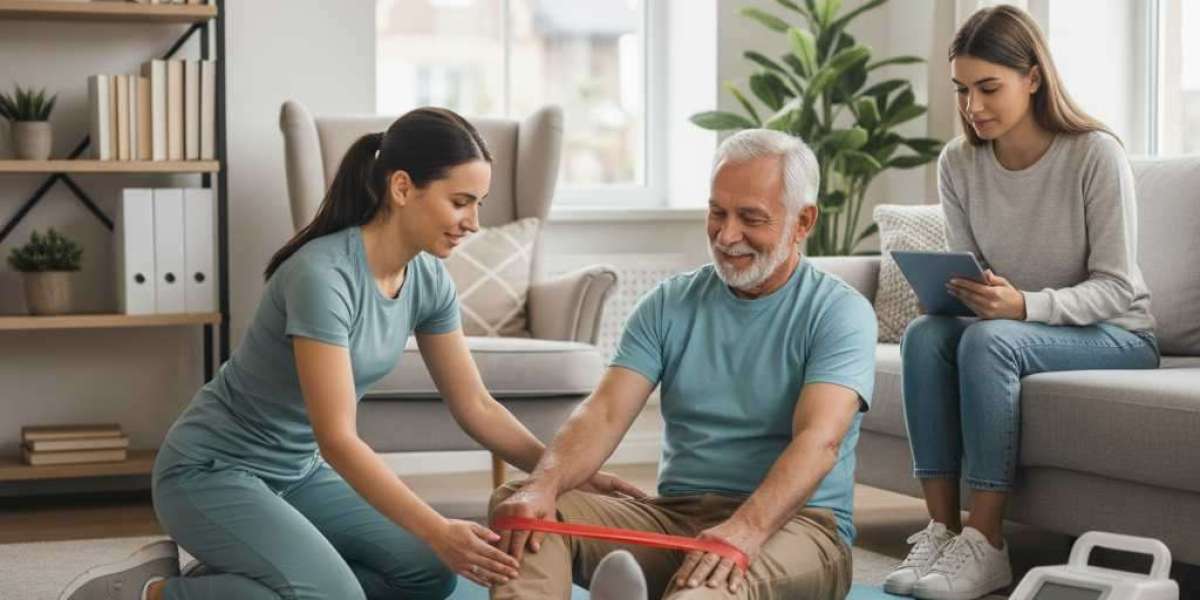
Physiotherapy at home sounds almost too good to be true. No traffic, no crowded clinics, no waiting rooms, and no squeezing appointments between work and family. Instead, a licensed physiotherapist comes straight to your home, ready to help you recover where you feel most comfortable.
But here’s the honest question people keep asking: do physiotherapy at home services actually work, or is this just another healthcare buzzword? Let’s talk about facts, real experiences, and practical outcomes.
Understanding Physiotherapy at Home Services
What Home Physiotherapy Actually Means
Physiotherapy at home services involve professional rehabilitation sessions conducted at a patient’s residence rather than a hospital or clinic. These sessions are fully customized based on the patient’s condition, daily routine, and living environment. Instead of adapting yourself to a clinic setup, the therapy adapts to you.
Who Provides These Services
Home physiotherapy is delivered by licensed and trained physiotherapists. Many are affiliated with hospitals, rehabilitation centers, or specialized home healthcare platforms.
How It Differs from Clinic-Based Physiotherapy
The biggest difference isn’t the exercises, it’s the context. At home, therapy happens where you live, move, sit, sleep, and function every day. That changes everything.
Why Physiotherapy at Home Is Gaining Massive Popularity
The Convenience Factor
Let’s be honest, convenience is king. Home physiotherapy eliminates travel time, transportation costs, and physical strain, especially for patients with mobility issues.
Aging Population and Chronic Conditions
As more people deal with age-related mobility issues, arthritis, and neurological conditions, home-based care becomes not just convenient, but necessary.
Post-Pandemic Shift in Healthcare
The pandemic reshaped how we view healthcare delivery. Home-based services now feel safer, more personal, and more practical.
Common Conditions Treated with Home Physiotherapy
Orthopedic Issues
- Knee pain
- Back pain
- Frozen shoulder
- Post-fracture rehabilitation
Neurological Conditions
- Stroke recovery
- Parkinson’s disease
- Multiple sclerosis
Post-Surgical Rehabilitation
- Knee replacement
- Hip replacement
- Spine surgery
Elderly Mobility & Balance Issues
Fall prevention, gait training, and muscle strengthening are major focuses.
The Science Behind Home Physiotherapy Effectiveness
Does Location Affect Recovery?
Surprisingly, yes, in a good way. Studies show that patients often perform better when therapy is integrated into their daily environment.
Personalized Functional Training
Instead of generic exercises, therapists can design movements based on your home layout, stairs, chairs, beds, and even bathrooms.
Higher Adherence to Treatment Plans
When therapy comes to you, missed sessions drop dramatically. Consistency equals results.
Benefits of Physiotherapy at Home
One-on-One Attention
No distractions, no shared time. The therapist’s full focus is on you.
Comfort Boosts Confidence
People move more freely at home. That comfort translates into better performance and faster recovery.
Reduced Risk of Infections
Especially important for elderly or immunocompromised patients.
Family Involvement
Caregivers and family members can observe sessions and assist with follow-up exercises.
Are There Any Downsides to Home Physiotherapy?
Limited Equipment
Home settings can’t replicate large rehab machines found in clinics.
Cost Can Be Slightly Higher
Home visits may cost more due to travel and personalized service.
Quality Depends on the Provider
Not all services are equal. An inexperienced therapist can limit results.
Home Physiotherapy vs Clinic Physiotherapy
Effectiveness Comparison
For most conditions, outcomes are comparable, and sometimes better, at home.
Which Is Better for Severe Cases
Complex cases may still benefit from clinic-based advanced equipment initially.
Hybrid Models Are Rising
Many patients now start in clinics and transition to home care.
What to Look for in a Home Physiotherapy Service
Proper Certification and Licensing
Always verify credentials.
Clear Assessment and Treatment Plan
Avoid vague promises. Progress should be measurable.
Transparent Pricing
No hidden charges, no surprise fees.
Patient Reviews and Testimonials
Real experiences matter more than advertisements.
Does Home Physiotherapy Save Money in the Long Run?
While individual sessions may seem costlier, physiotherapy at home services often reduce overall expenses by preventing complications, avoiding missed sessions, and speeding up recovery.
Reduced Hospital Readmissions
Consistent home care can prevent complications that lead to rehospitalization.
Real-Life Experience: Why Patients Prefer Home Care
Many patients describe home physiotherapy like learning to drive in your own car instead of a simulator. The learning sticks. Movements become practical, repeatable, and realistic.
Is Home Physiotherapy Suitable for Everyone?
Best Candidates
- Elderly patients
- Post-surgery patients
- Busy professionals
- Patients with mobility restrictions
Who Might Need Clinic Care
- Athletes needing advanced rehab
- Acute trauma cases requiring equipment
How Technology Is Improving Home Physiotherapy
Digital Assessments
Video analysis helps track progress.
Wearable Devices
Track movement, posture, and repetitions.
Tele-Physiotherapy Support
Hybrid models combine in-person and virtual check-ins.
Common Myths About Physiotherapy at Home
“It’s Not as Effective”
False. Effectiveness depends on the therapist, not the location.
“It’s Only for Old People”
Wrong again. Young professionals and athletes use it too.
“It’s Just Basic Exercises”
Good therapists design advanced, progressive programs.
How to Get the Best Results from Home Physiotherapy
Be Consistent
Recovery loves routine.
Communicate Honestly
Pain, discomfort, or progress, share everything.
Follow Home Exercise Plans
Sessions are just the foundation. Daily practice builds results.
Conclusion: Is Physiotherapy at Home Worth the Hype?
Physiotherapy at home services aren’t a shortcut. They’re a smarter, more human-centered way to heal. For most patients, they offer better consistency, comfort, and long-term outcomes than traditional clinic visits. It’s not hype. It’s evolution.
FAQs
1. Is physiotherapy at home as effective as clinic physiotherapy?
Ans: Yes, for most conditions, outcomes are equal or better due to personalized care and consistency.
2. How many sessions are usually required?
Ans: It depends on the condition, but most patients see improvement within 6–12 sessions.
3. Is home physiotherapy safe for elderly patients?
Ans: Absolutely. In fact, it’s often safer due to reduced fall and infection risks.
4. Do therapists bring their own equipment?
Ans: Yes, most therapists carry essential portable equipment.
5. Can I switch from clinic to home physiotherapy?
Ans: Yes, many patients successfully transition to home-based care after initial clinic treatment.