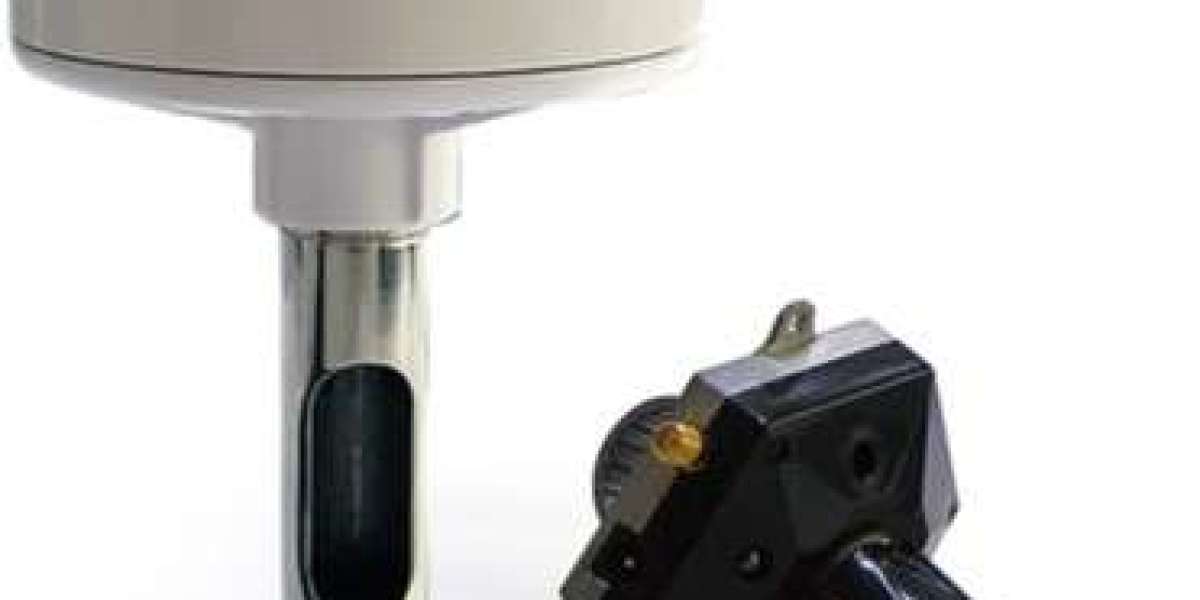
Global Positioning System (GPS) technology is a critical component in many modern systems, including automotive navigation, aerospace systems, industrial automation, telecommunications, and timing synchronization. While GPS works reliably in open outdoor environments, testing GPS-dependent equipment indoors presents significant challenges. This is where GPS repeaters play a vital role. They enable accurate, controlled, and repeatable GPS testing in indoor environments where natural satellite signals are unavailable.
The Challenge of Indoor GPS Testing
GPS signals transmitted from satellites are extremely weak by the time they reach the Earth’s surface. Buildings, concrete structures, metal enclosures, and electromagnetic interference significantly degrade or completely block these signals. As a result, GPS-enabled devices cannot acquire or maintain a satellite lock indoors.
For engineers and testers, this creates a problem. Development, validation, and troubleshooting of GPS-based equipment cannot always be performed outdoors due to environmental variability, safety concerns, or the need for controlled test conditions. Indoor testing environments such as laboratories, production floors, and test chambers require a reliable way to provide GPS signals.
What Is a GPS Repeater?
A GPS repeater is a system that receives live GPS signals through an outdoor antenna and retransmits them inside a controlled area. It does not generate artificial signals but instead rebroadcasts real satellite data, allowing GPS receivers indoors to operate as if they were outdoors.
This makes GPS repeaters particularly useful for testing and validating GPS receivers, modules, and integrated systems under realistic conditions.
Why GPS Repeaters Are Essential for Indoor Testing
- Reliable GPS Signal Availability Indoors
GPS repeaters ensure a stable and continuous GPS signal inside buildings. This allows engineers to test device acquisition time, signal tracking, and positioning accuracy without relying on outdoor conditions.
- Controlled and Repeatable Test Conditions
Outdoor GPS testing is influenced by weather, satellite geometry, and signal interference. GPS repeaters provide a controlled environment where tests can be repeated consistently, which is essential for debugging, validation, and quality assurance.
- Improved Development and Debugging Efficiency
Indoor testing with GPS repeaters enables faster development cycles. Engineers can perform extended tests without moving equipment outside, improving productivity and reducing setup time.
- Safe and Secure Testing Environments
Certain GPS-dependent systems—such as automotive ECUs, aerospace components, or defense-related equipment—must be tested in secure or shielded facilities. GPS repeaters allow testing without exposing sensitive equipment to uncontrolled environments.
- Support for Production and Manufacturing Testing
In manufacturing environments, GPS repeaters are used to verify GPS functionality during production and final inspection. This ensures that devices meet performance requirements before deployment.
Common Applications of GPS Repeaters
GPS repeaters are widely used in:
- Automotive and vehicle navigation system testing
- Aerospace and avionics system validation
- Industrial timing and synchronization systems
- Telecommunications infrastructure testing
- Research laboratories and test facilities
They are particularly valuable where multiple GPS devices must be tested simultaneously indoors.
Regulatory and Best-Practice Considerations
While GPS repeaters are powerful testing tools, their use is often regulated to prevent interference with public GPS signals. It is important to deploy them in controlled, shielded, or licensed environments and follow local regulatory guidelines.
Conclusion
GPS repeaters are essential for indoor GPS testing because they provide reliable, real-world satellite signals in environments where GPS would otherwise be unavailable. By enabling controlled, repeatable, and efficient testing, GPS repeaters support faster development cycles, improved product quality, and safer testing practices.
Read More: https://tecsysproductguides.blogspot.com/2025/12/why-gps-repeaters-are-essential-for.html