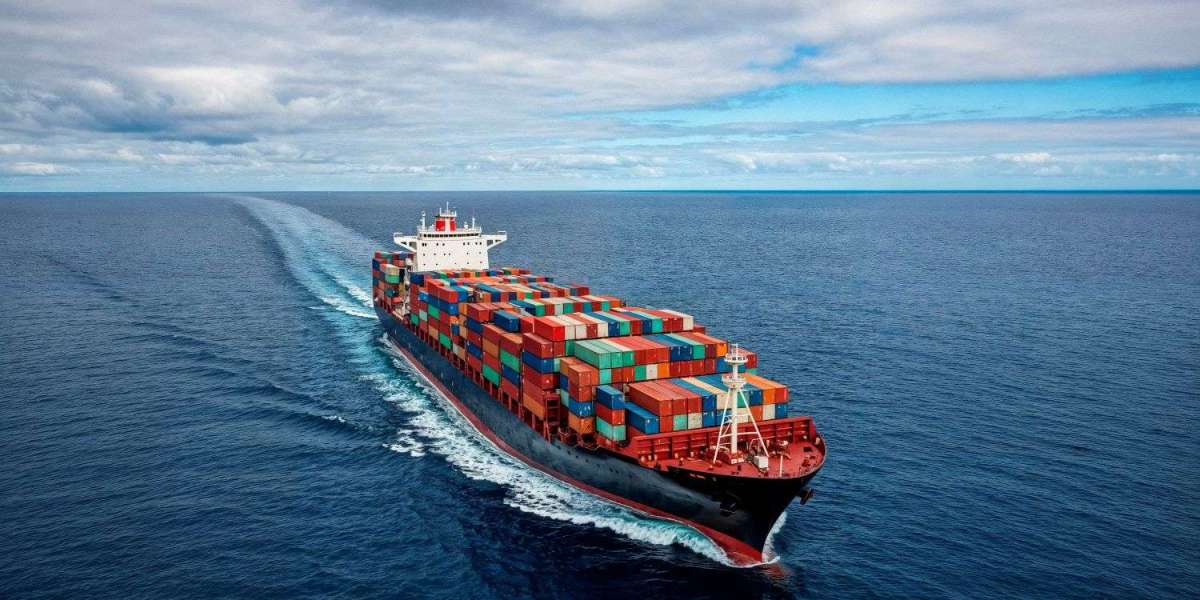
Sustainable marine navigation has become a major focus in the global shipping industry as concerns about climate change and environmental impact continue to grow. With international trade heavily dependent on maritime transport, finding ways to reduce emissions while maintaining efficiency is essential. Modern navigation technologies, data analytics, and smarter operational strategies are now playing a key role in making shipping more environmentally responsible.
At the core of sustainable navigation is the concept of smarter routing. Instead of following fixed or traditional sea routes, vessels now use advanced systems that analyze real-time data such as weather conditions, ocean currents, and traffic density. These systems recommend optimal routes that minimize fuel consumption and reduce travel time. Even traditional coastal markers like types of buoy still support navigation safety, but digital systems now lead the way in efficiency and environmental planning.
One of the most effective tools in reducing emissions is weather routing technology. By studying atmospheric and oceanic conditions, navigation software can guide ships away from storms, strong currents, and rough seas. This not only improves safety but also reduces fuel usage, as vessels avoid conditions that force them to consume more energy. Over long distances, these small adjustments can lead to significant reductions in carbon emissions.
Another important advancement is voyage optimization through artificial intelligence and machine learning. These systems analyze historical and real-time data to suggest the most fuel-efficient speed and route for a vessel. Instead of sailing at constant speeds, ships can adjust their operations dynamically, balancing time efficiency with fuel savings. This adaptive approach has proven to be highly effective in reducing greenhouse gas emissions.
Hull design and ship maintenance also play a critical role in sustainable navigation. A well-maintained hull reduces water resistance, allowing ships to move more efficiently through the water. Regular cleaning and advanced coating technologies help prevent biofouling, which can significantly increase fuel consumption. When combined with smarter routing, these physical improvements contribute to a more sustainable maritime operation.
Slow steaming is another widely adopted strategy in the shipping industry. This involves operating vessels at lower speeds to reduce fuel consumption and emissions. While it may slightly increase travel time, the environmental benefits are substantial. Many shipping companies now integrate slow steaming with optimized routing systems to achieve a balance between efficiency and sustainability.
Digitalization has further accelerated progress in sustainable navigation. Integrated navigation systems combine GPS data, electronic charts, and environmental information to provide a complete operational picture. These systems allow captains to make informed decisions that reduce unnecessary fuel use. Real-time monitoring ensures that ships stay on the most efficient path throughout their journey.
Port operations also contribute to emission reduction efforts. Efficient scheduling and reduced waiting times at ports help minimize idle fuel consumption. Just-in-time arrival systems allow ships to adjust their speed so they arrive exactly when docking space is available, avoiding long periods of engine use while waiting offshore. This coordination between sea and shore operations significantly improves overall efficiency.
Regulatory frameworks and international agreements are also pushing the industry toward sustainability. Organizations such as the International Maritime Organization (IMO) have set targets to reduce carbon emissions from shipping. These regulations encourage the adoption of cleaner technologies and smarter navigation practices across the global fleet.
Despite these advancements, challenges remain. Implementing new technologies can be expensive, and not all vessels are equipped with modern navigation systems. Additionally, global coordination is required to ensure consistent standards across the industry. However, the long-term benefits of reduced fuel costs and environmental impact are driving widespread adoption.
Looking ahead, the future of sustainable marine navigation is expected to become even more advanced. Autonomous ships, powered by artificial intelligence and real-time data, will further optimize routes and energy usage. Renewable energy sources such as wind-assisted propulsion and hybrid engines are also being explored to complement smarter navigation systems.