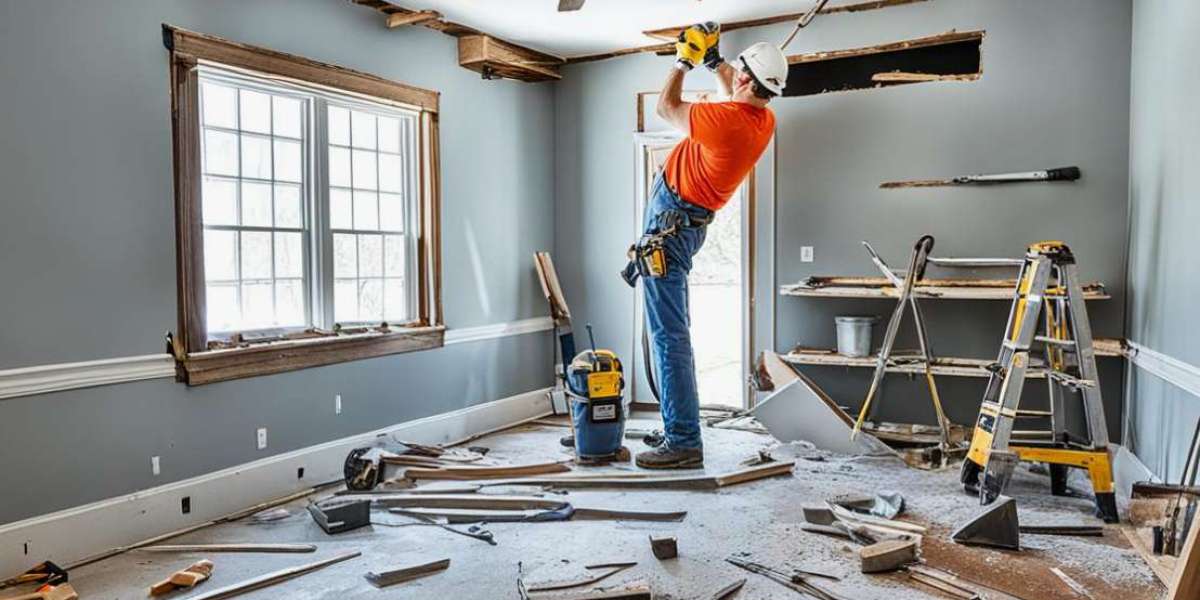
In the evolving hospitality industry, maintaining brand standards and delivering consistent guest experiences is essential for long-term success. One of the most important tools used by hotel owners and operators is the property improvement plan, which outlines the required upgrades and renovations needed to meet brand expectations. This structured plan ensures that hotels remain competitive, compliant, and aligned with modern design and operational standards while enhancing overall guest satisfaction.
Understanding the Concept of Property Improvement Plans
A Property Improvement Plan (PIP) is a detailed roadmap provided by hotel brands or franchisors to guide property upgrades. It identifies specific areas that require renovation, such as guest rooms, public spaces, exterior design, safety systems, and technology infrastructure. The purpose of this plan is to ensure that the property aligns with the brand’s identity and meets current market expectations. PIPs are typically issued during franchise renewals, ownership transfers, or rebranding processes.
Importance of Property Improvement in Hospitality
Property improvement plays a critical role in maintaining a hotel’s competitiveness in the market. Over time, guest expectations evolve, and properties must be upgraded to remain relevant. A well-executed improvement plan enhances guest experience, increases property value, and strengthens brand reputation. It also ensures compliance with industry standards and safety regulations. Without regular improvements, hotels risk losing market share and falling behind competitors.
Key Elements of a Property Improvement Plan
A comprehensive property improvement plan includes several essential components. These typically cover interior design upgrades, furniture replacement, fixture enhancements, and equipment modernization. Additionally, improvements may involve structural repairs, energy efficiency upgrades, and technology integration. Each element is carefully outlined to ensure that the property meets both aesthetic and functional requirements while maintaining brand consistency across all locations.
Role of Design and Aesthetic Upgrades
Design is a major focus of any property improvement plan. Hotels must maintain a visually appealing and modern environment to attract guests and enhance brand perception. Interior design upgrades often include new color schemes, updated furniture, improved lighting, and refreshed decor elements. These changes help create a cohesive and inviting atmosphere that reflects the brand’s identity. A well-designed space not only improves guest satisfaction but also increases the overall value of the property.
Budget Planning and Financial Management
Effective budget management is essential for executing a successful property improvement plan. Renovation projects require significant financial investment, making cost control a critical factor. Hotel owners must carefully allocate resources to ensure that all required upgrades are completed within budget. Financial planning includes cost estimation, vendor negotiation, and phased implementation strategies. Proper budgeting helps prevent overspending and ensures that financial resources are used efficiently.
Project Management and Execution Strategy
Successful implementation of a property improvement plan requires strong project management. Coordinating multiple stakeholders, including designers, contractors, and suppliers, is essential for smooth execution. Project managers are responsible for scheduling, monitoring progress, and ensuring that all tasks are completed on time. Clear communication and structured workflows help minimize delays and reduce operational disruptions. Effective execution ensures that hotels remain functional during renovation periods.
Compliance with Brand Standards
Brand compliance is one of the most important aspects of a property improvement plan. Hotel brands have strict guidelines regarding design, safety, service quality, and operational efficiency. Failure to meet these standards can result in penalties or loss of franchise rights. Property improvement consultants work closely with hotel owners to ensure that all upgrades align with brand expectations. This includes adhering to specific design templates, material specifications, and operational protocols.
Technology Integration in Modern Upgrades
Technology has become a key component of modern property improvement plans. Hotels are increasingly adopting smart systems to enhance guest experience and operational efficiency. Upgrades may include digital check-in systems, smart room controls, energy management solutions, and high-speed internet infrastructure. These technological enhancements not only improve guest convenience but also reduce operational costs and increase efficiency. Integrating modern technology is essential for staying competitive in the hospitality industry.
Sustainability and Energy Efficiency
Sustainability is a growing priority in hotel renovation projects. Property improvement plans often include eco-friendly upgrades such as energy-efficient lighting, water-saving fixtures, and sustainable building materials. These improvements help reduce environmental impact while lowering operational costs. Many hotel brands now require compliance with green building standards, making sustainability an essential part of modern property development. Sustainable upgrades also enhance brand reputation among environmentally conscious travelers.
Challenges in Property Improvement Projects
Implementing a property improvement plan can be complex and challenging. Common challenges include budget constraints, supply chain delays, and coordination issues among stakeholders. Renovation projects may also disrupt normal hotel operations if not managed properly. However, these challenges can be addressed through careful planning, risk management, and phased execution strategies. Effective communication and contingency planning are essential for overcoming obstacles and ensuring project success.
Benefits of a Well-Executed Improvement Plan
A successfully executed property improvement plan offers numerous benefits for hotel owners and operators. It enhances guest satisfaction by improving comfort, aesthetics, and functionality. It also increases property value and strengthens brand reputation. Upgraded facilities attract more guests and improve overall revenue performance. Additionally, compliance with brand standards ensures long-term operational stability and franchise retention. These benefits make property improvement plans a critical investment in hospitality success.
Future Trends in Property Improvement Planning
The future of property improvement planning is being shaped by innovation, sustainability, and guest-centric design. Hotels are increasingly focusing on personalized experiences, smart technology integration, and eco-friendly construction practices. Data-driven decision-making is also becoming more common in planning renovations and upgrades. These trends reflect the evolving expectations of modern travelers and the need for continuous improvement in hospitality design and operations.
Conclusion: Driving Hospitality Excellence Through Upgrades
Property improvement plans are essential for maintaining hotel quality, brand consistency, and guest satisfaction. By combining design upgrades, financial planning, and operational efficiency, these plans ensure that hotels remain competitive in a dynamic industry. As hospitality standards continue to evolve, structured improvement strategies will remain critical for long-term success. Hotels that invest in well-planned renovation processes will benefit from enhanced performance, stronger branding, and improved guest loyalty.