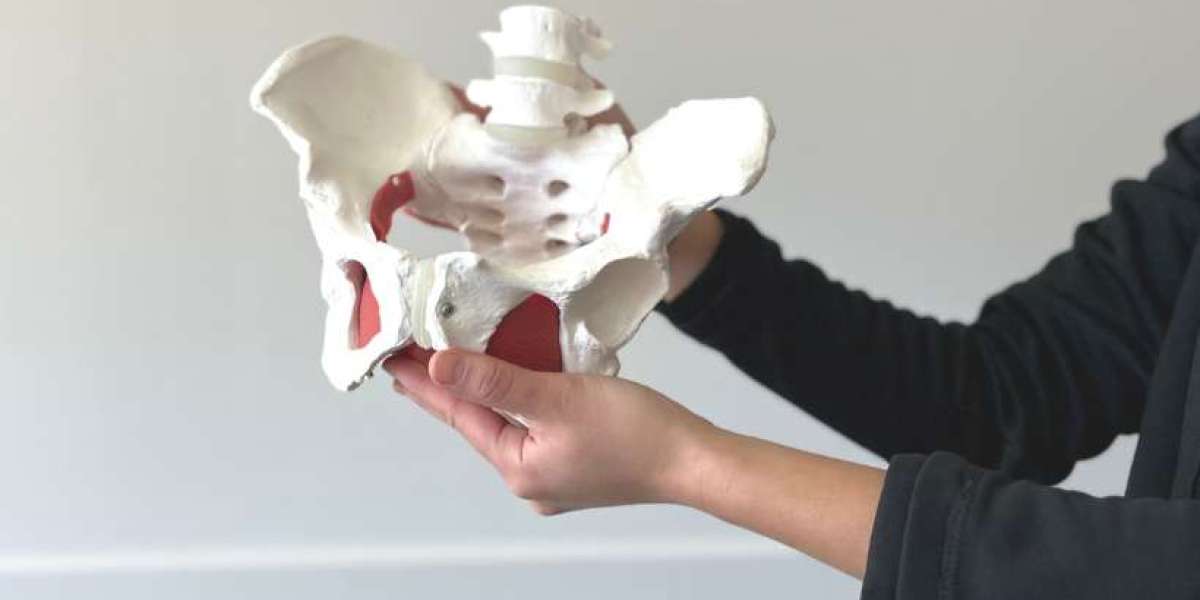
Sometimes happiness shows up alongside tough moments when someone goes through pregnancy and giving birth. Because the body changes so much, getting ready ahead of time helps everything move easier. Not everyone knows this, yet pelvic floor physical therapy plays a big role before having a baby. Muscles and tissues around the pelvis get special care through these sessions. Stronger support there often leads to better outcomes later. What makes this kind of therapy stand out is how it focuses on one key area that affects comfort and function. Many mothers find relief without needing more intense treatments down the road.
Strengthening the Pelvic Floor Muscles
Down below, a group of muscles holds up key organs like the womb, bladder, and gut. When carrying a child, those tissues stretch under extra load - sometimes they grow slack as time passes. Training moves taught in pelvic floor therapy tighten them back, bringing better control and strength along the way.
Pressure from pregnancy often leads to leaking urine, yet solid pelvic support helps prevent it. When moms-to-be train these muscles consistently, problems like leaks become less likely. Staying active with daily squeezes keeps things working well down there. Strength here means fewer issues later, even after birth. Routine effort makes a difference without needing extra steps.
Preparing for Labor and Delivery
When labour hits, the muscles down low face intense pressure. Because they’re ready ahead of time, physical training helps them handle what’s coming. With strength and flexibility in those tissues, pushing tends to flow better when the moment arrives.
Sometimes breathing right helps the pelvic floor loosen when it is time to push. Muscle control learned ahead of time tends to reduce serious tears. Fewer women need forceps or surgical cuts if they practice beforehand. Labour often feels smoother when the body responds without tightness. Preparation shifts how intense moments land in the moment.
Managing Pregnancy-Related Pain
Though many feel aches during pregnancy, particularly around the hips, pelvis, or lower back, help exists. Hormonal changes plus growing demands on the body can spark issues like PGP or sciatica. Instead of waiting it out, some turn to pelvic floor physiotherapists who know how to respond. Their approach often blends hands-on techniques with specific movements tailored to each person.
Pain might ease when muscles gain strength through PFPT, since flexibility grows alongside better alignment. Comfort in everyday movement often follows, once the body handles pregnancy's demands with less effort.
Reducing the Risk of Pelvic Organ Prolapse
Pelvic organ prolapse happens when support from the pelvic muscles fades, letting organs shift downward. Shifting organs often bring a feeling of fullness, along with irritation or trouble using the bathroom. Women who have carried pregnancies are more likely to notice these changes.
Pelvic floor exercises aim to reduce the chance of organ descent during pregnancy. When moms-to-be build muscle strength, they often sidestep complications while supporting long-term pelvic wellness - both during gestation and beyond it.
Supporting Postpartum Recovery
Not just about birth, PFPT plays a quiet role afterward. When delivery ends, those deep core muscles often lose strength. A weakened base may lead to leaks, pressure, or soreness down below. Some find relief by starting care during pregnancy - this kind of support tends to smooth the months after baby arrives. Healing isn’t automatic; preparation helps.
After having a baby, women might work with physiotherapists who guide them through gentle routines that build strength in the pelvic area. Because these experts help, moms find it easier to handle daily tasks while healing - like gaining back normal bladder function, easing discomfort, yet also feeling more stable overall down there.
Enhancing Core Stability and Overall Fitness
When you stand or move, your pelvis helps hold things steady - so do the muscles along your spine and belly. Working on those pelvic muscles often means better support overall, especially as your center shifts with pregnancy. Balance stays smoother when these parts work well.
When you mix strength, flexibility, and stamina work into PFPT, overall fitness often improves. Moving regularly gives pregnant individuals a lift in energy, eases tension, while readying muscles and joints for labor and early parenting tasks.
Personalized Care and Education
One big plus of PFPT is how it fits each person’s needs. Because every pregnancy differs, treatments shift to match personal goals instead of following a set plan. Custom exercises come from close attention to how someone feels, moves, their stage of pregnancy. When routines reflect real-life demands, results tend to follow more naturally. Adjustments happen often, so nothing stays fixed just because it once worked. What matters most shows up in steady progress, not perfect form. Care shaped around you usually sticks better than one-size-fits-all methods.
Now here's a different way to carry yourself through each day - physiotherapists guide pregnant women through breathing methods, movement patterns, how to stand, sit, move. Because of these lessons, soon-to-be mothers gain clear understanding exactly when it matters most, before and after birth. That clarity leads to real choices about their own physical care, step by step.
Conclusion
Muscle work during pregnancy often gets overlooked, yet focusing on the pelvic floor brings real benefits. When these muscles gain strength through guided movement, bodies handle changes better. Labour feels less daunting when preparation includes specific support tailored to one person. Discomfort finds ways to lessen with consistent attention over time. Some complications, like organs shifting downward, become less likely with steady practice. After delivery, returning to daily life flows easier if foundational areas received care beforehand. Stability deep inside the torso grows stronger not by chance but through deliberate effort. Each session adjusts to match how someone moves, feels, responds - no two paths exactly alike.
A smoother pregnancy might follow when prenatal visits include pelvic floor therapy, then lead into easier birth experiences too. Because each body responds differently, talking with a trained therapist could make a real difference later on down the road. Starting early often helps, especially once movements and habits shift naturally toward what feels right mid stride through motherhood.