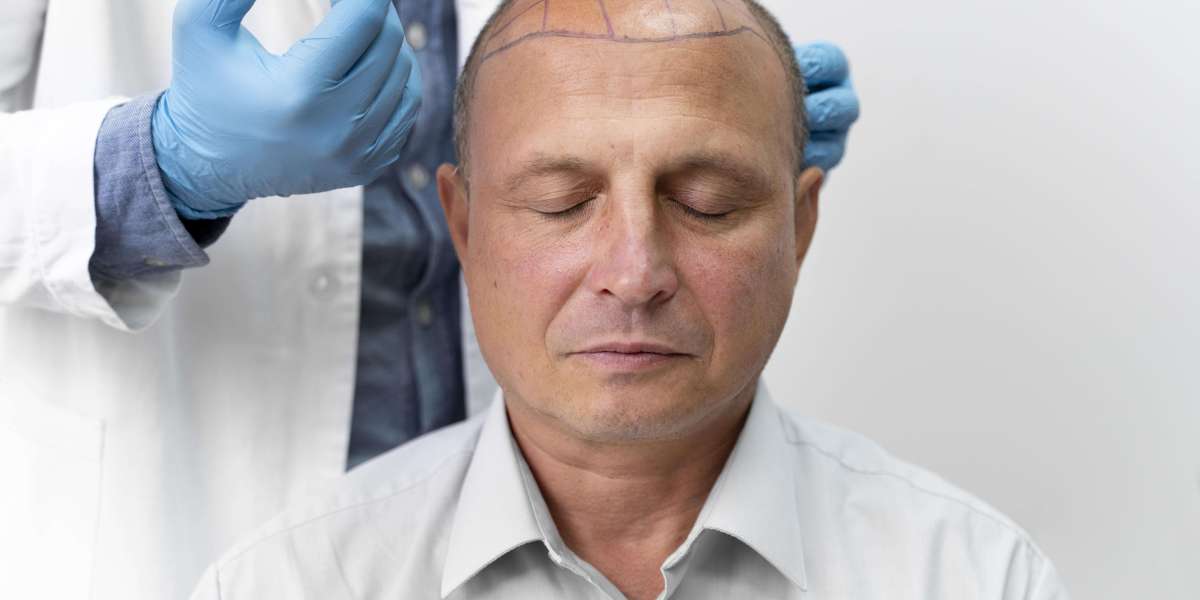
Hair transplant surgery has moved from being an occasional cosmetic procedure to a mainstream, confidence-restoring treatment — and Dubai is now one of the region's leading hubs for hair restoration. World-class clinics, internationally trained surgeons, and modern techniques make the city attractive for both residents and medical tourists. Below is a clear, practical guide to what you should know before booking a hair transplant in Dubai( زراعة الشعر في دبي ) : techniques, costs, safety checks, recovery, and realistic expectations.
Why people choose Dubai for hair restoration
Dubai combines advanced medical facilities with high patient service standards. Many clinics use up-to-date technologies (FUE, DHI, robotics) and offer packaged services for international patients (consultation, accommodation, and aftercare). If you're considering traveling for treatment, Dubai's accessibility and hospitality infrastructure make the whole process smoother.
Common techniques: FUE, FUT, DHI — what they mean
FUE (Follicular Unit Extraction): Individual follicular units are taken from the donor area and implanted into the thinning area. It's the most popular method in Dubai due to minimal scarring and faster recovery.
FUT (Strip method): A strip of scalp is removed from the donor area; grafts are then prepared and implanted. This can yield large graft numbers in one session but leaves a linear scar.
DHI (Direct Hair Implantation): A variation of FUE where grafts are implanted directly using specialized pens; some clinics market this as improving graft survival and density.
Each technique has pros and cons; the best choice depends on your hair loss pattern, donor availability, and surgeon recommendation.
Costs — a realistic range
Prices vary widely based on technique, clinic reputation, surgeon experience, and graft count. For typical cases (around 2,000–3,000 grafts) published ranges for Dubai put total package prices approximately between AED 25,000 and AED 46,000 (rough averages; packages may include consultation, surgery, and limited follow-up). Some clinics quote per-graft pricing while others offer procedure packages; always confirm what’s included.
Safety, licensing and local regulations — what to check
Dubai’s health authorities (DHA and relevant free-zone regulators) maintain standards for hair transplant services and licensing requirements for practitioners and facilities. These guidelines cover facility setup, credentialing, and minimum service standards — meaning licensed clinics must meet specific safety and staffing criteria. Before booking, verify the clinic’s DHA (or relevant regulatory) license and confirm the operating surgeon’s credentials and hair-restoration certification.
How to choose the right clinic and surgeon
Regulatory compliance: Confirm the clinic is licensed by Dubai Health Authority (DHA) or the free-zone regulator where it operates. Ask for license numbers and check them on the regulator’s site.
Surgeon credentials: Look for surgeons with documented training in hair restoration (fellowships, ABHRS/FISHRS certification or equivalent) and a visible surgical portfolio.
Before & after photos: Examine real patient results (not stock images). Ask for cases similar to your hair type, age, and level of loss.
Patient reviews & testimonials: Read independent reviews across multiple platforms — but weigh them carefully; single extreme reviews shouldn’t be decisive.
Transparent pricing & graft counting: Ensure the clinic explains how grafts are counted and what is included (anesthesia, meds, follow-ups).
Follow-up care: Confirm the post-op plan — wound care, PRP/medication recommendations, and accessibility for complications.
What to expect on the day and during recovery
Day of surgery: Typically performed under local anesthesia. Sessions last 4–8 hours depending on graft count and technique.
Immediate recovery: Expect scalp tenderness, swelling, and scabbing for the first 7–14 days. Most people return to non-strenuous work within a week, but avoid heavy exercise for 2–4 weeks.
Hair growth timeline: Transplanted hairs often shed in the first 2–8 weeks (a normal phase) before new growth begins. Noticeable improvement usually appears at 4–6 months, with full maturation around 9–12 months.
Maintenance: Many surgeons recommend topical/oral medications (e.g., minoxidil, finasteride) or adjunctive PRP therapy to protect native hair and support graft survival.
Risks and realistic expectations
No surgery is risk-free. Potential complications include infection, poor graft survival, unnatural hairline design, scarring (more with FUT), numbness, and dissatisfaction with density. A trusted surgeon will explain risks and offer realistic expectations based on your donor supply and hair characteristics. Good candidacy is as important as technique.
Alternatives and adjuncts
If you're not ready for transplant surgery, options include medical therapy (finasteride/minoxidil), low-level laser therapy, PRP injections, and hair systems (non-surgical). For modest thinning or diffuse loss, combining medical therapy with minimally invasive treatments sometimes delays or reduces the need for a transplant.
Practical checklist before you book
Verify clinic and surgeon licensing (ask for DHA or regulator reference).
Get a clear written quote that states graft count, technique, inclusions, and follow-up.
Ask for surgeon's before/after photos and at least two patient references if possible.
Clarify the aftercare plan and who to contact in Dubai if complications arise.
Consider scheduling a virtual consultation first to discuss goals and expectations.
Final thought
Dubai offers high-quality hair restoration options with modern clinics and experienced surgeons, but the most important factor in a successful outcome is choosing a reputable, licensed clinic and a surgeon whose aesthetic sense matches your goals. Do your homework, ask clear questions, and set realistic expectations — the right approach can restore not just hair, but confidence. If you'd like, I can draft a shortlist of questions to ask clinics or a template message you can send to surgeons when requesting a consultation.