The way decorative surfaces are produced has changed dramatically in the last two decades. As architecture and interior design continue to evolve, designers require materials that are not only durable but also capable of delivering complex visual designs. One technology that has emerged to meet this demand is digital ceramic printing.
This modern printing method allows detailed images, textures, and patterns to be transferred directly onto ceramic materials such as tiles, glass panels, and porcelain slabs. By integrating digital design with ceramic manufacturing processes, this technology has created new opportunities for architects, designers, and manufacturers around the world.
Today, digital ceramic printing is widely used in residential, commercial, and public spaces, helping transform ordinary surfaces into visually engaging design elements.
The Growing Importance of Surface Customization
In modern construction and interior design, surfaces play an important role in shaping the overall atmosphere of a space. Walls, floors, and facades are no longer just structural components; they are key design features that contribute to the visual identity of a building.
Designers increasingly seek materials that can replicate natural textures or display artistic patterns. Ceramic materials are ideal for this purpose because they are strong, resistant to moisture, and suitable for both indoor and outdoor use.
Traditional decoration techniques often limited designers to repeating patterns or simple graphics. Digital printing technology has removed many of these limitations, allowing almost unlimited customization.
Personalized Design Possibilities
Using digital design tools, architects can create unique graphics that reflect cultural elements, brand identity, or artistic expression. These designs can then be printed onto ceramic surfaces without requiring special molds or screens.
For example, a hotel lobby may feature a large ceramic mural composed of multiple printed tiles. Similarly, a retail space might use decorative ceramic panels to create a distinctive brand environment.
How Ceramic Printing Technology Works
The process of printing on ceramic materials combines digital precision with traditional ceramic firing techniques.
Digital Artwork Preparation
The first step is creating or selecting a high-resolution design. Designers use specialized software to ensure that the image will maintain color accuracy and clarity after the firing process.
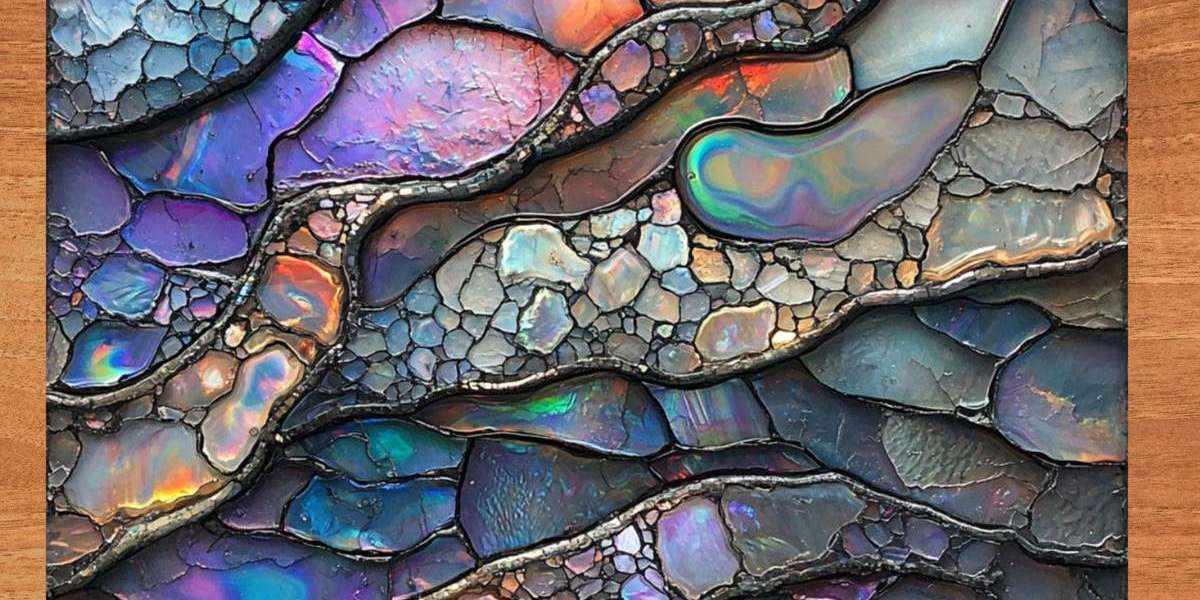
Patterns may include natural stone textures, abstract artwork, or photographic images.
Inkjet Printing with Ceramic Pigments
Once the design is prepared, industrial printers apply ceramic inks onto the surface of tiles or glass panels. These inks contain mineral pigments designed to withstand extremely high temperatures.
Within this stage, digital ceramic printing technology allows the printer to place microscopic droplets of pigment onto the surface with remarkable precision. This ensures that even the smallest details are accurately reproduced.
High-Temperature Kiln Processing
After printing, the ceramic material is placed inside a kiln and fired at high temperatures. During this process, the pigments fuse with the ceramic glaze, becoming part of the material itself.
The result is a permanent design that resists scratches, moisture, heat, and sunlight.
Industries That Benefit from Ceramic Printing
The durability and design flexibility of this technology make it suitable for many applications across different industries.
Architecture and Urban Development
Architects frequently use printed ceramic panels for building facades and decorative cladding. These panels not only enhance visual appeal but also provide protection from weather and environmental conditions.
In design-focused regions such as Dubai and other cities in the UAE, ceramic printing technology is commonly used in hotels, luxury residential buildings, and commercial developments.
Interior Design and Decorative Surfaces
Inside buildings, ceramic printing is used to create feature walls, kitchen backsplashes, and decorative panels. Designers can use patterns that imitate marble, wood grain, or stone while maintaining the durability of ceramic materials.
This approach allows interior spaces to achieve natural aesthetics without the maintenance challenges of natural materials.
Cultural and Public Installations
Large-scale tile murals are often used in museums, cultural centers, and public spaces. These artworks can remain vibrant for many years because ceramic surfaces resist fading and environmental damage.
Cities around the world use ceramic murals to display historical stories, cultural themes, or artistic expressions in public environments.
Practical Benefits for Long-Term Applications
Beyond aesthetics, ceramic printing technology provides several practical advantages that make it suitable for modern construction projects.
Durability in Challenging Environments
Ceramic materials are naturally resistant to heat, moisture, and chemicals. When combined with kiln-fused printing technology, the resulting surfaces remain intact even in high-traffic environments such as airports, hotels, and shopping centers.
Easy Maintenance
Unlike many decorative materials, ceramic surfaces are easy to clean and maintain. They resist stains and require minimal upkeep, making them practical for both residential and commercial spaces.
Consistency Across Large Projects
Digital printing technology ensures that each tile or panel matches the design specifications exactly. This consistency is especially important for large installations where visual continuity is required.
Future Possibilities for Ceramic Surface Design
The field of ceramic printing continues to advance as manufacturers develop new techniques and materials.
Researchers are exploring technologies that allow ceramic surfaces to replicate not only the appearance but also the physical texture of natural materials such as wood or stone. Large-format ceramic slabs are also becoming more common, allowing designers to cover entire walls with seamless printed patterns.
These innovations suggest that ceramic printing will continue to expand its role in architecture and interior design.
Conclusion
Digital ceramic printing has introduced a new level of creativity and precision to surface design. By combining advanced digital imaging with traditional ceramic manufacturing processes, it enables designers to create durable and visually striking materials.
From architectural facades and decorative interiors to public art installations, the applications of this technology continue to grow worldwide. As new innovations emerge, digital ceramic printing will remain a key solution for projects that demand both aesthetic flexibility and long-term performance.