
Introduction
As enterprises accelerate digital transformation initiatives, the Internet of Things (IoT) has become a cornerstone for enabling connected operations, real-time analytics, and intelligent automation. From smart factories and connected healthcare systems to intelligent logistics and energy management, IoT technologies are transforming how organizations collect and act on operational data.
However, deploying and managing large-scale IoT ecosystems introduces significant complexity. Organizations must manage thousands of devices, ensure secure data transmission, maintain network performance, and continuously monitor systems for potential cyber threats. This growing complexity has fueled the demand for IoT Managed Services, which enable enterprises to outsource the management, monitoring, and optimization of IoT environments to specialized service providers.
By leveraging expert-led management and advanced security protocols, enterprises can unlock the full potential of IoT technologies while reducing operational risks and infrastructure burdens.
Market / Industry Overview
The IoT ecosystem is expanding rapidly across industries such as manufacturing, healthcare, energy, transportation, and smart cities. Enterprises are deploying connected devices to improve operational visibility, automate processes, and enhance customer experiences.
However, managing a large IoT infrastructure requires capabilities that extend beyond traditional IT management. Organizations must address challenges such as device lifecycle management, network reliability, cybersecurity, and data integration.
This is where IoT Managed Services play a vital role. These services provide end-to-end support for IoT ecosystems, including device provisioning, monitoring, network management, security enforcement, analytics integration, and performance optimization.
Managed service providers maintain robust security protocols to protect connected devices, networks, and data streams. By staying updated on evolving cybersecurity threats and industry standards, these providers ensure that IoT environments remain secure and resilient.
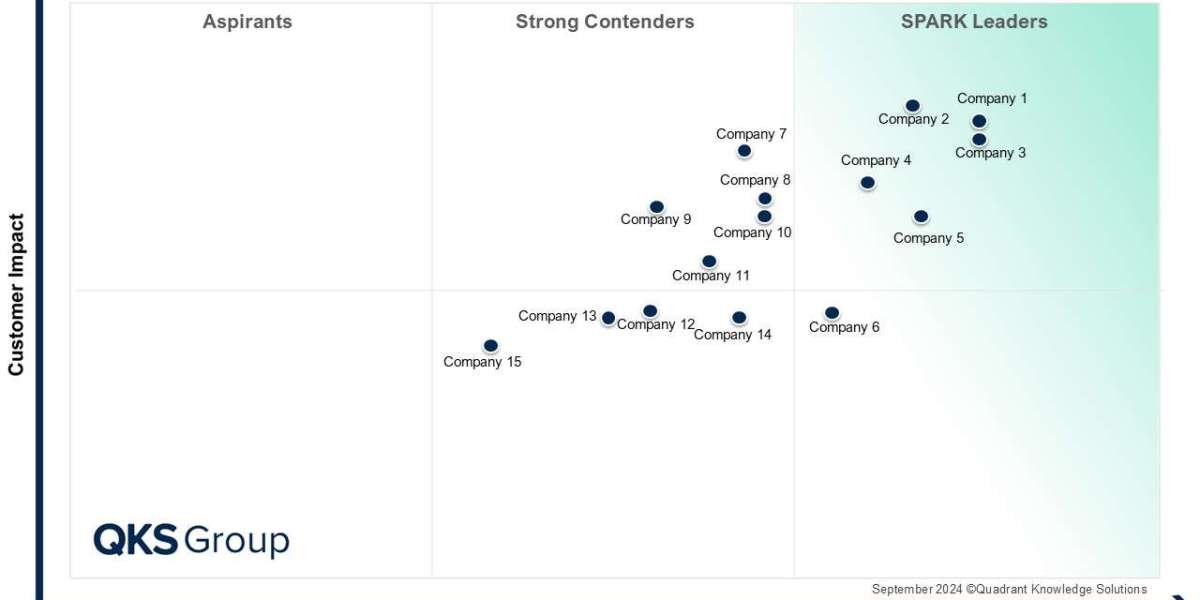
Research across the global IoT managed services market highlights strong vendor competition and innovation. The SPARK Matrix™ analysis evaluates and ranks leading providers based on technology excellence and market impact.
The analysis includes global vendors such as:
- Accenture
- Atos
- Capgemini
- Cognizant
- Deloitte
- Happiest Minds
- HCL Technologies
- IBM
- Infosys
- LTIMindtree
- NTT Data
- TCS
- Tech Mahindra
- Wipro
- Zensar Technologies
These companies are helping enterprises build scalable, secure, and future-ready IoT ecosystems.
Key Challenges Businesses Face
Despite the enormous potential of IoT technologies, enterprises often face several challenges when implementing and managing connected infrastructure.
Security and Cyber Risks
IoT devices often operate across distributed networks and remote environments, making them attractive targets for cyberattacks. Weak device authentication or unsecured networks can expose enterprises to data breaches and operational disruptions.
Device Management Complexity
Organizations must manage thousands of connected devices across multiple locations, each with different firmware, connectivity protocols, and lifecycle requirements.
Data Integration Issues
IoT devices generate massive volumes of real-time data. Integrating this data into enterprise systems such as analytics platforms or ERP systems can be technically challenging.
Network Reliability
IoT systems rely heavily on stable network connectivity. Poor connectivity can disrupt operations and compromise data accuracy.
Lack of Skilled Resources
Managing IoT infrastructure requires specialized skills in device management, security, networking, and analytics. Many organizations lack the in-house expertise needed to maintain such ecosystems.
Key Trends & Innovations
The evolution of IoT managed services is closely aligned with broader advancements in cloud computing, AI, and edge technologies.
AI-Driven Monitoring and Predictive Maintenance
Managed service providers are increasingly using artificial intelligence to detect anomalies, predict equipment failures, and automate system responses.
Cloud-Based IoT Platforms
Cloud-native IoT platforms provide scalable infrastructure for managing devices, storing data, and deploying analytics applications across distributed environments.
Edge Computing Integration
Edge computing allows data processing to occur closer to IoT devices, reducing latency and enabling faster decision-making for mission-critical operations.
Advanced Cybersecurity Frameworks
Security is becoming a central focus in IoT ecosystems. Managed service providers are implementing zero-trust architectures, device authentication protocols, and encrypted communication channels to protect IoT infrastructure.
Automation and Orchestration
Automation tools enable providers to remotely configure devices, deploy software updates, and manage network performance without manual intervention.
As these innovations mature, IoT Managed Services are becoming an essential component of enterprise digital infrastructure strategies.
Benefits & Business Impact
Adopting managed IoT services can deliver significant strategic and operational benefits for enterprises.
Enhanced Security
Service providers implement rigorous security frameworks and continuous monitoring systems to protect IoT networks and data streams.
Reduced Operational Complexity
Organizations can offload device management, network monitoring, and system maintenance to specialized experts.
Faster Deployment of IoT Initiatives
Managed services accelerate the deployment of IoT solutions by providing ready-to-use infrastructure and experienced technical support.
Improved Operational Efficiency
Real-time monitoring and predictive analytics help organizations optimize equipment performance and reduce downtime.
Cost Optimization
Outsourcing IoT management reduces the need for large internal teams and minimizes infrastructure maintenance costs.
Scalability
Managed services allow enterprises to scale IoT deployments quickly as new devices and use cases emerge.
Ultimately, IoT Managed Services allow organizations to focus on innovation and business outcomes rather than infrastructure management.
Use Cases and Real-World Examples
Smart Manufacturing
Manufacturers deploy IoT sensors to monitor machine performance, production output, and energy consumption. Managed service providers ensure continuous monitoring and predictive maintenance.
Connected Healthcare
Hospitals use IoT-enabled medical devices to track patient vitals and manage equipment utilization. Managed services ensure secure data transmission and device reliability.
Smart Cities
Municipalities deploy IoT networks for traffic monitoring, waste management, and environmental sensing. Managed service providers oversee network performance and security.
Logistics and Fleet Management
Transportation companies use IoT sensors to track vehicle location, fuel consumption, and maintenance needs. Managed services ensure real-time data availability and system uptime.
How Organizations Can Choose the Right Solution
Selecting the right IoT managed service provider requires a strategic evaluation of both technical capabilities and long-term partnership potential.
Key evaluation criteria include:
Security Expertise
Providers should offer strong cybersecurity capabilities including device authentication, encryption, and threat monitoring.
End-to-End IoT Management
The provider should support the entire IoT lifecycle, from device onboarding and monitoring to maintenance and analytics.
Integration Capabilities
Seamless integration with enterprise platforms such as ERP, analytics tools, and industrial systems is essential.
Scalability
The solution should support rapid expansion as organizations add more connected devices and applications.
Industry Experience
Providers with expertise in specific industries can deliver more tailored solutions and best practices.
Evaluating vendors through frameworks such as IoT Managed Services research and SPARK Matrix analysis helps organizations identify leading providers in the market.
Future Outlook (2025–2028)
The global IoT managed services market is expected to grow significantly over the next several years as enterprises expand their connected ecosystems.
Key trends shaping the future include:
- Rapid expansion of industrial IoT deployments
- Increased adoption of AI-driven IoT analytics
- Stronger integration of edge computing platforms
- Growing demand for cybersecurity-focused IoT services
- Expansion of smart infrastructure and smart city initiatives
As organizations continue to connect more devices and operational systems, IoT Managed Services will play a critical role in ensuring secure, scalable, and efficient IoT operations.
Conclusion
IoT technologies are transforming industries by enabling real-time insights, automation, and intelligent decision-making. However, managing large-scale IoT ecosystems presents significant technical and security challenges.
Managed service providers bring the expertise, infrastructure, and security frameworks needed to operate these complex environments effectively. By partnering with experienced providers, organizations can accelerate IoT adoption while minimizing operational risks.
As digital ecosystems continue to expand, IoT Managed Services will remain essential for enterprises seeking to build secure, scalable, and high-performing connected infrastructures.