Staying cool at home is very important, especially during hot summer days. A home cooling system can help keep your house comfortable, save money on energy bills, and even improve the air you breathe. This guide will explain what a home cooling system is, the different types available, and how you can take care of it to keep it working well.
What Is a Home Cooling System?
A home cooling system is any setup that makes the inside of your home cooler and more comfortable. Some systems also help control humidity, which is the amount of moisture in the air. Choosing the right system depends on the size of your home, the climate where you live, and how much money you want to spend on buying and running it.
Types of Home Cooling Systems
There are many ways to cool your home. Each type has different benefits, so it is important to know which one will work best for you.
Central Air Conditioning
Central air conditioning is a system that cools your entire home. It works by sending cold air through ducts, which are tubes that carry the air to every room. Central AC is very efficient for bigger homes because it keeps the temperature the same in every room. It also helps remove some moisture from the air, making your home more comfortable.
Ductless Mini-Splits
Ductless mini-splits are perfect if your home does not have ductwork. These systems have one outdoor unit and one or more indoor units. You can control the temperature in each room separately. This means you can make your bedroom cooler while keeping other rooms warmer, which can save energy and money.
Window Air Conditioners
Window air conditioners are smaller units that fit in your window. They are a good choice if you only need to cool one room. They are easy to install and usually cost less than central systems. Window units are good for apartments or smaller homes.
Portable Air Conditioners
Portable air conditioners are small machines that you can move from room to room. You do not need to install them permanently, which makes them convenient. However, they are not as energy-efficient as central AC or mini-splits, so they might cost more to run over time.
Evaporative Coolers
Evaporative coolers, also called swamp coolers, use water to cool the air. They work best in dry climates because they add moisture to the air. These systems use less electricity than traditional air conditioners, which can help lower energy bills.
How to Choose the Right Home Cooling System
Choosing the best home cooling system depends on your home, your budget, and how you use your rooms. Here are some things to consider:
- Home Size: Large homes often need central AC or multiple mini-splits. Smaller homes may only need a window or a portable unit.
- Climate: If you live in a hot and humid area, a system with dehumidifying power is important. In dry areas, evaporative coolers work well.
- Energy Efficiency: Look for systems with a high SEER rating, which means they use energy more efficiently. Efficient systems save money and are better for the environment.
- Budget: Think about how much it costs to buy, install, and run the system. A more expensive system may save money in the long run if it is more efficient.
- Maintenance: Systems that are easy to clean and check will last longer and work better.
Why Energy Efficiency Matters
Energy-efficient systems help you save money and reduce wear and tear. Regular maintenance, like cleaning filters and checking ducts, keeps your home cooling system working well. Using smart thermostats and programmable settings can also save energy by cooling your home only when needed.
Maintenance Tips for Your Home Cooling System
Taking care of your system is very important. Here are easy tips to keep it running smoothly:
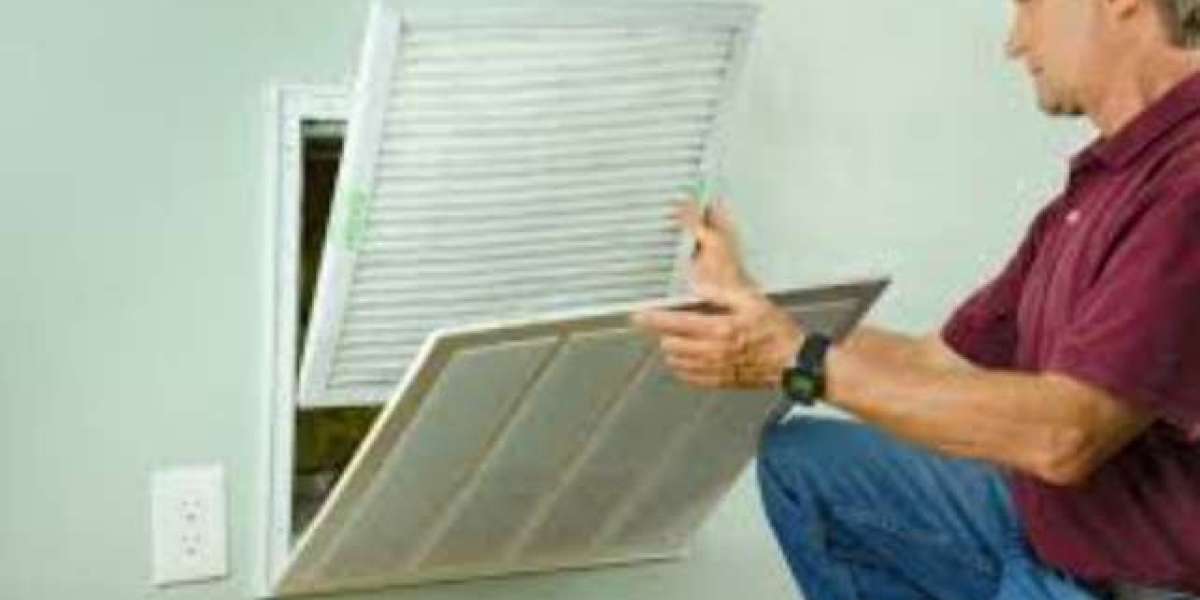
- Clean or Replace Filters: Dirty filters block airflow and make the system work harder. Clean or replace filters every 1-3 months.
- Check Ducts: Leaky ducts waste energy. Seal gaps and make sure the ducts are insulated.
- Check Refrigerant Levels: Low refrigerant makes the system less effective. Call a technician if the levels are low.
- Schedule Professional Inspections: A yearly check-up by a technician can prevent breakdowns and keep your system efficient.
- Keep Outdoor Units Clear: Remove leaves, dirt, and plants from around the outdoor unit so air can flow freely.
Common Problems and How to Fix Them
Knowing common problems helps homeowners avoid big issues.
- Poor Airflow: This can happen if filters are dirty or ducts are blocked. Cleaning them usually fixes the problem.
- Uneven Cooling: Some rooms may be hotter than others. Installing zone systems or extra air handlers can help.
- High Energy Bills: Old or inefficient systems use more energy. Upgrading can lower bills.
- Strange Noises: Buzzing or rattling sounds may mean parts are loose. Call a technician right away.
Benefits of Upgrading Your Home Cooling System
Upgrading to a modern home cooling system can improve comfort and save money. Some benefits include:
- Cooler and more comfortable rooms
- Lower energy bills with high-efficiency systems
- Cleaner air with better filtration
- Higher home value
- Quieter operation compared to older systems
Smart Home Cooling Options
Technology can make home cooling easier. Smart thermostats, app-controlled units, and sensors allow you to:
- Control the temperature from your phone
- Schedule cooling when you are home or away
- Monitor energy use
- Save money by adjusting the system automatically
Smart systems learn your daily habits and adjust settings to make your home comfortable while using less energy.
Summary
A good home cooling system makes your home more comfortable, saves money, and improves air quality. When choosing a system, think about your home size, climate, and budget. Take care of your system with regular maintenance to make it last longer.
Investing in the right cooling system helps you stay cool during hot months and makes your home more energy-efficient. Understanding your options and caring for your system ensures your family stays comfortable all year.