The global engineering and construction sector is the world’s largest consumer of raw materials. However, this traditional industry is at a pivotal crossroads. As Canadian construction contributes significantly to the national economy, it faces a demographic challenge with a large portion of the workforce approaching retirement. To navigate these challenges, industry leaders agree that digital tools like Building Information Modeling (BIM) and artificial intelligence (AI) are essential for boosting productivity.
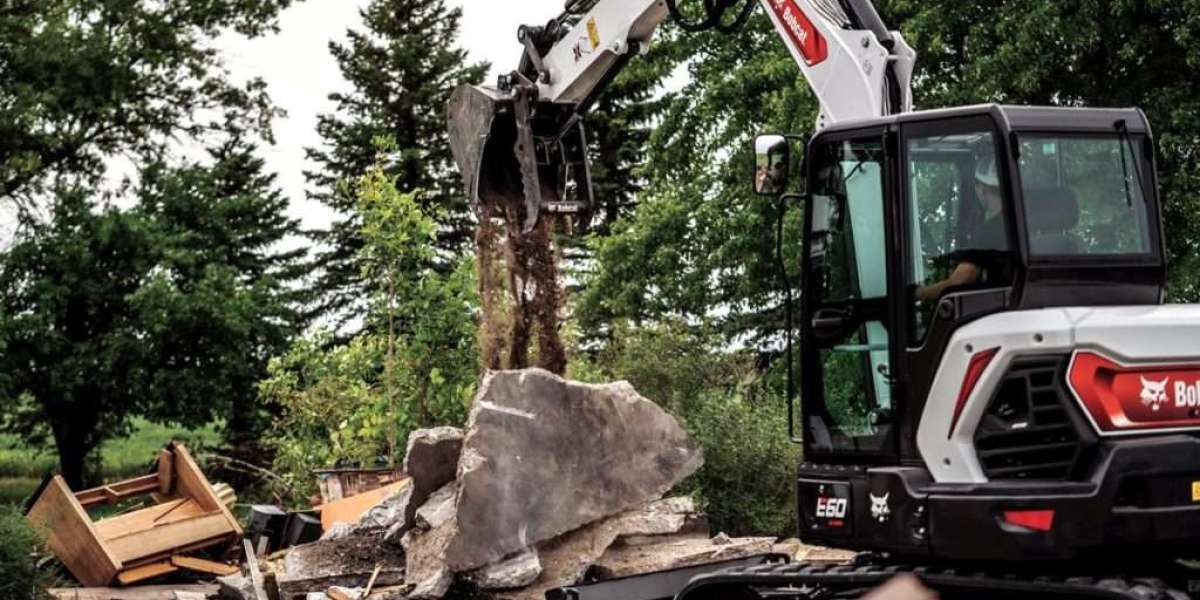
In this rapidly modernizing environment, the procurement of heavy machinery is shifting from traditional ownership to a flexible, data-driven service model. Digital transformation has reimagined the supply chain not as aseries of disconnected purchases, but as a network of integrated nodes. Within this digital ecosystem, excavator rental serves as a vital point of intersection where technology, sustainability, and operational efficiency converge. This transition allows firms to maintain resilience despite fluctuating trade policies and operational uncertainties.
Platform Economy Transforming Equipment Access in Construction
The rise of the platform economy has disrupted how contractors access equipment fundamentally. Multibillion-dollar digital platforms have already transformed other industries, and a similar shift is occurring in construction. Companies are now developing apps that aim to make excavator rental as streamlined as ordering food or booking short-term accommodations. These digital marketplaces allow for real-time stock availability, online booking, and secure payment processing.
Forward-thinking firms are leveraging these apps to ensure that hiring an excavator is a friction-free experience. For instance, the YOUSE app developed by Kiloutou enables main contractors to register heavy equipment on a site so that subcontractors can check availability and book it easily. This sharing economy approach eliminates the inefficiencies of having multiple identical pieces of equipment delivered to the same worksite, which increases costs, delivery accidents, and unnecessary carbon emissions.
IoT and Telematics: Fueling Real-Time Supply Chain Visibility
The integration of the Internet of Things (IoT) has turned "dumb iron" into smart, connected assets. IoT sensors and telematics units now outfit leased machinery to provide real-time visibility into performance and health. These devices transmit continuous data on location, fuel consumption, and engine hours, enabling what experts call "usage-based leasing." This granularity allows contractors to pay only for the actual work performed, rather than relying on flat-rate estimates that often lead to billing disputes.
Predictive maintenance is another transformative benefit of this connected node. IoT sensors monitor engine temperature and hydraulic pressure to alert service teams before a breakdown occurs, ensuring that project timelines remain intact. Furthermore, digital geofencing prevents theft by notifying managers if a machine is moved outside an authorized boundary.
Circularity and Sustainability through Shared Assets
From a sustainability perspective, excavator rental services aligns with the core objectives of a circular economy: reducing resource consumption and intensifying product use. Renting equipment encourages better maintenance by the manufacturer, significantly elongating the product's life cycle. This model helps address the reality that construction and demolition represent a substantial portion of global material consumption and waste. By utilizing shared rental fleets, the industry can recapture lost economic value while reducing its environmental footprint.
Innovative pilot projects demonstrate the potential of this shared model. Zeppelin Rental’s "Rental+" app allows customers to access a fleet stationed directly on or near major worksites via smartphones. In one project, this approach reduced the total number of machines on-site, cutting both congestion and carbon emissions associated with redundant deliveries. This efficiency is critical for a sector where buildings represent a large share of global energy-related CO2 emissions.
Overcoming Labour Shortages and Productivity Gaps
Technology acts as a "great equalizer" in the face of Canada’s labour shortages. Digital platforms and BIM integration allow firms to do more with fewer people by optimizing work sequencing and reducing rework. Rental companies have integrated their catalogues with ERP systems to streamline procurement and management.
This digital harmonization is essential because traditional "design-bid-build" approaches fail to accommodate the early collaboration required for modern projects. As government clients increasingly mandate BIM on major infrastructure works, the ability to integrate rented assets into a digital twin becomes a competitive advantage. Contractors who adopt these smart leasing practices execute projects with greater control, fewer surprises, and more predictable outcomes.
Conclusion
The evolution of the construction supply chain hinges on the move toward connected, shared, and data-rich environments. As the industry strives to meet unprecedented housing and infrastructure demands, excavator rental stands as a vital node that facilitates this transformation. By embracing IoT-enabled leasing and platform-based procurement, Canadian contractors can ensure their projects are both profitable and sustainable. The future of the job site is no longer just about heavy machinery; it is about the intelligent information that powers it.