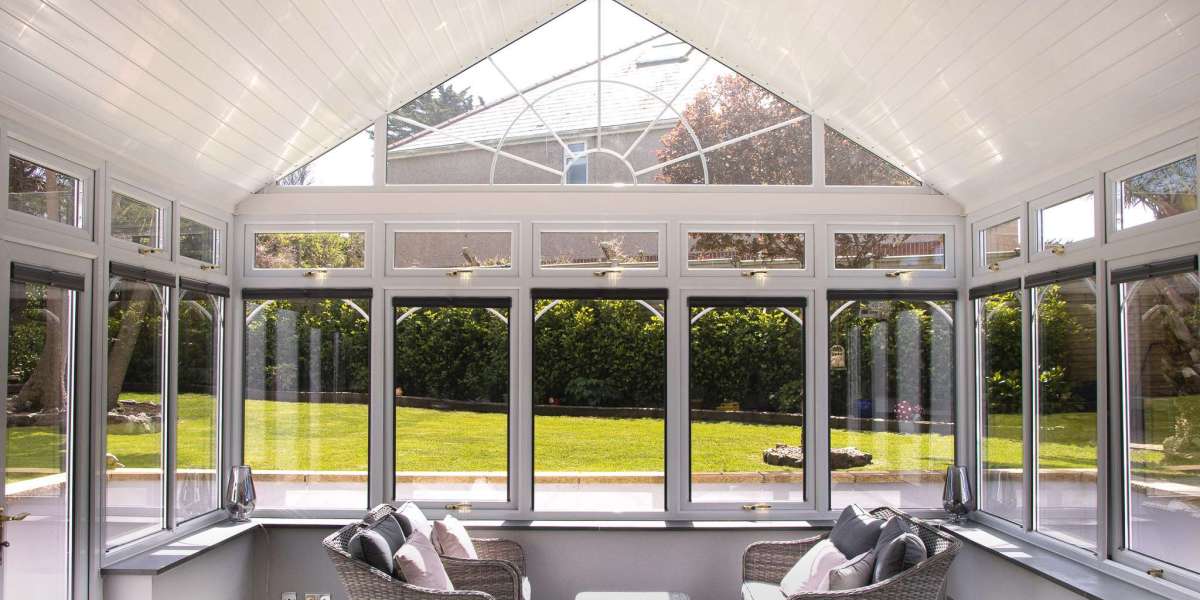
For homeowners in the Southwest of England, conservatories can be a fantastic way to add space and natural light. Yet many of these extensions sit unused for months because they’re too cold in winter or unbearably hot in summer. Conservatory insulation offers a practical solution, improving comfort while also enhancing the long-term value of your property.
I’ve worked with families across Devon, Cornwall, and Somerset who upgraded their conservatories with modern insulation systems. Beyond the immediate benefits of warmth and usability, they found their homes became more appealing to buyers and easier to sell. Here’s why insulation is more than just a comfort upgrade — it’s a property investment.
Why Traditional Conservatories Lose Value
Older conservatories often feature polycarbonate roofs or single glazing that performs poorly in terms of thermal efficiency.
Key issues include:
Excessive heat loss in winter, driving up energy bills
Solar overheating in summer, making the room uncomfortable
Condensation and damp in coastal areas
Rooms that remain unused for long periods
According to the Energy Saving Trust, heating represents over half of the typical UK household energy use. A poorly performing conservatory is not just uncomfortable — it’s a financial drain and can affect overall property appeal.
How Modern Conservatory Insulation Enhances Property Value
1. Energy Efficiency That Buyers Notice
Modern insulation reduces heat loss through the roof and walls, stabilising indoor temperatures. This results in lower energy bills and improved energy efficiency ratings.
Estate agents in the Southwest often highlight energy-efficient improvements when marketing homes. A conservatory that remains comfortable year-round can make your property stand out, particularly in competitive markets like Bristol or Plymouth.
2. Increased Usable Living Space
Conservatory insulation transforms a seasonal room into a genuine extension of your home. Families I’ve worked with have converted insulated spaces into home offices, playrooms, and dining areas.
By creating functional space, your property effectively gains extra square footage that buyers see as valuable. More usable rooms translate directly to higher perceived property value.
3. Reduced Condensation and Damp
Coastal towns such as Torquay and Falmouth experience higher humidity levels. Poorly insulated conservatories often develop condensation, which can damage floors, paintwork, and furnishings.
Modern insulation systems incorporate moisture-resistant materials and breathable membranes, preventing condensation. Homes that are free from damp problems are easier to sell and attract better offers.
4. Noise Reduction
Insulated roofs reduce rain and hail noise, creating a quieter and more comfortable space. This may seem minor, but buyers appreciate these subtle quality-of-life improvements.
A peaceful, versatile conservatory is more likely to impress potential buyers than one that is noisy during storms.
Actionable Strategies to Maximise Value
Conduct a Structural Survey
Before upgrading, confirm your conservatory frame can support an insulated roof. Structural surveys ensure safety and suitability.
Choose the Right Insulation System
From internal panels to fully insulated tiled roofs, the choice depends on your budget, aesthetic preference, and the current state of your conservatory.
Pair Insulation with Efficient Glazing
Combining roof insulation with energy-efficient glazing improves overall performance and marketability.
Ensure Proper Ventilation
Good ventilation prevents moisture buildup, protecting your investment and maintaining long-term value.
Common Mistakes to Avoid
Focusing only on cost: Cheaper options may not deliver meaningful thermal improvements.
Ignoring building regulations: Roof replacements may require compliance certification.
DIY installation: Conservatory roofs are structural; professional expertise is essential.
Neglecting lighting considerations: Solid roofs reduce natural light — plan integrated lighting if necessary.
Expert Tips from Southwest Installations
Ask for documented U-values to verify thermal performance.
Prioritise moisture-resistant materials, especially for coastal areas.
Schedule installations during mild weather to avoid delays.
Consider underfloor heating if converting the space into a primary living area.
Review warranties carefully to ensure long-term protection.
Homeowners who treat conservatory insulation as both a comfort and investment upgrade tend to see the best results.
Real-World Example
A property in Newton Abbot had an underused conservatory with a polycarbonate roof. After installing a solid insulated roof, the room became a dining and work area, consistently used year-round.
The home’s estate agent noted the improvement as a selling point. Within months, the property received multiple offers, demonstrating how functional, insulated spaces enhance market appeal.
Conclusion: Long-Term Benefits Are Clear
Modern Conservatory insulation does more than improve comfort — it protects your home, reduces energy costs, and enhances property value. By turning an underused, seasonal room into a functional living space, you create an attractive feature for buyers and improve your home’s long-term usability.
Take the Next Step
Consult a professional installer, review available systems, and choose the solution that maximises both comfort and value. An insulated conservatory is an investment that pays dividends for years to come.