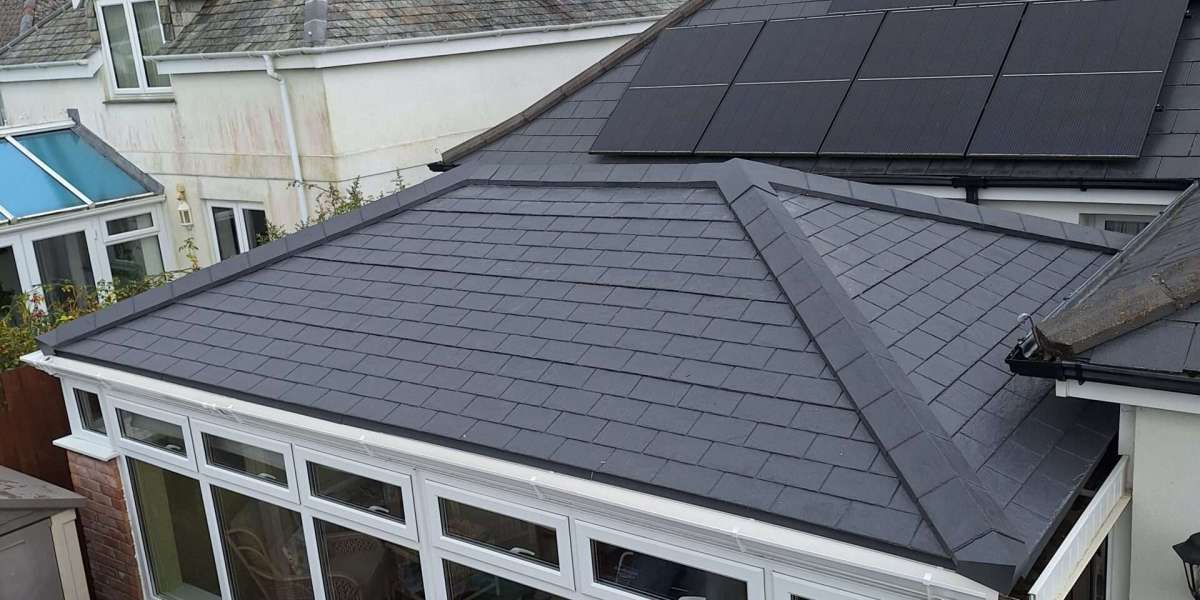
A conservatory can be a stunning addition to any home, providing natural light, extra living space, and a closer connection to your garden. However, many homeowners in the Southwest of England struggle with extremes of temperature and noise, particularly in conservatories with traditional glass or polycarbonate roofs. Installing an insulated conservatory roof is a smart solution that improves comfort, energy efficiency, and usability throughout the year. Before committing to this upgrade, it’s essential to understand the installation process, benefits, and practical considerations.
Why Upgrade to an Insulated Conservatory Roof?
Standard conservatory roofs often fail to provide adequate thermal performance. In summer, they can trap heat, turning your bright, airy space into a sauna. In winter, they can lose warmth quickly, leaving the room cold and underutilized. Noise from rainfall on glass or polycarbonate can also make the space less enjoyable.
An insulated roof addresses these problems. By incorporating thermal insulation into the roof structure, it stabilizes the internal temperature, reduces external noise, and creates a space that can be used year-round.
Real-world insight: Families across Devon and Cornwall who have upgraded their roofs report being able to use their conservatories as offices, playrooms, or dining areas without worrying about temperature extremes or weather noise.
Key Considerations for Installation
1. Choosing the Right Type of Insulated Roof
Insulated roofs come in several formats:
Solid insulated panels: Provide excellent thermal performance and noise reduction but may reduce natural light.
Hybrid roofs: Combine insulated panels with glass sections to maintain light while improving comfort.
Tiled insulated roofs: Match traditional roofing aesthetics while providing high insulation.
Each type has its pros and cons, so consider your priorities: maximum insulation, natural light, or style.
2. Professional Installation Matters
While DIY kits are available, professional installation ensures the roof performs as intended. Certified installers can:
Correctly calculate the required insulation thickness
Ensure proper ventilation to prevent condensation
Install flashing and seals to prevent leaks
A poorly installed roof may lead to heat loss, water ingress, and higher energy bills. In Southwest England, where weather conditions can be variable, professional expertise is particularly important.
3. Planning Permissions and Regulations
Most insulated conservatory roofs are considered permitted developments in the UK. However, there are exceptions, particularly for listed buildings or properties in conservation areas. Always check with your local council before starting work.
Benefits Homeowners Can Expect
Improved Energy Efficiency
Insulated roofs can reduce heat loss in winter and prevent excessive heat in summer. According to the Energy Saving Trust, proper insulation can reduce household heating costs by up to 15%. For a conservatory, this can be significant, lowering bills and improving overall home energy efficiency.
Noise Reduction
Rainfall on traditional roofs can be disruptive, particularly in areas prone to heavy rain, which is common across the Southwest. Insulated roofs dampen sound, allowing you to enjoy a quieter, more comfortable environment.
Year-Round Comfort
A well-insulated roof maintains a consistent temperature, turning your conservatory into a usable space regardless of the season. Whether you want a sunroom, office, or leisure space, the comfort level is vastly improved.
Added Property Value
Modern, insulated conservatories are appealing to buyers. Upgrading a conservatory roof not only improves living space but can also enhance resale value by making the property more functional and energy-efficient.
Common Installation Mistakes to Avoid
Ignoring Ventilation Needs: Even with insulation, proper airflow is essential to prevent condensation.
Choosing Low-Quality Materials: Cheap insulation may degrade quickly, reducing performance over time.
DIY Without Experience: Misalignment or improper sealing can compromise thermal efficiency and create leaks.
Pro tip: Ask your installer for U-values of the proposed roof. Lower U-values indicate better insulation performance, with high-performance roofs typically achieving 0.18–0.25 W/m²K.
Expert Tips for Maximizing Your Investment
Consider Light Panels: Hybrid roofs allow you to retain natural light without sacrificing insulation.
Check for Warranties: Ensure materials and installation are backed by guarantees to protect your investment.
Integrate Heating or Ventilation Systems: Complement insulation with underfloor heating or discreet vents to maximize comfort.
Plan for Maintenance: Inspect seals and panels annually to ensure long-term performance.
Example: A homeowner in Exeter replaced a polycarbonate roof with a hybrid insulated system. They reported a noticeable drop in heating bills and a quieter environment, while still enjoying abundant daylight.
Conclusion
An insulated conservatory roof transforms an underutilized space into a comfortable, energy-efficient, and versatile part of your home. By carefully selecting the type of roof, hiring experienced installers, and planning for ventilation and light, homeowners in Southwest England can enjoy a space that’s usable throughout the year, reduces energy costs, and enhances property value.