In everyday life across the UK, you will see height, room sizes, and DIY projects written in feet and inches. The numbers are easy to understand, but the small symbols beside them can confuse. Learning what these symbols mean and how to type them makes your measurements look clear, tidy and professional, whether you are sending a work email, writing a report or planning home improvements.
What Feet and Inches Really Measure
Feet and inches are units from the imperial system of measurement. One foot is made up of twelve inches. In the UK, people often describe height in feet and inches, even though official documents and technical work tend to use centimetres and metres. You might tell a friend you are "five foot ten", yet your doctor records your height in centimetres. Understanding the symbols lets you move smoothly between everyday talk and written measurements.
Standard Symbols for Feet and Inches
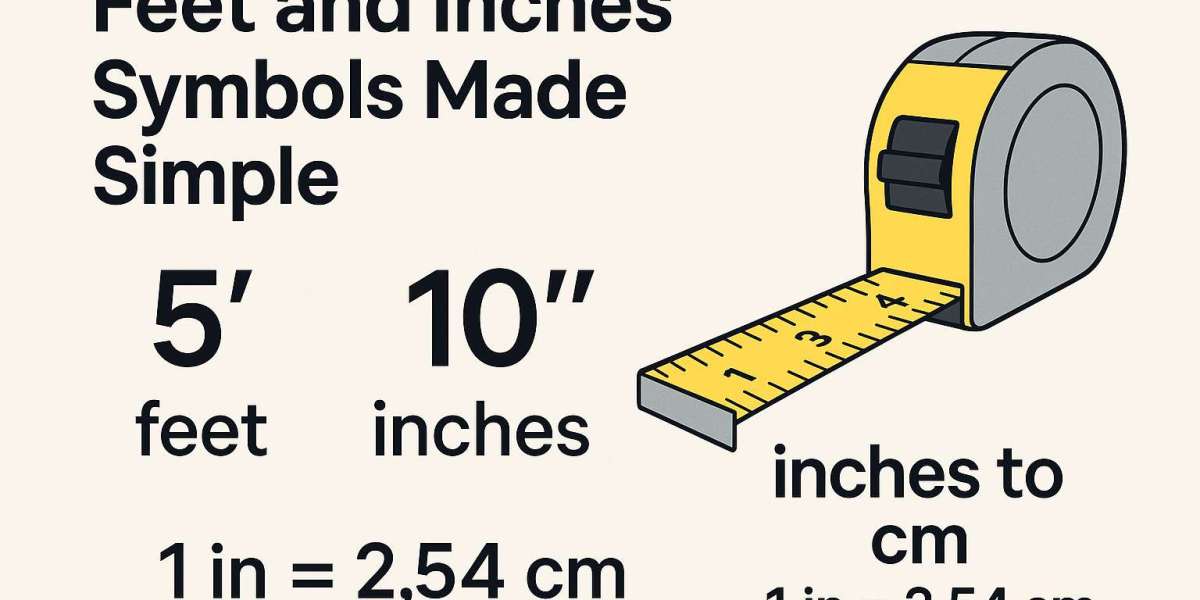
The standard symbol for a foot is a single prime mark. It looks like a short, slanted line and appears after the number, for example, 5′ for "five feet". The symbol for an inch is a double prime mark. It looks like two short lines together, for example, 8″ for "eight inches".
These marks are not the same as a basic apostrophe or straight quotation marks, even though many keyboards show only those characters. In professional typography, feet and inches use prime marks with a slight angle, while apostrophes and quotation marks are curved. In everyday digital writing, many people use straight quotes as a stand-in, but it helps to know the difference so you can format text correctly when it matters.
How to Write Feet and Inches in One Line
When you write a single measurement in feet, you place the number first and the foot symbol straight after it. For example, 6′ means six feet. For a single measurement in inches, you write 10″ for ten inches.
Combined measurements are just as simple. You write the feet first, then a space, then the inches. So "five feet eight inches" becomes 5′ 8″, and "six feet two inches" becomes 6′ 2″. There is no need to add the words "ft" or "in" if the symbols are present, as the primes already show the unit clearly.
When you show a range, such as door heights or room sizes, you can keep the same pattern. A door described as "six foot six to seven foot" could appear as 6′ 6″–7′ 0″. Using consistent symbols like this makes plans, brochures, and online listings easy for buyers, tenants, and contractors to read at a glance.
Typing Feet and Inches Symbols on Your Devices
Most UK users work on standard keyboards that do not show a dedicated feet or inches key. Instead, you type characters that represent the prime symbols. On Windows, many people use the apostrophe key for feet (') and the quotation mark key for inches ("). This gives you 5' 8" when you are in a hurry. In design tools or advanced word processors, you can insert true prime and double prime symbols from the "Insert symbol" menu or by using character codes.
On a Mac, you can also use the standard apostrophe and quotation keys for quick input. If you need typographic accuracy for publishing, you can insert the correct prime characters from the character viewer. On phones and tablets, pressing and holding the quotation mark key usually reveals extra options. For simple messages and notes, straight quotes are acceptable as long as you maintain a consistent style throughout your document.
Everyday UK Examples Using Feet and Inches
Feet and inches appear in many familiar UK settings. Clothing shops often display height guides for jackets or dresses in both centimetres and feet, with inches, so customers can quickly match their size. Estate agents may write room dimensions in both metres and feet to help buyers who naturally think in imperial units. A bedroom might be listed as "3.0 m x 2.7 m (9′ 10″ x 8′ 10″)", giving clear information for both systems.
DIY projects also rely on this notation. When you sketch a plan for shelves, a garden deck, or a small extension, writing 8′ 0″ instead of just "8ft" makes the drawing easier to read, especially if you mix several units on one page. The symbols keep your notes short but precise, which is useful when you share them with builders, tradespeople, or family.
Converting Feet and Inches to Metric Units
Although feet and inches remain popular in daily conversation, many UK standards use centimetres and metres. Converting between the two systems helps you compare furniture sizes, check planning rules, or understand product specifications given only in metric units.
To convert inches to centimetres, you multiply the number of inches by 2.54, because one inch equals exactly 2.54 cm. When you have a height or length written in feet and inches, you first turn the feet into inches by multiplying by twelve, add the remaining inches, and then convert the total to centimetres.
If you prefer not to calculate by hand, you can use an online converter. A simple way is to open a reliable tool and enter your values directly. For example, the dedicated converter from inches to cm lets you enter any inch value and see the centimetre result instantly, which is very helpful when comparing UK product listings or checking sizes before you buy.
Style Tips for Clear, Professional Writing
Consistent style makes your measurements look more trustworthy. In informal messages or quick notes, you can keep using "5ft 8in" or "6' 2" as long as you choose one method and stick with it. In more formal UK documents, such as reports, property listings, or technical sheets, it often works best to show the metric measurement first, followed by the imperial value in brackets with the correct symbols.
For example, you might write "Ceiling height: 2.4 m (7′ 10″)" in a brochure. This approach respects UK readers who prefer metric while still supporting those who think in feet and inches. It also makes it easier for international readers to understand your figures without extra explanation.
Quick Recap and Key Takeaways
Feet and inches use simple, powerful symbols: a single prime mark for feet and a double prime mark for inches. Writing measurements as 5′ 8″ or 6′ 2″ keeps your text compact yet clear. By learning how to type these symbols on your devices, and by pairing them with clean, consistent formatting and easy conversions to centimetres, you can present measurements in a way that suits modern UK readers, whether they favour imperial, metric, or a mix of both.