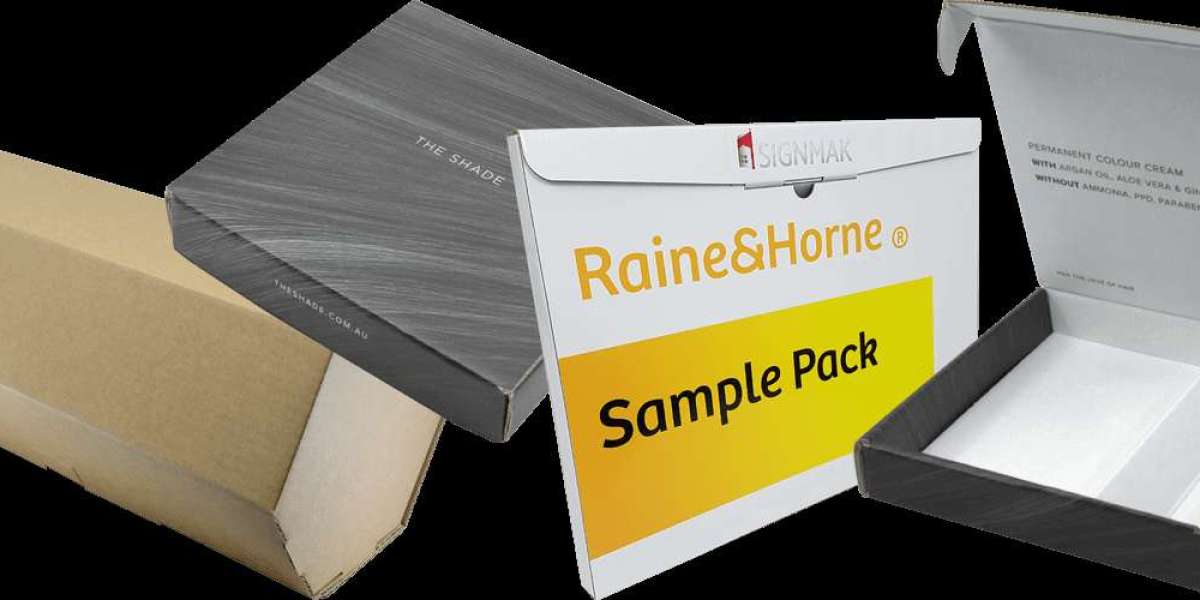
When someone joins the team and asks what industrial packaging really involves, I usually tell them it’s much more than simply putting products inside boxes. It’s about protecting goods through every stage of handling, storage, and transport. Over the years, I’ve seen how small packaging decisions can either prevent damage or create major logistical problems.
Let me walk you through the way I usually explain it to a new colleague during their first week on the job.
Start with the Real Purpose of Industrial Packaging
One of the first things people misunderstand is the purpose behind industrial packaging. Many beginners assume packaging is mainly for appearance, but in industrial environments the priority is protection and efficiency.
In practical terms, industrial packaging must:
Protect products during transport and storage
Handle heavy loads without collapsing
Reduce the risk of contamination or damage
Make stacking, lifting, and moving easier for workers
I remember a new staff member once focusing too much on the outer carton design while ignoring the internal cushioning. During transit, the items shifted inside the box and several units arrived scratched. That experience quickly taught them that internal protection matters just as much as the outer packaging.
Learn How Different Materials Are Used
Another thing you’ll notice quickly is that industrial packaging uses a wide variety of materials. Each one serves a specific purpose depending on the type of product being shipped.
Some common materials include:
Corrugated cardboard for lightweight to medium-weight items
Wooden crates for heavy machinery or equipment
Plastic pallets and containers for reusable transport
Foam inserts or molded padding to protect fragile components
Stretch wrap and strapping to secure loads on pallets
Early in my career, I underestimated the importance of choosing the right pallet size. We packed a shipment perfectly, but the pallet dimensions didn’t match the warehouse racking system. That mistake forced the team to repack everything before shipping.
Pay Attention to Load Stability
One lesson you’ll learn quickly is that packaging doesn’t stop at the box itself. The way items are stacked and secured plays a huge role in preventing damage.
In real operations, workers focus on:
Even weight distribution across pallets
Proper stacking patterns to avoid leaning loads
Tight wrapping to stop boxes from shifting
Using corner protectors to prevent strap damage
I once saw a pallet collapse simply because the heavier cartons were stacked on top of lighter ones. It looked stable at first, but after a forklift moved it across the warehouse, the bottom layer gave way.
That situation made everyone realize how important load planning is.
Understand the Role of Protective Inserts
Protective inserts often get overlooked by new employees, but they can make a huge difference.
Inserts are designed to:
Hold products in fixed positions
Prevent items from colliding during movement
Absorb vibration during long transport routes
Keep delicate parts separated from each other
A few years ago, I worked on a shipment where metal components kept arriving with small dents. The packaging looked fine from the outside. Eventually we discovered that the parts were slightly shifting inside the carton. Adding molded foam inserts solved the problem completely.
Always Think About Handling and Transport
Industrial packaging must consider how goods will actually be handled throughout the supply chain.
That includes thinking about:
Forklift lifting points
Weight limits for manual handling
Compatibility with shipping containers
Ease of loading and unloading
During a discussion with a logistics partner at Inbox Group, someone pointed out how a small design change in packaging reduced loading time significantly. The boxes were redesigned to stack more efficiently, which allowed trucks to carry more units per trip.
Small adjustments like that can improve both safety and operational efficiency.
Avoid Common Beginner Mistakes
Every new team member makes a few mistakes when learning about industrial packaging. The key is understanding them early.
Some common beginner errors include:
Choosing packaging based only on cost rather than durability
Ignoring how products move inside the box
Overlooking environmental factors like moisture or temperature
Forgetting to label packages properly for handling instructions
One colleague once packed metal components without considering humidity during overseas transport. By the time the shipment arrived, condensation had caused surface rust. After that incident, moisture barriers became part of our standard process.
Think About Efficiency and Sustainability
Modern industrial packaging also focuses on reducing waste and improving sustainability.
Companies now explore options like:
Reusable containers and pallets
Recyclable materials
Lightweight designs that reduce shipping weight
Packaging systems that minimize excess material
In one project I worked on, switching from traditional wooden crates to reinforced corrugated packaging saved both weight and cost while still protecting the products effectively.
Final Advice for Someone New
If you’re just starting in this field, the most important thing to remember is that industrial packaging is part of the logistics system, not just a final step before shipping.
Pay attention to how products move through the warehouse, how they’re loaded onto trucks, and how they’re received at the destination. Every stage influences the type of packaging required.
The more time you spend observing real shipments and talking with experienced team members, the faster you’ll understand why certain packaging decisions matter. Over time, those small details will start to make sense, and you’ll begin designing packaging solutions that protect products while keeping operations running smoothly.