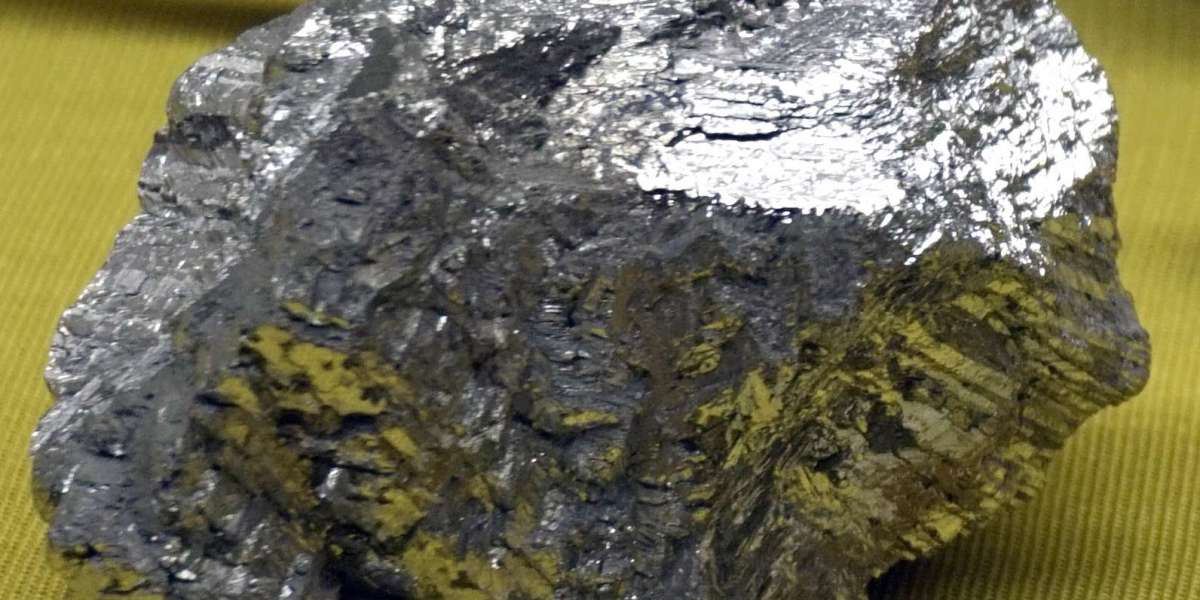
The antimony market analysis is gaining steady attention in the global metals and materials industry as industries increasingly depend on specialized elements to improve safety, efficiency, and durability in manufacturing. Antimony is a versatile metalloid widely used in flame retardants, battery alloys, semiconductors, and specialty chemicals. Due to its unique properties, including corrosion resistance and thermal stability, antimony plays a vital role in many modern industrial processes. With growing industrialization and technological advancements, the demand for antimony-based materials is steadily expanding across multiple sectors.
Key Factors Driving the Antimony Market
Several factors are contributing to the steady growth of the antimony market worldwide. One of the most important drivers is the rising demand for fire-resistant materials. Antimony trioxide is commonly used as a synergistic agent in flame retardant formulations for plastics, textiles, rubber, and coatings. These materials are widely used in electrical equipment, building materials, consumer products, and automotive components.
As governments and regulatory bodies continue to enforce strict fire safety standards, manufacturers are increasingly incorporating flame retardant materials into their products. This growing emphasis on safety is significantly increasing the demand for antimony compounds in various industries.
Role of Antimony in Battery Production
Another major growth contributor in the antimony market is the battery industry. Antimony is commonly alloyed with lead to increase the mechanical strength and lifespan of lead-acid batteries. These batteries remain widely used in automobiles, backup power systems, renewable energy storage, and industrial machinery.
Although lithium-ion batteries are gaining popularity in many applications, lead-acid batteries continue to dominate several markets due to their cost efficiency and high recyclability. The steady demand for vehicles and power backup systems worldwide ensures consistent consumption of antimony in battery manufacturing.
Expanding Applications in Electronics
The electronics industry is also an important consumer of antimony. Antimony compounds are used in semiconductor devices, infrared detectors, diodes, and circuit boards. These applications require materials that provide excellent electrical conductivity and thermal resistance.
The increasing global demand for smartphones, computers, smart appliances, and communication technologies has accelerated the growth of semiconductor manufacturing. As electronic devices become more advanced and compact, manufacturers rely on high-performance materials such as antimony to improve device efficiency and durability.
Infrastructure Development Supporting Market Growth
Infrastructure expansion across developing regions is another key factor boosting the antimony market. Rapid urbanization has resulted in an increased need for residential buildings, transportation networks, and industrial facilities. Construction materials used in these projects often require flame retardant additives to enhance fire safety.
Antimony-based compounds are widely used in insulation materials, coatings, plastics, and composite structures to improve fire resistance. As construction activities continue to grow globally, the demand for antimony-based flame retardants is expected to rise significantly.
Regional Market Outlook
The Asia-Pacific region currently holds the largest share of the global antimony market. Strong industrial growth, expanding electronics manufacturing, and large-scale construction projects contribute to high demand in this region. Countries with strong manufacturing sectors continue to utilize antimony in various industrial processes.
North America and Europe also represent significant markets for antimony. These regions focus heavily on technological innovation, advanced manufacturing, and strict safety regulations. Industries such as aerospace, defense, and high-end electronics continue to require antimony-based materials for specialized applications.
Market Challenges
Despite positive growth prospects, the antimony market faces certain challenges. One of the major issues is the limited geographical distribution of antimony reserves. Production is concentrated in a few regions, which can create supply chain risks and price volatility.
Environmental concerns related to mining activities also affect the industry. Governments are implementing stricter environmental regulations to minimize the ecological impact of mining operations. Compliance with these regulations may increase production costs for companies operating in the antimony sector.
Emerging Opportunities
To address supply challenges and environmental concerns, companies are increasingly investing in recycling technologies. Antimony can be recovered from used lead-acid batteries and industrial waste, allowing manufacturers to reduce reliance on primary mining sources.
Research and development activities are also exploring new uses for antimony in advanced materials and energy technologies. Scientists are studying its potential role in next-generation batteries, renewable energy systems, and high-performance alloys. These emerging applications could create new growth opportunities for the antimony market in the coming years.
Future Outlook
The long-term outlook for the antimony market remains positive as industries continue to prioritize safety, efficiency, and technological innovation. The growing adoption of flame retardant materials, the continued demand for lead-acid batteries, and the expansion of the electronics sector are expected to support market growth.
As companies focus on sustainable mining practices, recycling initiatives, and technological advancements, the antimony market is likely to experience stable expansion. The increasing integration of antimony into modern industrial processes ensures its continued relevance in the global materials industry.