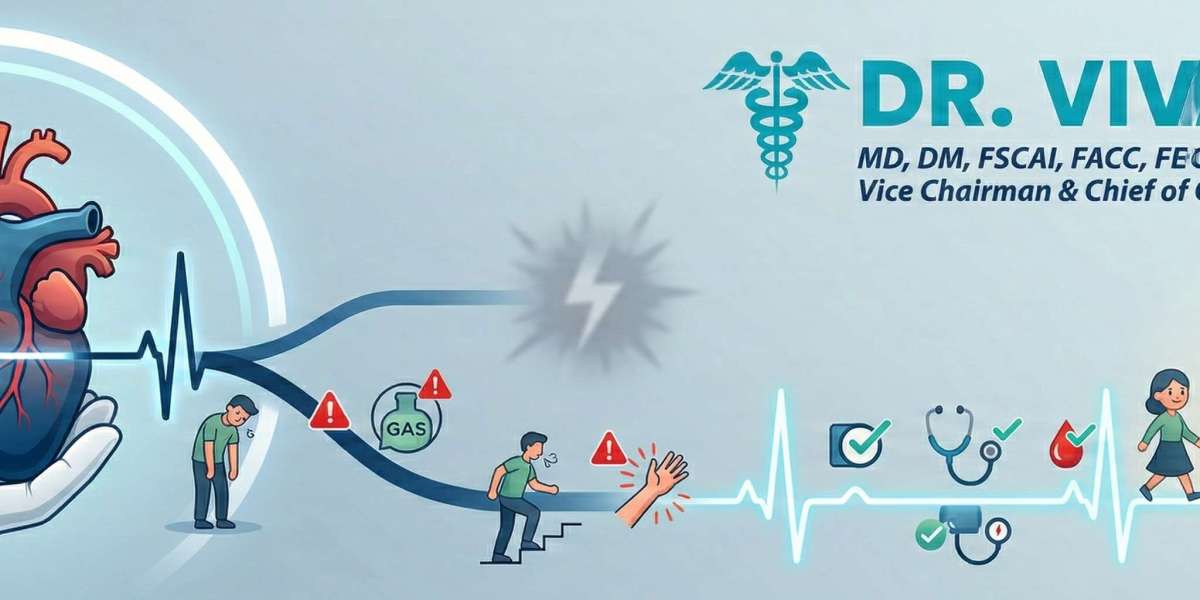
When most people think about heart disease, they imagine one dramatic moment: a sudden heart attack, an ambulance, an emergency room. But here’s the truth most people don’t realize, heart problems usually begin quietly. Weeks. Months. Sometimes even years before that emergency. The real danger? The early signs are subtle, easy to ignore, and often mistaken for “normal stress” or “getting older.” If you’re reading this, you’re already doing the right thing. Let’s break down what really happens before a heart attack, and what you can do today to prevent one.
The Early Signs Most People Overlook
Heart disease rarely starts with crushing chest pain. It usually begins with signals your body whispers before it screams.
1. Unusual Fatigue
You feel tired, but not the “I didn’t sleep well” kind.
This is:
- Ongoing exhaustion
- Low energy even after rest
- Feeling drained after simple activities
Why it happens: When arteries begin to narrow, your heart works harder to pump blood. That extra strain shows up as fatigue.
Action Step: If you feel unexplained fatigue lasting more than two weeks, don’t brush it off. Schedule a check-up with a heart doctor.
2. Mild Chest Discomfort (Not Severe Pain)
Not everyone experiences sharp pain. Instead, it may feel like:
- Tightness
- Pressure
- Burning sensation
- Mild squeezing
It might come and go. It might happen while walking fast or climbing stairs.
Many people assume it’s gas or acidity. Sometimes it is. But sometimes, it’s your heart asking for help.
Real-world example: A 42-year-old corporate professional ignored “gas pain” for three months. It turned out to be 70% blockage in a coronary artery, detected just in time through a stress test.
3. Shortness of Breath
If you find yourself:
- Getting breathless while talking
- Struggling while climbing stairs
- Needing more breaks during routine activity
It may not be your fitness level. It could reduce blood flow to the heart.
The heart and lungs work as a team. When the heart struggles, breathing becomes harder.
4. Pain in Unexpected Areas
Heart-related discomfort can radiate to:
- Left arm
- Both shoulders
- Jaw
- Neck
- Upper back
Especially in women, symptoms may be less obvious and more widespread.
5. High Blood Pressure & Silent Risk Factors
Some of the biggest heart risks have no symptoms at all:
- High blood pressure
- High cholesterol
- Diabetes
- Obesity
- Family history
You can feel perfectly “fine” and still be at risk.
That’s why prevention matters more than panic.
Why Waiting for Symptoms Is a Mistake
Here’s something important:
- By the time a heart attack happens, plaque buildup has usually been developing for years.
- Prevention isn’t dramatic. It’s quiet. It’s consistent. It’s proactive.
- And that starts with the right evaluation.
Many people delay seeing a specialist because they think:
- “I’m too young.”
- “I exercise sometimes.”
- “It’s probably stress.”
But heart disease is increasingly affecting people in their 30s and 40s, especially with modern sedentary lifestyles and high stress levels. If you’re unsure whether your symptoms are serious, review resources from an experienced heart doctor like those available at Dr. Viveka Kumar website can help you understand when to seek evaluation.
What a Heart Doctor Actually Checks (And Why It Matters)
Visiting a heart doctor doesn’t automatically mean surgery or scary procedures.
It usually begins with:
Basic Evaluation
- Blood pressure check
- Lipid profile
- Blood sugar test
- ECG
Advanced Screening (If Needed)
- Echocardiography
- TMT (Stress test)
- CT Coronary Angiography
- Holter monitoring
The goal isn’t to treat a heart attack. It’s to prevent one. If you want to understand how comprehensive heart assessments work, you can explore detailed cardiac care insights on Dr. Viveka Kumar, it explains various evaluation options in simple, patient-friendly language.
5 Things You Can Start Doing Today
You don’t need a dramatic lifestyle overhaul. Small, consistent changes protect your heart more effectively than extreme short-term efforts.
1. Walk 30 Minutes Daily
Brisk walking improves circulation, lowers blood pressure, and strengthens your heart muscle. Start with 10 minutes if needed. Increase gradually.
2. Check Your Numbers
Know your:
- Blood pressure
- LDL cholesterol
- Blood sugar
If you’re over 30, annual screening is not optional, it’s responsible.
3. Reduce Hidden Stress
Chronic stress increases inflammation and blood pressure.
Simple daily reset:
- 5-minute deep breathing
- 10-minute device-free time
- Short stretch breaks during work
4. Improve Sleep Before Dieting
Poor sleep raises heart risk significantly.
Aim for:
- 7–8 hours nightly
- No screens 45 minutes before bed
- Fixed sleep timing
5. Don’t Ignore Persistent Symptoms
If discomfort, fatigue, or breathlessness continues beyond 1–2 weeks, consult a heart doctor. Early intervention often means medication and lifestyle changes, not surgery.
Who Should Be Extra Careful?
You need proactive screening if you:
- Have a family history of heart disease
- Have diabetes or high BP
- Smoke (even socially)
- Live a sedentary lifestyle
- Experience chronic stress
Prevention is far easier, and far less expensive, than emergency care.
The Bigger Truth About Heart Health
Heart attacks are not sudden random events.
They are usually the result of:
- Long-term inflammation
- Gradual artery narrowing
- Ignored warning signs
- Delayed check-ups
The good news?
Most heart problems are preventable when caught early.
- You don’t need fear.
- You need awareness.
- And the right guidance at the right time.
If you’d like to better understand heart risk assessment, early diagnosis, and treatment approaches from an experienced heart doctor, you can explore more patient-focused information at Dr. Viveka Kumar. Your heart doesn’t fail overnight. And protecting it doesn’t require panic, just timely action. Start today.