
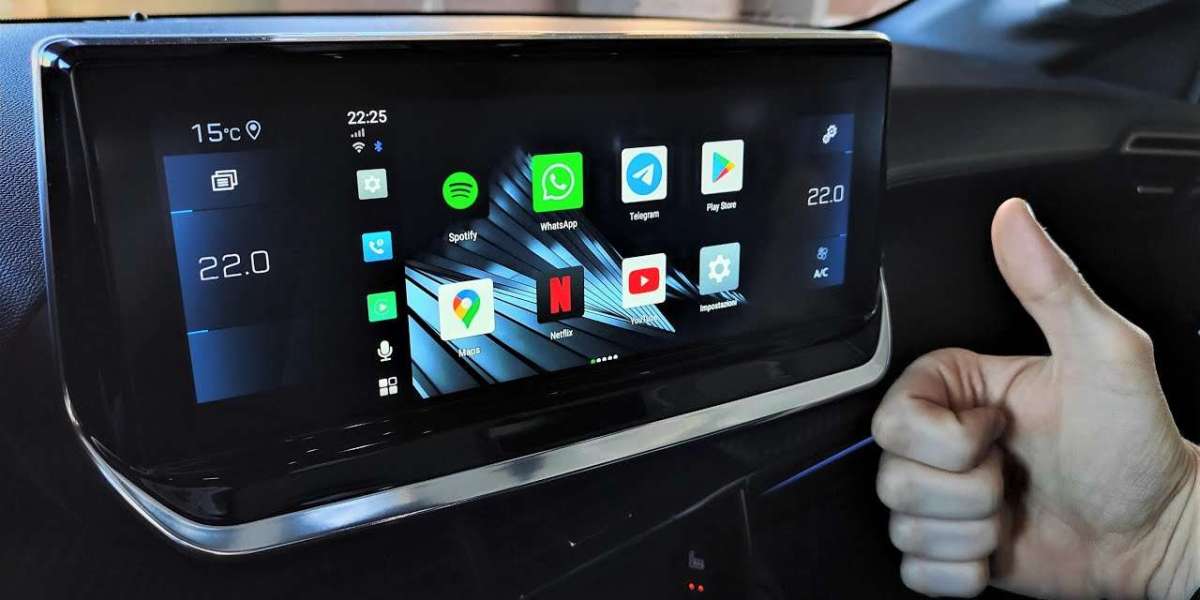
Auto Infotainment Market Hindrances
The auto infotainment market has become a cornerstone of modern automotive experiences. What once was limited to basic radio, CD players, and navigation systems has now evolved into highly sophisticated digital ecosystems integrating connectivity, artificial intelligence, multimedia entertainment, and vehicle management. These systems enhance driver engagement, passenger comfort, and overall vehicle functionality. However, despite the rapid technological growth and high consumer interest, the market faces numerous hindrances that can slow adoption, increase costs, and limit innovation.
This article explores the key hindrances in the auto infotainment market, discussing technological, economic, regulatory, and consumer-driven challenges that shape the industry today.
Technological Complexity
One of the most significant hindrances in the auto infotainment market is technological complexity. Modern infotainment systems integrate multiple functions such as high-definition navigation, media streaming, AI-driven personalization, voice recognition, telematics, and climate control into a single interface.
Managing these systems requires powerful processors, high-capacity memory, and robust software architectures. Each added feature increases the potential for system instability, software conflicts, or performance lag. Integrating multiple vehicle subsystems, third-party applications, and cloud services further complicates development. Automakers must invest heavily in research and development to ensure smooth, reliable, and high-performing systems.
Software Reliability and Maintenance
Software reliability is a critical barrier. Infotainment systems rely on embedded software that must remain compatible with vehicle hardware, operating systems, and external applications. Bugs, crashes, or glitches can negatively affect user experience and reduce consumer trust.
Over-the-air (OTA) updates provide a solution, but they also introduce complexity. Updates must be thoroughly tested for compatibility and security, which can be resource-intensive. Moreover, maintaining software throughout a vehicle’s lifecycle adds ongoing operational costs and may limit the functionality of older models, affecting long-term market adoption.
Cybersecurity and Data Privacy
Connectivity is a double-edged sword for infotainment systems. While it enables advanced features like real-time navigation, media streaming, predictive maintenance, and cloud integration, it also exposes vehicles to cybersecurity risks. Hackers may exploit vulnerabilities in infotainment systems to access vehicle controls or personal data, creating safety and privacy concerns.
Data privacy is another major concern. Infotainment systems collect sensitive information, including location data, driving habits, media preferences, and contact lists. Protecting this data while complying with global privacy laws is complex, particularly for vehicles sold across multiple regions. Any breach can damage brand reputation and hinder market growth.
Integration with Smartphones and Third-Party Applications
Smartphone integration has become an expectation for consumers, with platforms like Apple CarPlay and Android Auto allowing users to mirror their devices on in-car screens. However, this creates hindrances for automakers.
Reliance on third-party platforms limits the ability of manufacturers to differentiate their systems. Compatibility issues with different phone models, operating systems, or apps can result in inconsistent performance. Ensuring continuous updates and smooth integration adds to development complexity and operational costs.
High Development and Production Costs
The cost of developing modern infotainment systems is a substantial hindrance, particularly for manufacturers targeting mid-range or budget vehicle segments. High-resolution displays, premium audio systems, AI processing units, connectivity modules, and sensors contribute to higher production costs.
Balancing affordability with advanced functionality is challenging. In emerging markets, consumers prioritize basic vehicle features, limiting the viability of high-end infotainment systems. Cost constraints can therefore slow market adoption and restrict the rollout of advanced systems across global regions.
User Experience and Interface Design
User experience (UX) remains a critical barrier. Modern infotainment systems integrate numerous features, which can overwhelm users if the interface is not intuitive. Complex menus, multi-layered controls, or unclear voice commands can distract drivers and reduce overall satisfaction.
Automakers must develop interfaces that accommodate multiple interaction methods—touch, voice, gesture, and steering wheel controls—while remaining safe and accessible. Systems must also cater to multiple users, including passengers, requiring adaptable interfaces that provide a consistent and engaging experience. Poor UX design can limit consumer adoption and reduce the perceived value of sophisticated features.
Infrastructure Limitations in Emerging Markets
Connectivity-dependent infotainment features require stable high-speed networks. In emerging markets, limited 4G/5G coverage, low smartphone penetration, and inconsistent electricity supply hinder the functionality of modern systems.
Automakers face the challenge of creating solutions that work in low-connectivity environments while still offering engaging and reliable infotainment. Adapting systems for regional infrastructure differences adds complexity, increases development costs, and can slow global market growth.
Rapid Technological Evolution
The fast pace of technological change in the auto infotainment sector presents a persistent hindrance. AI, cloud-based services, augmented reality, advanced voice assistants, and predictive analytics evolve quickly, making systems rapidly outdated.
Automakers must continually invest in research and development to stay ahead, increasing operational costs. Rapid innovation can also make systems more complex, creating tension between feature richness, reliability, cost-effectiveness, and usability. Keeping pace with evolving technology is essential but challenging, especially when aiming to maintain long-term support for vehicles over multiple years.
Regulatory and Safety Compliance
Compliance with regulations is another significant hindrance. Governments and safety authorities enforce standards around driver distraction, data security, wireless communications, and user interface design. Infotainment systems must deliver advanced functionality while remaining safe and compliant with regional regulations.
Navigating varying global standards adds complexity to development and can delay product launches. Non-compliance may result in fines, recalls, or restricted market access, making regulatory adherence both a technical and operational challenge.
Consumer Awareness and Adoption
Consumer perception influences market adoption but can also act as a barrier. While younger, tech-savvy users often demand advanced infotainment features, cost-sensitive or older demographics may prioritize traditional vehicle functionality.
Concerns about complexity, cybersecurity, and privacy further affect adoption. Automakers must invest in consumer education, highlighting safety, usability, and value-added benefits to encourage widespread acceptance. Lack of awareness or trust can slow the growth of sophisticated infotainment systems.
Maintenance and Lifecycle Challenges
Infotainment systems require ongoing maintenance to remain functional. Unlike mechanical components, software updates, security patches, and sometimes hardware replacements are necessary to ensure continued performance.
Managing the lifecycle of these systems across multiple vehicle models and production years is a logistical challenge. Failure to provide adequate support can reduce system longevity, increase service costs, and negatively impact consumer satisfaction.
Strategies to Overcome Hindrances
Automakers and technology providers can address these hindrances through multiple approaches:
Secure Systems: Implement robust cybersecurity protocols, data encryption, and continuous monitoring.
User-Friendly Design: Develop intuitive, accessible, and adaptable interfaces for drivers and passengers.
Scalable Platforms: Use modular hardware and software architectures to simplify integration and reduce costs.
Localized Solutions: Adapt features to infrastructure and connectivity constraints in emerging markets.
Consumer Education: Build trust by highlighting system benefits, usability, and security.
Lifecycle Support: Ensure consistent software updates, maintenance, and technical support across the vehicle lifecycle.
Conclusion
The auto infotainment market offers tremendous potential to redefine in-vehicle experiences through connectivity, AI, and multimedia integration. However, the sector faces multiple hindrances that limit growth, adoption, and innovation.
Technological complexity, software reliability, cybersecurity, smartphone integration, high costs, user experience challenges, infrastructure limitations, regulatory compliance, and consumer awareness all act as barriers. Overcoming these requires secure, intuitive, and scalable solutions, strategic planning, and consumer-focused approaches.
Addressing these hindrances will allow automakers to deliver smarter, safer, and more connected infotainment systems, creating engaging experiences for drivers and passengers while driving long-term market growth.