Unlocking Stage 2–3 Lipo Results: How the Right Compression Shorts Elevate Recovery and Contouring
In the world of liposuction recovery, the first few days after surgery are only part of the story. The real transformation happens over the next several weeks, during Stage 2–3, when swelling subsides, patients return to light activity, and the final contours of the body begin to emerge. At this stage, the compression garment becomes less about basic protection and more about precision shaping. Among the latest innovations designed for this phase, advanced compression shorts have emerged as a powerful tool, combining medical-grade support with aesthetic refinement.
This article explores why Stage 2–3 compression shorts are critical for lipo patients, what features actually matter, and how a professional manufacturer in China helps brands deliver high-quality, clinically informed garments to the market.
Why Stage 2–3 Compression Shorts Make a Difference
Stage 2–3 liposuction recovery is the window when the body shifts from acute healing to long-term contouring. By this point, most of the immediate post-surgical swelling has decreased, patients are moving more freely, and the skin is starting to adapt to the new fat distribution. However, this is also when tissue can shift unevenly if not properly supported, leading to asymmetry or soft, undefined lines.
Compression shorts designed specifically for this stage aim to stabilize the results of the procedure while encouraging the skin to conform to the newly sculpted frame. Unlike lighter garments worn in the acute phase, these shorts deliver graduated, targeted pressure that helps reduce residual edema, support tissue retraction, and smooth the silhouette. For patients, the payoff is a clearer, more defined contour with fewer surprises once compression is finally removed.
For brands and clinics, this phase represents a strategic opportunity. A well-designed Stage 2–3 compression short can improve patient satisfaction, shorten recovery timelines, and enhance perceived results. At the same time, it must remain comfortable enough for daily wear, since adherence is closely tied to outcomes.
What Makes a High-Performing Compression Short Different
Not all compression shorts are created equal. Generic post-surgical garments may offer basic tightness, but they often lack the structural intelligence needed for Stage 2–3. High-performing compression shorts typically share several key characteristics:
- Targeted, layered compression that focuses pressure on the abdomen while preserving natural curves.
- Reinforced waist and hip stabilization to prevent roll-down during movement.
- Adjustable closures that let patients modulate compression as swelling decreases.
- Breathable, moisture-wicking fabrics that allow for extended wear without overheating.
- Seamless or low-profile construction to reduce visible lines under clothing.
These features reflect a deliberate engineering approach rather than a simple “tighter is better” philosophy. A compression short that rolls down, squeezes the wrong areas, or feels hot and uncomfortable will likely be abandoned before its benefits can fully manifest.
Brands seeking a standout product for Stage 2–3 recovery should look for garments that balance intensity with wearability. This means moving beyond basic fabric choices and examining how the garment is constructed: where seams lie, how the waistband behaves, and whether the design supports both the medical goals and the aesthetic expectations of the patient.
Architecture for Stability and Shape
One of the most impactful aspects of a high-end compression short is its internal architecture. Many Stage 2–3 shorts integrate multi-layer abdominal systems, using different fabrics to achieve a range of functions. A skin-contact layer might prioritize softness and moisture management, while outer layers deliver controlled compression and durability.
Some advanced designs also incorporate steel-bone reinforcements in critical areas. These rigid yet flexible elements act as a subtle exoskeleton, anchoring the waistline and keeping the garment from migrating upward or slipping downward. When properly positioned, steel bones can prevent roll-down during sitting, bending, or walking, allowing the compression profile to stay consistent throughout the day.
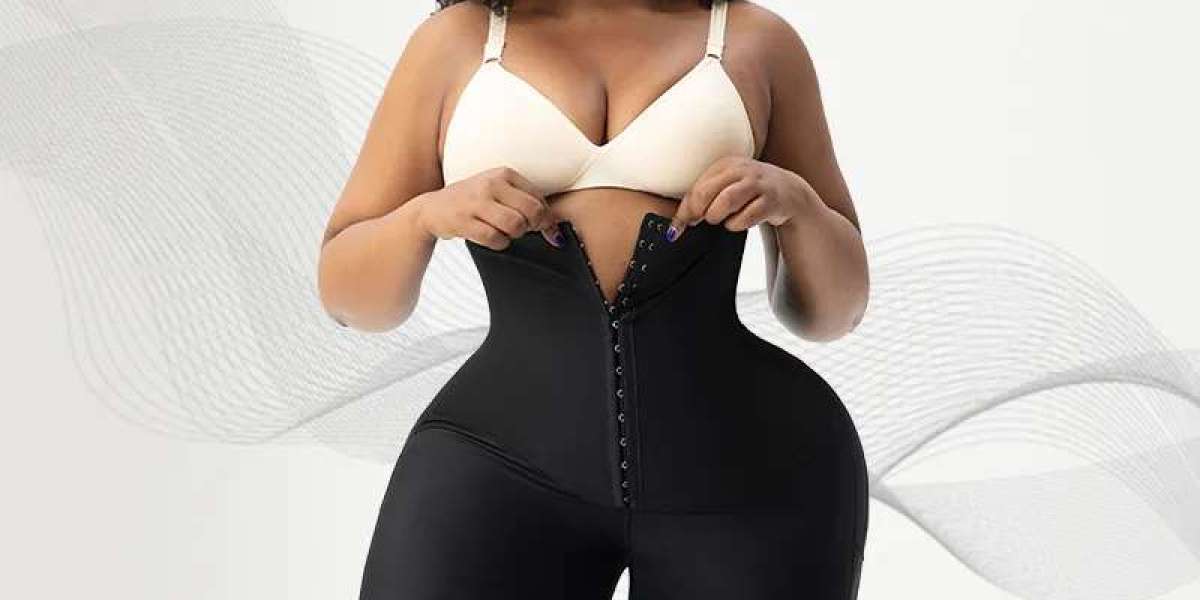
Another important innovation is the concept of zone-specific compression. Instead of applying uniform pressure across the entire lower body, cutting-edge shorts can create “zero-pressure” zones in the buttocks, allowing the glutes to retain their natural shape while the abdomen receives concentrated support. This approach is especially appealing for patients who desire an hourglass silhouette without flattening the buttocks—a common complaint with traditional one-piece garments.
All of these structural choices respond to the same core need: a garment that holds its place, stays effective, and looks good under clothing. For patients, this combination can make the difference between reluctantly wearing a compression short and actively choosing to wear it as part of their daily routine.
Functionality for Everyday Life
In addition to technical features, practical details determine how well a compression short integrates into real-world life. For example, multi-row adjustable closures let patients fine-tune the fit as their body changes, eliminating the need to buy multiple garments. Front zippers or open-crotch designs add convenience by reducing the need to fully remove the garment for bathroom breaks, which is particularly useful during long-term wear.
Comfort-oriented fabrics play an equally important role. Breathable, stretchy materials that recover after repeated use help the garment maintain its shape over multiple washes. Anti-slip technologies, such as silicone strips or reinforced waistbands, keep the garment in place without digging into the skin. These small details may seem minor, but they collectively influence how many hours per day the garment is actually worn—a key factor in its effectiveness.
From the patient’s perspective, a good compression short should feel like a support system, not a restriction. It should allow for movement, accommodate daily activities, and disappear under clothing. When these conditions are met, patients are more likely to comply with wearing recommendations, which in turn improves the final outcome of the liposuction procedure.
The Role of a Specialized Manufacturer in China
Behind every successful Stage 2–3 compression short is a manufacturer with a deep understanding of post-operative shapewear. Guangzhou Shixing Industrial Co., Ltd. represents a company that has spent over 17 years refining the design, production, and quality control of medical-grade compression garments. The factory integrates research, design, and manufacturing under one roof, ensuring that innovations move quickly from concept to market.
Quality control protocols include rigorous testing of materials, stitching, and structural elements. Each garment is inspected for compression consistency, seam strength, and functional components. The factory holds ISO9001:2015 and ISO13485:2016 certifications, underscoring its capability to produce safe, high-quality products for post-operative recovery.
For brands, partnering with a certified manufacturer in China offers several advantages. Stable monthly output, low minimum order quantities, and comprehensive customization services—from logo application to packaging—make it easier to introduce specialized products without over-committing to inventory. This combination of technical expertise and manufacturing flexibility helps brands turn experimental designs into scalable, market-ready garments.
Evaluating the Right Stage 2–3 Compression Short
When assessing a Stage 2–3 compression short for clinical use or retail sale, several criteria should guide the decision:
-Does the garment offer graduated, multi-layer compression tailored for late-stage liposuction recovery?
-Are there structural elements—such as steel bones or reinforced seams—that prevent roll-down during movement?
-Does the design include practical features, like adjustable closures and breathable fabrics, that enhance comfort and wearability?
-Is the manufacturer certified, with documented quality control and testing for compression retention?
Compression shorts that meet these criteria can significantly enhance the recovery experience for patients while providing brands with a competitive edge. In a market where consumers increasingly demand precision and comfort, Stage 2–3 compression shorts represent a strategic investment in both outcomes and brand reputation.