In the complex choreography of footwear manufacturing, few steps are as transformative as the shaping of the shoe upper. This is the moment when a flat, two-dimensional collection of leather pieces suddenly acquires volume and form, beginning to resemble the finished shoe that will eventually grace a consumer's foot. The process of shaping the upper around a last requires careful control of heat, moisture, and mechanical force, which is precisely why steaming machines and moulding machines have become essential equipment in modern shoe factories. These specialized devices soften and shape materials with precision, enabling manufacturers to produce consistently well-formed footwear that combines comfort with visual appeal.
The fundamental challenge in shoe upper formation lies in the nature of the materials themselves. Leather, synthetic fabrics, and composites all have inherent resistance to deformation. Forcing these materials into the complex curves of a shoe last without proper preparation would result in wrinkles, cracks, and permanent damage. Traditional methods relied on manual stretching and shaping, a slow process that demanded considerable skill and still produced inconsistent results. The development of industrial steaming and moulding technology transformed this situation entirely, giving manufacturers the ability to soften materials precisely where needed and form them accurately around the last before lasting even begins.
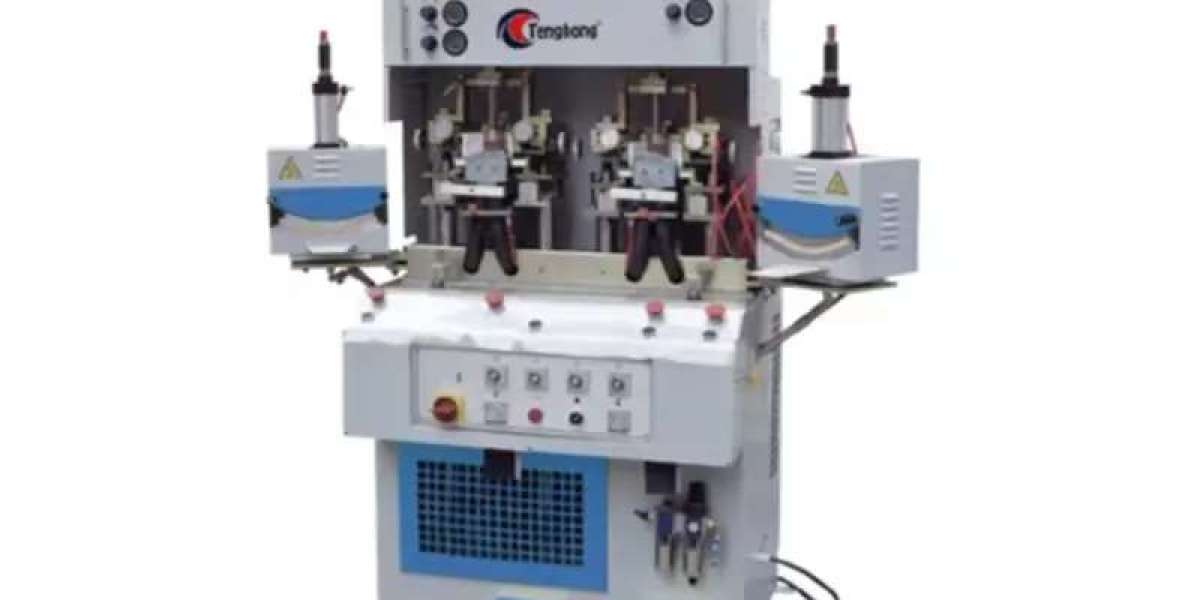
Steaming machines work by applying controlled bursts of high-temperature steam to specific areas of the shoe upper. The combination of heat and moisture temporarily relaxes the fibers, making the material highly pliable without causing damage. This is particularly important for the toe area, where the upper must stretch significantly to conform to the last's contours. A dedicated toe upper steaming machine, such as those available from leading Chinese manufacturers, directs steam precisely to the toe cap region, reactivating the stiffeners and softening the leather or synthetic material just enough to allow smooth, wrinkle-free lasting. The operator can control both the intensity and duration of steam application, ensuring that each material type receives exactly the treatment it needs.
The science behind this process is straightforward but elegant. Heat increases the mobility of polymer chains in synthetic materials, while moisture lubricates natural leather fibers, allowing them to slide past each other more easily. When these factors are applied together, the material becomes temporarily malleable, conforming readily to the last's shape. As the material cools and dries after lasting, it retains this new form, holding the precise contours established during the shaping process. This is why proper steaming before lasting makes such a dramatic difference in final shoe quality, reducing the force required during lasting and minimizing the risk of material damage.
Moulding machines take this concept further by combining heat with mechanical pressure to create permanent shape changes in shoe components. Toe moulding machines, for example, pre-form the toe cap area before the upper ever reaches the lasting line. These machines use heated dies that match the exact shape of the finished toe, pressing the material while applying heat to set a permanent curve. When this pre-moulded component later moves to the lasting station, it already approximates the final shape, reducing the work required and ensuring more consistent results. This pre-forming capability is especially valuable for shoes with pronounced toe springs or distinctive toe shapes, where achieving the correct form during lasting alone would be challenging.
The benefits of proper steaming and moulding extend throughout the entire production process. When uppers arrive at the lasting station already softened and partially shaped, lasting machines can operate more efficiently and with less force. This reduces wear on lasting machine components and extends equipment life, while also protecting the upper material from excessive stress. The finished shoes show fewer wrinkles and better overall shape retention, directly improving both appearance and comfort. For manufacturers producing high-end footwear where these qualities matter most, investing in quality steaming and moulding equipment is not optional but essential.
Modern shoe factories typically employ several types of steaming and moulding machines at different points in the production line. Steam forming machines provide general upper softening before lasting, preparing the entire upper for the forming process. Toe moulding machines create precise pre-forms for toe caps, ensuring consistent shape across all production runs. Vamp moulding machines shape the important instep area, which significantly affects fit and comfort. And for certain shoe types, chillers may follow the moulding process to set the shape quickly, locking in the formed contours before the material has time to relax. Each of these machines plays a specific role in the overall forming strategy, and when they work together effectively, the result is footwear with superior shape and fit.
The integration of steaming and moulding equipment with other production machinery deserves careful consideration. After steaming and moulding, uppers typically move to lasting machines, where the final forming occurs. The transition between these stations must be timed appropriately, as materials remain pliable for only a limited period after steaming. Factories with well-designed layouts position steaming stations close to lasting lines, minimizing transport time and ensuring that uppers reach the lasting machine while still optimally softened. This coordination is one of many reasons why sourcing equipment from a single trusted manufacturer can simplify operations, as compatible machines are designed to work together seamlessly.
China has established itself as a global leader in shoe machinery manufacturing, and steaming and moulding equipment represents an area of particular strength. Chinese manufacturers have invested heavily in understanding the thermal dynamics of different upper materials, developing machines that deliver precise temperature control and consistent steam application. These companies benefit from close relationships with the footwear producers who use their equipment, gaining practical insights that drive continuous improvement. The result is a range of steaming and moulding machines that combine advanced capabilities with practical durability, all at price points that make automation accessible to manufacturers worldwide. Guangdong Tenghong Machinery Technology Co., Ltd., operating from the heart of Dongguan's shoe manufacturing region, exemplifies this combination of technical sophistication and practical value that has made Chinese machinery the preferred choice for footwear producers across multiple continents.
Several factors deserve careful attention when selecting steaming and moulding equipment for a shoe production line. Temperature control accuracy is perhaps most important, as different materials require specific temperature ranges for optimal softening without damage. Machines with digital controls and closed-loop feedback systems offer the precision needed for consistent results across varying material types. Steam delivery consistency matters equally, as uneven steam application produces uneven softening and inconsistent forming. Look for machines with well-designed steam distribution systems that ensure every part of the treated area receives the same treatment. Cycle time affects overall production throughput, so consider how quickly the machine can process each upper and whether multiple units may be needed to keep pace with downstream lasting operations. Energy efficiency also deserves attention, as steaming and moulding machines run continuously in high-volume production and their operating costs accumulate over time.
The range of materials processed in a typical shoe factory adds another layer of complexity to equipment selection. Natural leathers behave differently than synthetic materials when exposed to heat and moisture, and various synthetic formulations have their own unique characteristics. Advanced steaming and moulding machines offer adjustable parameters that accommodate this material diversity, allowing operators to store and recall settings for different material types. This flexibility enables a single machine to serve multiple production lines or to handle the varied requirements of a diverse product range, maximizing return on investment and simplifying factory operations.
Maintenance requirements for steaming and moulding equipment are relatively straightforward but important for long-term reliable operation. Steam systems require regular cleaning to prevent mineral buildup that can affect performance and eventually cause component failure. Heating elements and temperature sensors should be checked periodically to ensure they continue operating within specified parameters. Mechanical components such as presses and dies need inspection for wear, particularly in high-volume production environments where they cycle continuously. Manufacturers who provide clear maintenance guidelines and responsive after-sales support make it easier for factories to keep their equipment operating at peak performance, which is why supplier reputation deserves careful consideration during the selection process.
The business benefits of proper steaming and moulding extend well beyond the immediate quality improvements in finished shoes. Reduced material waste during lasting translates directly into cost savings, as fewer uppers are damaged or rejected due to forming problems. Improved consistency reduces the need for rework and quality inspection, streamlining production and lowering labor costs. Faster processing times at the lasting station increase overall production throughput, allowing the same equipment and floor space to produce more shoes per shift. And the superior shape retention achieved with properly prepared uppers contributes to better fit and longer shoe life, qualities that consumers recognize and reward with repeat purchases and positive recommendations.
For manufacturers producing shoes with complex designs or challenging materials, the value of quality steaming and moulding equipment becomes even more apparent. Shoes with pronounced toe springs, dramatic heel heights, or intricate cutout patterns place greater demands on upper materials, requiring more extensive forming to achieve the intended design. Materials such as patent leather, metallic finishes, or exotic skins have specific handling requirements that demand precise control over temperature and moisture. In these applications, basic steaming equipment may prove insufficient, and investment in advanced machines with finer control capabilities becomes essential for achieving acceptable results. Manufacturers who serve premium market segments understand this reality and equip their factories accordingly, recognizing that superior forming capability directly enables superior product positioning.
Looking toward the future, steaming and moulding technology continues to evolve in response to manufacturer demands for greater efficiency, flexibility, and sustainability. Recent innovations include machines with pre-programmed settings for hundreds of material types, reducing setup time and simplifying operator training. Energy recovery systems capture and reuse heat that would otherwise be wasted, lowering operating costs and environmental impact. Integration with factory management systems allows real-time monitoring of machine performance and predictive maintenance scheduling, minimizing unplanned downtime. And as sustainable materials gain market share, equipment manufacturers are developing new steaming and moulding profiles optimized for recycled and bio-based materials, ensuring that forming technology keeps pace with industry evolution.
The decision to invest in advanced steaming and moulding equipment represents a commitment to quality that resonates throughout an entire manufacturing organization. It signals to employees that management values proper processes and provides the tools needed to do excellent work. It tells customers that the company takes production seriously and invests in capabilities that directly affect product quality. And it positions the manufacturer to compete effectively across market segments, from volume-oriented basic production to premium offerings where forming quality visibly distinguishes superior products. In an industry where margins constantly face pressure, such strategic investments in core process capabilities provide foundation for sustainable competitive advantage.
Guangdong Tenghong Machinery Technology Co., Ltd., with its comprehensive range of steaming and moulding equipment backed by more than two decades of industry experience, offers footwear manufacturers the technology and support needed to excel in upper formation. Their machines combine precise control with rugged construction suited to continuous production environments, while their team of experienced professionals provides the guidance and after-sales support that transforms equipment purchases into successful production capabilities. For manufacturers serious about shoe quality, partnering with such an established Chinese manufacturer provides access to world-class forming technology at investment levels that deliver compelling return on investment. The science of shaping uppers may be complex, but with the right equipment and support, achieving perfect results becomes consistently achievable.