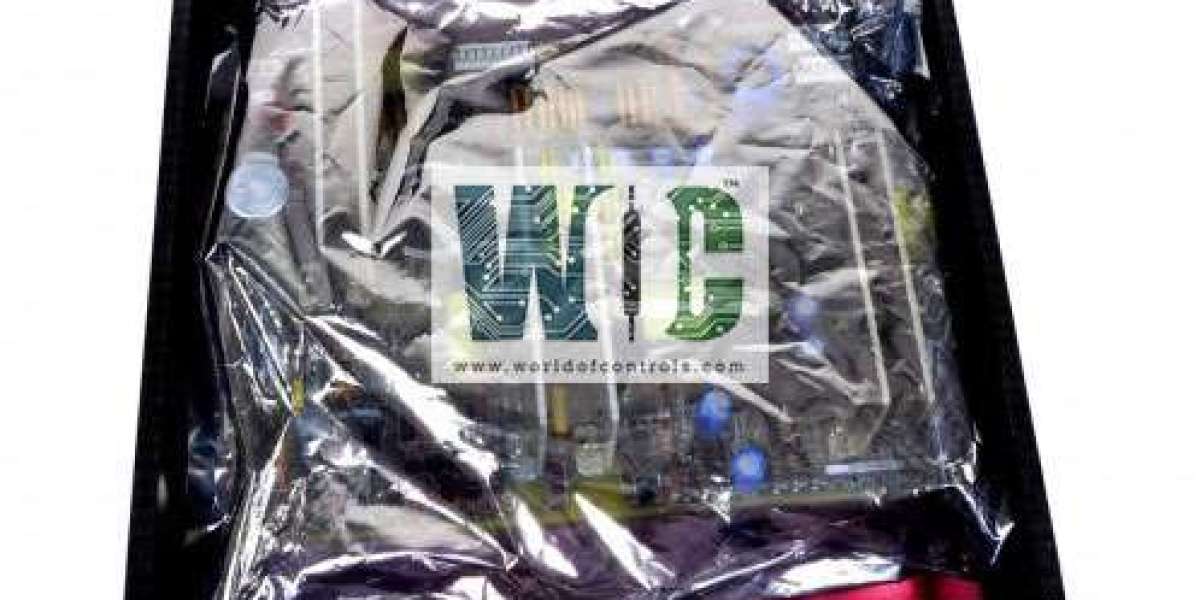
Introduction to Temperature Measurement in Turbine Control
Accurate temperature monitoring is fundamental to safe and efficient turbine operation. Gas and steam turbines function under extreme thermal stress, where even slight temperature deviations can influence combustion efficiency, component lifespan, and overall system stability.
Within control systems developed by GE, Simplex architectures rely on thermocouple interface boards to capture and process temperature data from critical turbine zones. These boards serve as the connection point between field-mounted thermocouples and the central control processor, ensuring precise signal transmission and dependable performance.
The Role of Thermocouple Interface Boards in Simplex Systems
Signal Acquisition and Conditioning
Thermocouples produce very small millivolt signals proportional to temperature differences. In turbine environments—where generators, excitation systems, and switching devices generate electrical noise—these signals must be carefully conditioned before reaching the controller.
A GE Simplex thermocouple interface board performs several essential functions:
- Accepts multiple thermocouple inputs
- Filters electrical noise and interference
- Provides cold junction compensation
- Ensures proper grounding and isolation
- Transmits conditioned signals to the control processor
Without proper signal conditioning, inaccurate readings could trigger false alarms or fail to detect genuine overheating conditions.
Integration Within Simplex Architecture
In a Simplex configuration, a single controller manages the turbine’s operational logic. The thermocouple interface board integrates directly with this controller, creating a streamlined and cost-effective temperature monitoring path.
Although Simplex systems do not include the redundancy of triple modular architectures, they are widely deployed in applications where reliability and efficiency must be balanced with system simplicity.
Engineering Design Principles Behind Interface Boards
Noise Immunity and Electrical Protection
Turbine control cabinets are electrically intense environments. Interface boards are engineered with:
- Shielded input channels
- Isolation circuits to prevent ground loops
- Surge protection components
- Precision filtering networks
These features protect sensitive temperature signals from distortion and ensure stable data for control algorithms.
Thermal and Mechanical Durability
Interface boards must endure continuous operation in industrial conditions. Engineering considerations include:
- High-quality PCB materials resistant to heat
- Industrial-grade terminal blocks
- Secure mounting to withstand vibration
- Long-life electronic components
This durability ensures reliable temperature feedback over extended operational cycles.
Importance in Turbine Protection and Performance
Temperature is a primary parameter in turbine protection logic. Exhaust temperature spreads, combustion chamber heat levels, and bearing temperatures all influence automated decision-making within the control system.
Reliable thermocouple interface boards help:
- Prevent blade overheating
- Maintain combustion stability
- Optimize fuel efficiency
- Reduce forced outages
- Support predictive maintenance strategies
When temperature data is accurate and stable, operators can maintain tighter control margins and improve overall plant performance.
Applications Across the Turbine Industry
Thermocouple interface boards are integral to:
- Gas turbine power plants
- Steam turbine installations
- Combined-cycle facilities
- Industrial cogeneration systems
In each of these environments, temperature readings feed into real-time monitoring systems that regulate fuel flow, manage load distribution, and initiate protective shutdowns if thresholds are exceeded.
By maintaining signal integrity from sensor to controller, these boards directly contribute to operational safety and energy efficiency.
Maintenance and Lifecycle Considerations
While thermocouple interface boards are designed for longevity, periodic inspection is essential. Best practices include:
- Checking terminal tightness
- Inspecting for corrosion or discoloration
- Verifying signal calibration
- Replacing aging boards during system upgrades
Proactive maintenance reduces the risk of inaccurate readings and unplanned downtime.
Conclusion
GE Simplex thermocouple interface boards are foundational components in turbine control systems. They bridge the gap between field instrumentation and the digital control environment, transforming low-level thermocouple signals into actionable temperature data.
Through careful engineering focused on accuracy, durability, and electrical protection, these boards support turbine safety, efficiency, and long-term reliability. In the demanding conditions of the turbine industry, dependable temperature interface technology is not optional—it is essential to sustaining high-performance energy operations.