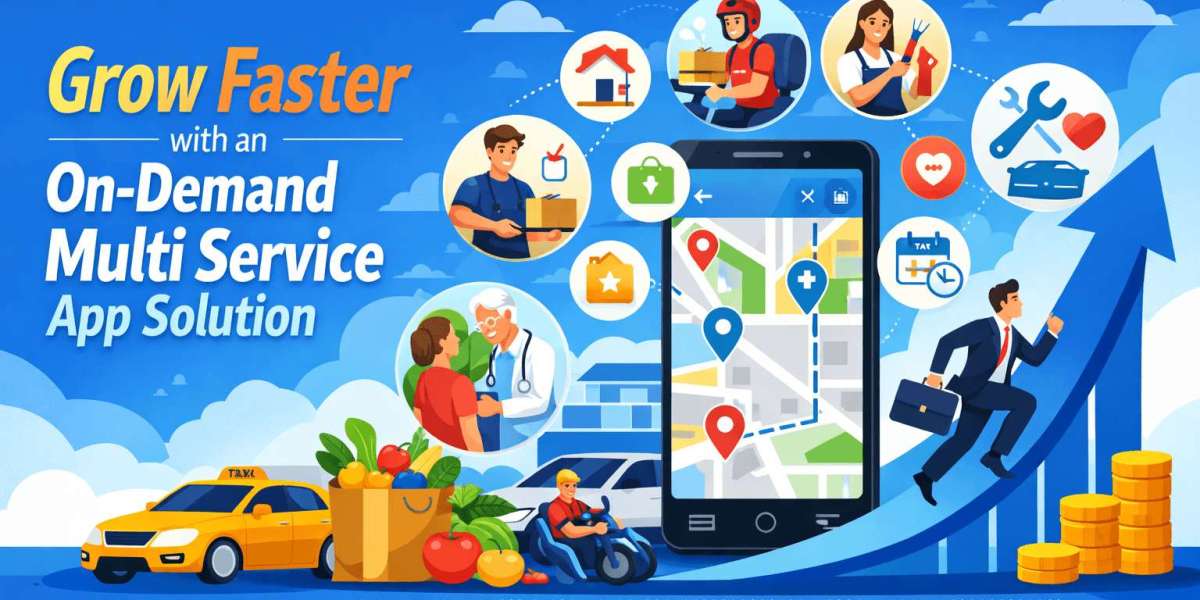
In today's fast-paced digital landscape, on-demand multi-service apps have emerged as a game-changer for businesses looking to cater to diverse consumer needs efficiently. These innovative platforms consolidate various services into a single application, providing users with unparalleled convenience and choice. As customer expectations continue to evolve, companies must adapt to this trend to remain competitive and drive growth. This article explores the benefits, features, and strategies for developing effective multi-service apps, while also examining market trends, case studies of successful implementations, and the challenges businesses may face along the way. Embracing an on-demand multi-service app solution is not just a trend—it's a crucial step toward future-proofing your business in an ever-changing marketplace.
Understanding On-Demand Multi-Service Apps
Definition and Overview
On-demand multi-service apps are your one-stop shop for services and products, all bundled into one convenient application. Think of it as a Swiss Army knife but for your mobile device—everything you need, from food delivery to home cleaning, at your fingertips. Users can access a variety of services without needing to bounce from app to app, making life just a tad easier (and less cluttered).
How They Differ from Single-Service Apps
Single-service apps are like that one friend who only has one talent—great for specific needs but limited beyond that! In contrast, multi-service apps offer a buffet of options. Instead of downloading multiple apps for different services, you download one app that can handle everything. This versatility not only appeals to users but also provides businesses with a broader audience and enhanced customer engagement.
Key Benefits of Adopting an On-Demand Solution
Increased Customer Convenience
In the fast-paced world we live in, convenience is king. On-demand multi-service apps cater to the modern user’s desire for quick solutions, allowing customers to book services with just a few taps. No more waiting on hold or wondering if a service is available—everything you need can be accessed seamlessly, ensuring that people keep coming back for more.
Diverse Revenue Streams
With a multi-service app, you're not just putting all your eggs in one basket; you're diversifying your portfolio. By offering various services, you can tap into different customer segments and increase your revenue potential. Whether it’s delivery, maintenance, or wellness services, the more options you provide, the more ways there are for customers to spend their hard-earned cash with you.
Scalability and Flexibility
As businesses grow and adapt, on-demand multi-service apps can easily scale to meet new demands. You can start small and add services as you gain traction, allowing for a flexible business model that evolves with customer needs. It’s like growing a garden—you can start with a few plants and expand to a lush, diverse ecosystem over time.
Features to Look for in a Multi-Service App
User-Friendly Interface
First impressions matter, and nothing says “I’m a user-friendly app” quite like a sleek, intuitive interface. When users can navigate your app easily, they’ll likely stick around longer and explore more services. Remember, simplicity is key—no one wants to feel like they’re deciphering a code just to order a pizza!
Robust Backend Infrastructure
Think of your app's backend as its backbone—strong and supportive! A robust backend ensures that your app runs smoothly, managing everything from user data to service availability. When the tech works seamlessly behind the scenes, users can enjoy a hassle-free experience, keeping them happy (and coming back).
Integrated Payment Solutions
Nothing kills the vibe quicker than a complicated checkout process. Integrated payment solutions allow users to pay securely and swiftly without jumping through hoops. Offering multiple payment options can also cater to different preferences, making it even easier for customers to hit that “pay now” button.
Real-Time Tracking and Notifications
Keeping customers in the loop is crucial. Real-time tracking lets users know exactly when their service is en route, while notifications keep them informed of any changes or updates. This transparency builds trust and satisfaction, and who doesn’t love a little excitement when you know your delivery is just around the corner?
Steps to Develop an Effective Multi-Service App
Market Research and Planning
Before diving in headfirst, it’s essential to do your homework. Conduct market research to uncover customer needs and preferences. Planning not only helps you understand your target market but also outlines your app's features and services. It’s like mapping out a road trip—make sure you know the route before you hit the gas!
Choosing the Right Technology Stack
Your technology stack is the foundation of your app, so choose wisely! The right combination of programming languages, frameworks, and tools will ensure optimal performance and scalability. It’s like picking the right ingredients for a cake—get it right, and you’ll have a delicious outcome; get it wrong, and you’ll end up with a lumpy mess!
Designing the User Experience
Designing a seamless user experience is crucial. This means creating an intuitive interface, smooth navigation, and engaging visuals. Remember to keep the user journey in mind—what’s the point of an app that’s confusing to use? A great design can keep users coming back for more, and it’s your chance to show off your brand’s personality!
Market Trends Driving the Demand for Multi-Service Apps
Shifts in Consumer Behavior
As the world spins faster than ever, consumers are craving convenience like a kid craves cake. They want everything at their fingertips—from food delivery to laundry services—wrapped up neatly in one app. The tendency to seek more efficient ways to manage daily tasks has never been stronger, and multi-service apps are stepping up to the plate, offering an all-in-one solution with a side of instant gratification.
The Rise of Gig Economy
Welcome to the gig economy, where everyone’s a freelancer, and traditional 9-to-5 jobs are starting to feel like VHS tapes—obsolete! Multi-service apps have become the trusty sidekick for gig workers, enabling them to offer various services on-demand. As people dip their toes into multiple income streams, these apps provide a platform to connect service providers and customers, making it easier than ever to cash in on side hustles.
Technological Advancements
The tech train is chugging full speed ahead, bringing along innovations like cloud computing, mobile payment solutions, and geolocation services. These advancements have laid the groundwork for developing multi-service apps that are smoother, faster, and more user-friendly. In a world where everyone's tethered to their smartphones, the integration of these technologies means users can seamlessly switch from ordering dinner, booking a ride, or even scheduling a dog walker—all without breaking a sweat.
Case Studies: Successful Implementations of Multi-Service Apps
Company A: Transformation through Diverse Services
Take Company A, which transformed from a one-trick pony into a multifaceted platform that offers everything from grocery deliveries to handyman services. By expanding their offerings, they not only retained existing customers but also attracted a whole new demographic. Their success story highlights that a diversified service portfolio can lead to significant growth and customer loyalty—like finally finding the perfect pizza topping combo!
Company B: Innovative Solutions in Urban Areas
Company B took a slightly different route by focusing on urban dwellers’ unique needs. They rolled out an app that combines commuting, food delivery, and even local events in a single interface. This innovative solution tackled urban challenges head-on, making city life a tad more manageable. By personalizing their multi-service approach, they’ve redefined convenience—proving that when you cater to the crowd, the crowd will come.
Challenges and Solutions in Multi-Service App Development
Managing Complexities of Multiple Services
Juggling multiple services in one app is like trying to keep five balls in the air while riding a unicycle—challenging, to say the least! The complexity arises not just from integrating various services but also from ensuring that each operates smoothly. A solid strategy involves modular architecture that allows for independent updates and maintenance, so when one service has a hiccup, the whole app doesn’t come crashing down.
Ensuring Data Security and Privacy
In an age where data breaches make headlines faster than celebrity gossip, the security of user data is paramount. It’s essential to implement robust encryption methods and compliance with regulations like GDPR. Transparency with users about data usage will build trust, making them feel safe enough to share their details—and not in the way you’d share your deep, dark secrets at a party!
Maintaining User Engagement
Once you've got users in the door, keeping them entertained is critical, or they’ll ghost you faster than a bad date. Regular updates, personalized notifications, and loyalty programs can help maintain engagement. Think of it as hosting a continuous party where your guests—aka users—are incentivized to stick around, ensuring they keep coming back for more.
Future Outlook: The Evolution of On-Demand Solutions
Predicted Innovations and Trends
As we gaze into our crystal ball, it’s clear that the demand for on-demand solutions will only grow—think augmented reality features that allow users to visualize services before they book. Innovations will likely include smart scheduling systems and seamless integrations with smart home devices, allowing users to manage their lives more efficiently, like a well-oiled machine (that occasionally needs a little oil).
The Role of AI and Machine Learning
AI and machine learning are quickly becoming the superheroes of the app world, learning user preferences faster than you can say “personalization.” By analyzing data, these technologies can predict user behavior, helping create tailored experiences that feel as personal as your best friend’s text saying, “I know you need coffee, so I ordered it for you.”
Potential Market Expansion Opportunities
With an ever-expanding market, multi-service apps have opportunities galore! From niche services catering to specific demographics to global expansions in emerging markets, the potential is as wide as a buffet table filled with international cuisines. As consumer needs evolve, adapting to these changes will be key for companies looking to ride the wave of this growing trend.In conclusion, adopting an on-demand multi-service app solution offers businesses a unique opportunity to enhance customer satisfaction and streamline operations. By understanding the key benefits, essential features, and best practices for development, companies can position themselves for success in a competitive market. As technology continues to advance and consumer preferences shift, embracing this innovative approach will not only keep businesses relevant but also pave the way for sustained growth and adaptability in the future.
Frequently Asked Questions
What is an on-demand multi-service app?
An on-demand multi-service app is a platform that offers a variety of services through a single application, allowing users to access multiple functionalities, such as transportation, food delivery, and home services, all in one place.
What are the key benefits of using a multi-service app?
The key benefits include increased customer convenience, the ability to diversify revenue streams, enhanced scalability, and improved user engagement, all of which contribute to a more flexible and efficient business model.
How can businesses ensure the security of user data in multi-service apps?
Businesses can ensure data security by implementing strong encryption protocols, conducting regular security audits, using secure payment gateways, and complying with data protection regulations to safeguard user information.
What challenges might businesses face when developing a multi-service app?
Businesses may encounter challenges such as managing the complexities of integrating multiple services, ensuring a seamless user experience, maintaining data security, and keeping users engaged over time.