In today’s infrastructure-driven economy, the demand for durable, cost-effective, and sustainable construction solutions is rapidly increasing. One material that has become indispensable across multiple industries is geotextile fabrics. From highways and railways to drainage systems and landfills, geotextiles are playing a critical role in improving structural performance and longevity.
For B2B buyers, contractors, and infrastructure developers, understanding the use of geotextile in road construction and other applications is essential for making informed procurement decisions. This article explores the types, applications, and key benefits of geotextile fabrics, with a focus on their industrial relevance.
What Are Geotextile Fabrics?
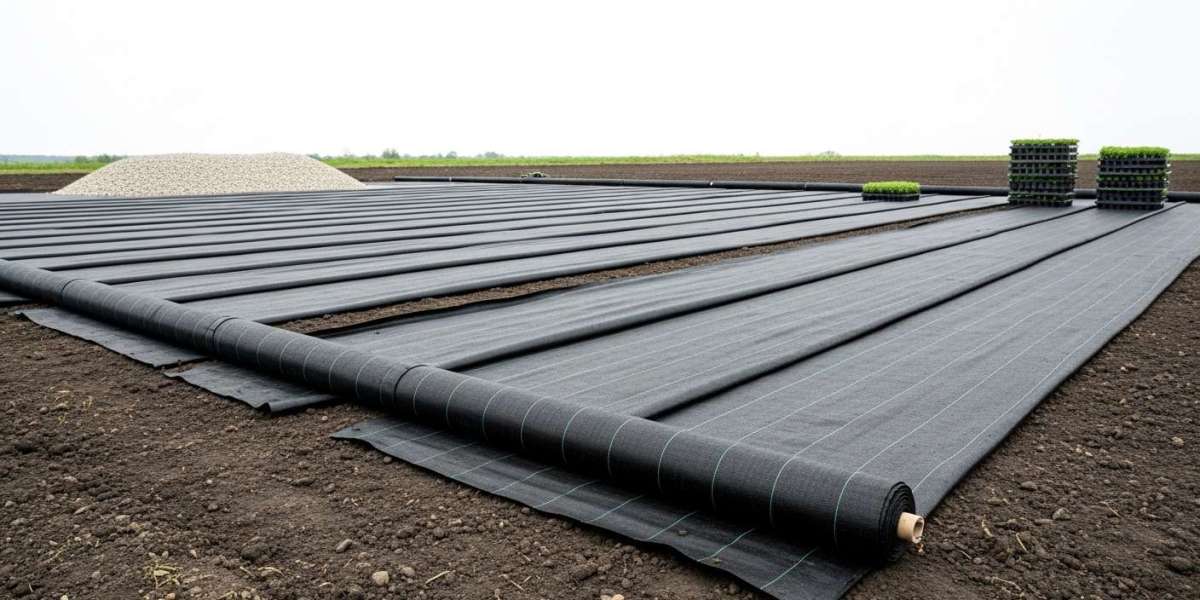
Geotextile fabrics are permeable textile materials, typically made from polypropylene or polyester, used in combination with soil to enhance its engineering properties. These fabrics are designed to perform functions such as separation, filtration, drainage, and reinforcement.
Depending on their construction and application, geotextile fabrics offer:
- High tensile strength
- Controlled permeability
- Resistance to environmental degradation
- Long service life in demanding conditions
They act as a protective and stabilizing layer between soil and structural elements, ensuring improved load distribution and reduced material failure.
Types of Geotextile Fabrics
Woven Geotextiles
Woven geotextile fabrics are manufactured by interlacing fibers in a structured pattern, resulting in high tensile strength and low elongation. These are ideal for applications where load-bearing capacity is critical.
Key uses:
- Road construction
- Soil stabilization
- Ground reinforcement
Non-Woven Geotextiles
Non-woven fabrics are produced through needle-punching or heat bonding processes. They offer excellent filtration and drainage properties.
Key uses:
- Drainage systems
- Erosion control
- Landscaping projects
Knitted Geotextiles
Though less common, knitted geotextiles combine flexibility with strength and are used in specialized engineering applications.
Key Applications Across Industries
Road Construction and Infrastructure
One of the most significant uses of geotextile in road construction is soil stabilization. Geotextiles are placed between subgrade and aggregate layers to prevent mixing and ensure structural integrity.
Benefits in road construction include:
- Improved load distribution
- Reduced rutting and deformation
- Extended pavement lifespan
- Lower maintenance costs
For infrastructure developers, this translates into long-term cost savings and improved project reliability.
Drainage Systems
Geotextile fabrics act as filtration layers that allow water to pass through while retaining soil particles. This prevents clogging and ensures efficient drainage.
They are widely used in:
- Highway drainage systems
- Railway tracks
- Retaining walls
Erosion Control Projects
In projects involving slopes, riverbanks, or coastal areas, geotextiles help prevent soil erosion by stabilizing the surface and allowing vegetation growth.
Landfills and Waste Management
Geotextile fabrics are used as protective and separation layers in landfill systems. They prevent contamination and support environmental compliance.
Agriculture and Landscaping
In agriculture, geotextiles are used for soil stabilization, weed control, and water management. Landscaping projects also benefit from their durability and permeability.
Key Benefits of Geotextile Fabrics
- Enhanced Soil Stability: Geotextiles prevent the mixing of different soil layers, maintaining structural integrity and improving load-bearing capacity.
- Improved Drainage Efficiency:Their permeable nature allows water to flow freely while filtering out soil particles, ensuring long-term drainage performance.
- Cost Efficiency:By reducing the need for additional materials and maintenance, geotextile fabrics significantly lower overall project costs.
- Increased Durability and Lifespan:Infrastructure projects using geotextiles tend to have longer service lives due to reduced wear and environmental impact.
- Environmental Sustainability: Geotextiles minimize soil erosion, reduce the need for chemical treatments, and support eco-friendly construction practices.
Why Geotextiles Are a Smart Choice for B2B Buyers
For contractors, developers, and procurement managers, geotextile fabrics offer a scalable solution for large projects. Their versatility across applications ensures consistent performance in diverse environments.
Key advantages include:
- Reliable performance in high-load conditions
- Reduced operational and maintenance expenses
- Compatibility with international construction standards
- Availability in customized specifications
Manufacturers like Mewar Polytex, with integrated production capabilities and experience in global markets, ensure that geotextile solutions meet precise project requirements while maintaining consistent quality at scale.
Key Factors to Consider Before Buying
Selecting the right geotextile fabric is critical for achieving optimal results. Buyers should evaluate:
- Material Type: Polypropylene offers excellent chemical resistance, while polyester provides high strength and creep resistance.
- Fabric Weight (GSM) and Strength: Higher GSM fabrics are suitable for heavy-duty applications such as road construction and infrastructure projects.
- Permeability and Filtration: Ensure the fabric meets the drainage and filtration requirements of the project.
- UV Resistance: For exposed applications, UV-stabilized fabrics are essential for long-term durability.
- Supplier Reliability:Choose manufacturers with proven expertise, quality certifications, and the ability to deliver consistent bulk orders.
Common Mistakes to Avoid
Even experienced buyers can encounter challenges if key factors are overlooked:
- Selecting the wrong type of geotextile for the application
- Ignoring soil and environmental conditions
- Focusing solely on cost rather than performance
- Not verifying supplier quality standards
Avoiding these mistakes ensures better project outcomes and long-term value.
The Importance of Choosing the Right Manufacturer
A reliable manufacturer plays a crucial role in the success of any infrastructure project. Consistency in quality, customization capabilities, and adherence to global standards are essential factors.
Companies like Mewar Polytex focus on delivering high-performance geotextile fabrics tailored to industry-specific needs. With advanced manufacturing processes and strict quality control, they support large-scale infrastructure and industrial projects across global markets.
Final Words
As infrastructure demands continue to grow, geotextile fabrics have become a fundamental component in modern engineering solutions. Their ability to enhance soil stability, improve drainage, and extend project lifespan makes them indispensable across industries.
Understanding the use of geotextile in road construction and other applications allows businesses to make strategic decisions that improve efficiency and reduce long-term costs. By selecting the right product and partnering with a trusted manufacturer, B2B buyers can ensure reliable performance and sustainable project outcomes.