The global Supply Chain Control Tower (SCCT) market is entering a transformative phase as enterprises prioritize resilience, agility, and real-time visibility across increasingly complex supply networks. According to the latest research by QKS Group, the SCCT landscape is rapidly evolving, driven by AI innovation, digital transformation initiatives, and the urgent need for end-to-end orchestration.
This comprehensive market study provides strategic insights for technology vendors and enterprises seeking to strengthen supply chain operations, benchmark vendor capabilities, and future-proof their digital supply chain investments.
What is a Supply Chain Control Tower (SCCT)?
A Supply Chain Control Tower is an integrated, AI-powered platform that delivers centralized visibility, predictive insights, and intelligent decision-making across the entire supply chain ecosystem. SCCT platforms consolidate data from logistics, procurement, manufacturing, warehousing, and distribution systems to provide:
- Real-time supply chain monitoring
- Advanced analytics and predictive insights
- Automated alerts and exception management
- Cross-functional collaboration tools
- Intelligent, data-driven decision support
As supply chains face ongoing disruptions—from geopolitical shifts to demand volatility—organizations are moving away from fragmented systems toward unified, AI-enabled control tower solutions.
Key Market Trends Shaping the SCCT Landscape
- AI-Driven Decision Intelligence
Modern SCCT platforms increasingly leverage artificial intelligence and machine learning to anticipate risks, simulate outcomes, and recommend optimal actions.
- Digital Twins and Digital Replicas
Advanced SCCT solutions are integrating digital replicas of supply chains to model scenarios, test contingencies, and improve resilience through predictive simulations.
- Real-Time End-to-End Visibility
Organizations demand synchronized visibility across multi-enterprise ecosystems, including suppliers, logistics providers, and distribution partners.
- Self-Correcting Supply Chains
Future-ready SCCT platforms are evolving toward autonomous operations capable of identifying disruptions and initiating corrective actions automatically.
- Embedded Collaboration & Workflow Automation
Control towers are no longer dashboards—they are orchestration engines that unify teams, automate workflows, and accelerate issue resolution.
Leading Supply Chain Control Tower Vendors
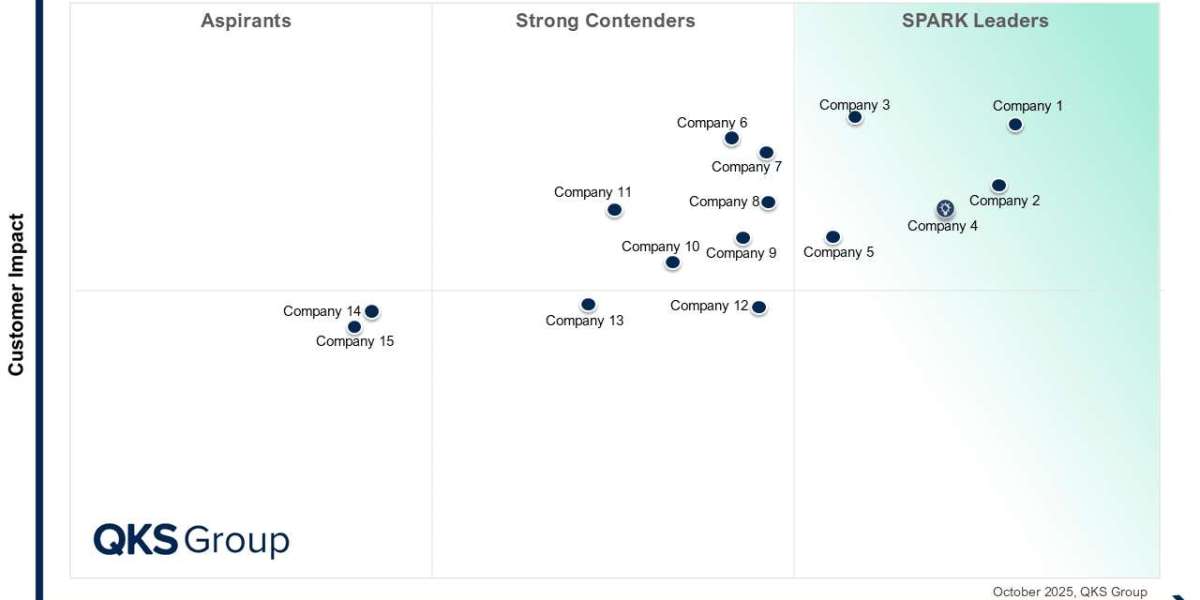
The research evaluates and benchmarks prominent SCCT solution providers, including: Blue Yonder, e2Open, Elementum, Elemica, GEP, IBM, Infor, Intugine, Kinaxis, LOG-NET, O9 Solutions, Oracle, SAP, SupplyOn, and TESISQUARE.
These vendors are driving innovation across predictive analytics, AI-powered orchestration, multi-tier visibility, and collaborative supply chain ecosystems.
Analyst Perspective
According to an Analyst at QKS Group, “The Supply Chain Control Tower (SCCT) market has become essential for modern supply chain transformation. As supply chains grow more complex and face increasing disruptions, companies are shifting from separate, isolated systems to integrated, AI-driven platforms that provide complete visibility and control. SCCT solutions combine real-time monitoring, smart analytics, automated alerts, team collaboration tools, and intelligent decision-making in one unified platform. Looking ahead, SCCT platforms will incorporate advanced digital replicas of supply chains, AI assistants, and self-correcting processes that automatically fix problems—creating the foundation for stronger, more flexible, and smarter supply chain operations worldwide.”
Strategic Value for Enterprises and Vendors
For Enterprises:
- Evaluate vendor capabilities with structured benchmarking
- Identify platforms aligned with operational complexity
- Enhance supply chain resilience and agility
- Improve risk mitigation and response times
- Enable data-driven strategic planning
For Technology Vendors:
- Refine product innovation strategies
- Strengthen competitive differentiation
- Identify growth opportunities in emerging markets
- Align roadmap with evolving enterprise expectations
The Future of Supply Chain Control Towers
The future of SCCT lies in intelligent automation, predictive resilience, and ecosystem-wide orchestration. As AI assistants, digital twins, and autonomous workflows become mainstream, control towers will transition from monitoring tools to decision-centric command centers driving measurable business outcomes.
Organizations that invest in advanced SCCT platforms today will gain a competitive edge through improved operational visibility, faster response to disruptions, and smarter supply chain decision-making.
Conclusion
QKS Group’s Supply Chain Control Tower (SCCT) market research offers a comprehensive, forward-looking perspective on one of the most critical segments in supply chain technology. With robust vendor benchmarking through the SPARK Matrix™, deep competitive analysis, and strategic insights into emerging trends, this study serves as a vital resource for enterprises and technology providers navigating the next phase of supply chain transformation.
As global supply chains become more interconnected and disruption-prone, SCCT platforms will remain central to building resilient, intelligent, and future-ready supply chain ecosystems.