Speech analytics is rapidly transforming how enterprises understand customer behavior, optimize agent performance, and strengthen compliance frameworks. According to QKS Group, speech analytics is a technology that analyzes customer conversations from live or recorded audio data to derive deep insights, trends, and performance metrics from every interaction. By leveraging Artificial Intelligence (AI), Natural Language Processing (NLP), speech recognition, and transcription technologies, organizations can evaluate customer experience (CX), monitor agent effectiveness, and identify operational strengths and gaps across voice channels.
What Is Speech Analytics and Why It Matters
Speech analytics solutions enable enterprises to extract actionable intelligence from voice conversations across contact centers and customer support operations. These platforms seamlessly integrate recorded calls, VoIP streams, and omnichannel interactions to uncover patterns related to customer churn, dissatisfaction, compliance risks, and service inefficiencies.
Organizations are increasingly deploying speech analytics software to:
- Improve customer satisfaction (CSAT) and Net Promoter Score (NPS)
- Reduce customer churn through early risk detection
- Enhance agent coaching and training initiatives
- Monitor compliance with regulatory standards
- Optimize end-to-end customer engagement processes
By transforming raw audio into structured, analyzable data, businesses gain a comprehensive understanding of customer intent, sentiment, and behavioral trends.
How Speech Analytics Works: The Three-Step Framework
Speech analytics follows a structured three-step process:
- Processing
The system captures conversations from recorded audio files and Voice-over-Internet Protocol (VoIP) streams. During this stage, metadata such as agent details, customer information, call timestamps, and contextual data is consolidated to prepare for analysis.
- Transcribing
Advanced speech recognition software converts voice recordings into text through Automatic Speech Recognition (ASR). This transcription layer forms the foundation for deeper text and sentiment analysis.
- Analyzing
AI-powered engines apply Natural Language Processing (NLP), Machine Learning (ML), tonality-based sentiment analysis, and predictive modeling to extract meaningful insights. This enables organizations to measure emotional cues, detect compliance violations, and uncover hidden trends within conversations.
The Rise of Predictive and Proactive Customer Engagement
Modern speech analytics platforms go beyond reactive reporting. By incorporating predictive analytics using ML algorithms, businesses can forecast customer outcomes, identify escalation risks, and shift from reactive support models to proactive and preventative engagement strategies.
Holistic contact center analytics now unifies voice, chat, email, and text data, delivering a 360-degree view of the customer journey. This omnichannel intelligence empowers organizations to:
- Personalize services in real time
- Identify cross-sell and upsell opportunities
- Reduce operational costs
- Strengthen brand loyalty
As digital transformation accelerates, speech analytics plays a pivotal role in delivering consistent, insight-driven customer experiences across all communication channels.
Competitive Landscape: SPARK Matrix™ Analysis
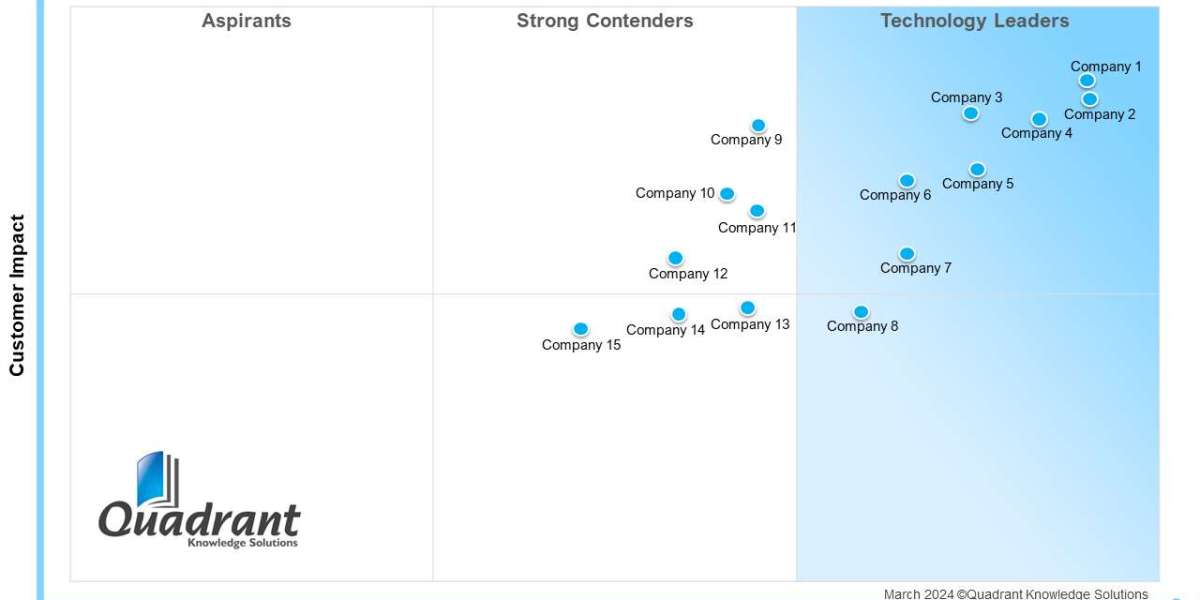
The research from QKS Group includes a detailed competitive analysis through its proprietary SPARK Matrix™ framework. The SPARK Matrix™ evaluates and ranks leading speech analytics and customer communication management vendors based on technology excellence and customer impact.
Key vendors assessed in this study include: Almawave, Avaya, CallMiner, Cogito, Dialpad, Genesys, Invoca, NICE, OpenText, Prodigal, Qualtrics, Salesken, Talkdesk, Tethr, and Verint.
The SPARK Matrix™ positioning provides enterprises with strategic clarity to evaluate vendor differentiation, innovation capabilities, and global market presence.
Expert Perspective on the Impact of Speech Analytics
According to Senior Analyst at QKS Group, “Implementing Speech Analytics transforms the dynamics of customer interactions and operational effectiveness. By analyzing voice data across calls, voicemails, and digital assistants, organizations can significantly enhance responsiveness to customer needs, identify real-time trends and sentiments, and proactively address concerns. Advanced AI and machine learning capabilities enable predictive analytics that improves service personalization, risk mitigation, and regulatory compliance. Leveraging speech analytics insights allows businesses to refine engagement strategies and secure a competitive advantage in an increasingly digital marketplace.”
The Future of Speech Analytics
As enterprises prioritize customer-centric transformation, speech analytics is emerging as a core component of contact center modernization strategies. The integration of ASR, NLP, ML, and sentiment analysis enables real-time intelligence, automated quality monitoring, and predictive engagement.
With increasing demand for compliance management, risk mitigation, and cross-channel analytics, speech analytics solutions are set to play a central role in shaping the future of customer experience management.
Organizations that invest in advanced speech analytics platforms today are positioning themselves for long-term growth, operational excellence, and superior customer loyalty in a data-driven economy.