Introduction
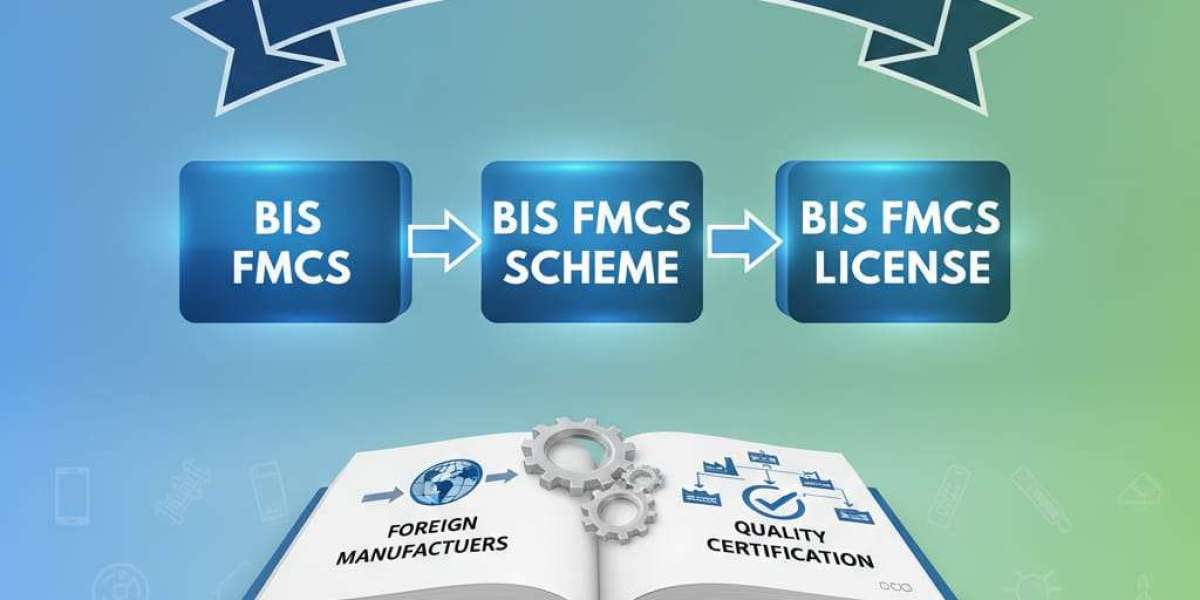
If you are a foreign manufacturer planning to sell products in India, understanding BIS FMCS Certification is very important. The Bureau of Indian Standards (BIS) has made it mandatory for many products to comply with Indian quality standards. Under the BIS FMCS Scheme, overseas manufacturers must obtain approval before exporting certain regulated products to India. In this blog, we will explain everything about BIS FMCS, including the process, documents, benefits, and how to get a BIS FMCS License smoothly.
What is BIS FMCS?
BIS FMCS stands for Foreign Manufacturers Certification Scheme. It is a scheme introduced by the Bureau of Indian Standards to ensure that products manufactured outside India meet Indian safety and quality standards. Under this scheme, foreign manufacturers can obtain a license to use the Standard Mark (ISI Mark) on their products. Once approved, the manufacturer receives a BIS FMCS Certificate, allowing them to export and sell their products in the Indian market legally.
What is BIS FMCS Scheme?
The BIS FMCS Scheme allows overseas manufacturers to apply directly to BIS for product certification. Unlike Indian manufacturers, foreign companies must appoint an Authorized Indian Representative (AIR) to coordinate with BIS authorities.
The scheme ensures:
- Product quality as per Indian Standards
- Consumer safety
- Legal compliance in India
- Market trust and brand credibility
Under the BIS FMCS Certification, the factory located outside India is inspected by BIS officials before granting approval.
Products Covered Under BIS FMCS
Many products fall under mandatory certification, including:
- Electrical appliances
- Steel products
- Cement
- Automotive components
- Chemicals
- Household items
If your product falls under mandatory BIS standards, obtaining a BIS FMCS License is compulsory before exporting to India.
BIS FMCS Certification Process
The process of obtaining BIS FMCS Certification includes the following steps:
1. Application Submission
The foreign manufacturer submits an application to BIS along with required documents and fees.
2. Appointment of AIR
An Authorized Indian Representative (AIR) must be appointed. The AIR acts as a local contact person for BIS communication.
3. Document Review
BIS verifies all submitted documents including manufacturing details, quality control systems, and product specifications.
4. Factory Inspection
BIS officials visit the foreign manufacturing unit for inspection and audit. They check:
- Production process
- Testing facilities
- Quality control measures
- Compliance with Indian Standards
5. Sample Testing
Product samples are collected and tested in BIS-recognized laboratories.
6. Grant of License
If everything is satisfactory, BIS issues the BIS FMCS Certificate and grants permission to use the ISI Mark.
Documents Required for BIS FMCS License
To obtain a BIS FMCS License, you generally need:
- Business license of manufacturer
- Manufacturing unit details
- Product specifications
- Test reports
- Quality control manual
- Appointment letter of AIR
- Factory layout and machinery list
Proper documentation plays a key role in successful BIS FMCS Certification approval.
Validity of BIS FMCS Certificate
The BIS FMCS Certificate is generally valid for one year initially. After that, it can be renewed based on compliance and surveillance audits conducted by BIS. Regular inspections ensure continued product quality.
Benefits of BIS FMCS Certification
Obtaining BIS FMCS Certification offers multiple advantages:
1. Legal Market Access
You can legally sell products in India without facing customs clearance issues.
2. Brand Trust
Products with ISI Mark gain higher consumer confidence.
3. Competitive Advantage
Certified products are preferred over non-certified ones.
4. Smooth Import Process
Custom authorities clear shipments faster when a valid BIS FMCS License is available.
5. Long-Term Business Growth
Compliance with Indian standards builds a strong reputation in the Indian market.
Cost of BIS FMCS Certification
The cost of BIS FMCS Certification depends on:
- Product category
- Factory location
- Testing charges
- Inspection expenses
- Government fees
Foreign manufacturers should plan the budget carefully as inspection involves travel and audit expenses of BIS officials.
Common Challenges in BIS FMCS Certification
Some common issues faced by foreign manufacturers include:
- Delay in documentation
- Lack of proper testing facilities
- Communication gap with BIS
- Non-compliance with Indian Standards
Proper guidance can help avoid these problems and speed up the approval process.
Why BIS FMCS Scheme is Important for Foreign Manufacturers
India is one of the fastest-growing markets in the world. However, the government strictly regulates product safety and quality. The BIS FMCS Scheme ensures that imported goods meet Indian safety norms.
Without a valid BIS FMCS License, products may be stopped at customs, leading to financial loss and shipment delays. Therefore, obtaining a BIS FMCS Certificate is not just a legal requirement but also a smart business decision.
Conclusion
The sunconsultants.co.in. is essential for foreign manufacturers who want to export regulated products to India. Under the BIS FMCS Scheme, overseas companies must comply with Indian standards, undergo factory inspections, and obtain a BIS FMCS License before selling their products in the Indian market. Though the certification process may seem complex, proper planning, accurate documentation, and professional assistance can make it smooth and hassle-free.