When a retailer loses its servers for a day, sales are delayed. When a hospital loses its servers for a day, patients may wait for treatment, laboratories cannot return results, and clinicians lose access to the records they rely on. That is why Data Center Security carries unusual weight in healthcare. The systems behind electronic records, imaging, pharmacy, and billing must stay available, accurate, and private at all times.
Tektronix supplies and installs security infrastructure for critical facilities across the Gulf, and its data center security solutions for healthcare bring physical and digital protection together for hospitals, clinics, and health networks in Oman. This article explains what makes healthcare special, which security layers matter most, and what leaders should ask before approving a project.
Why Healthcare Data Is Different
Health records contain some of the most sensitive information a person can have: diagnoses, medications, test results, and family history. Unlike a stolen payment card, a leaked medical record cannot be cancelled and reissued, and the harm to a patient can last for years. Records are also valuable to criminals, because they can be used for identity fraud and blackmail. Healthcare organizations therefore carry both an ethical duty and a legal duty to protect them.
Availability Is a Patient Safety Issue
In most industries, security focuses mainly on confidentiality. In healthcare, availability matters just as much. A ransomware attack that locks a hospital's systems can force staff back to paper, delay surgeries, and divert ambulances. Power failures, cooling faults, and hardware breakdowns in a server room can have the same effect. A healthcare data center strategy must therefore protect against attack and against ordinary failure, with backups, redundancy, and tested recovery plans.
Cybersecurity for Data Center Operations in a Clinical Setting
Cybersecurity for Data Center environments in healthcare must cope with an unusually wide range of connected equipment, from imaging scanners and laboratory analyser’s to infusion pumps and building systems. Many of these devices run older software that cannot easily be patched. Good practice includes keeping a complete inventory of connected devices, separating them from general networks, controlling vendor remote access, and monitoring for unusual behaviour that may signal a compromise.
Data Center Encryption for Patient Records
Data Center Encryption protects stored records, backups, and information moving between hospitals, clinics, laboratories, and external partners. If a drive is lost, a backup copy is stolen, or traffic is intercepted, properly encrypted data remains unreadable. The key point is key management: keys should be stored separately from the data, rotated on a schedule, and access to them should be logged and reviewed, so that encryption provides real protection instead of a false sense of security.
Data Center Firewalls and Network Segmentation
Data Center Firewalls control which traffic can enter, leave, or move between zones. In a hospital environment, segmentation is especially valuable. Medical devices, administrative systems, guest networks, and the core records platform should sit in separate zones with tightly controlled paths between them, so that a problem in one area cannot spread to the systems that hold patient data. Rules need regular review, because policies written years ago accumulate exceptions that quietly widen exposure.
Data Center Access Control for Server Rooms and Equipment Areas
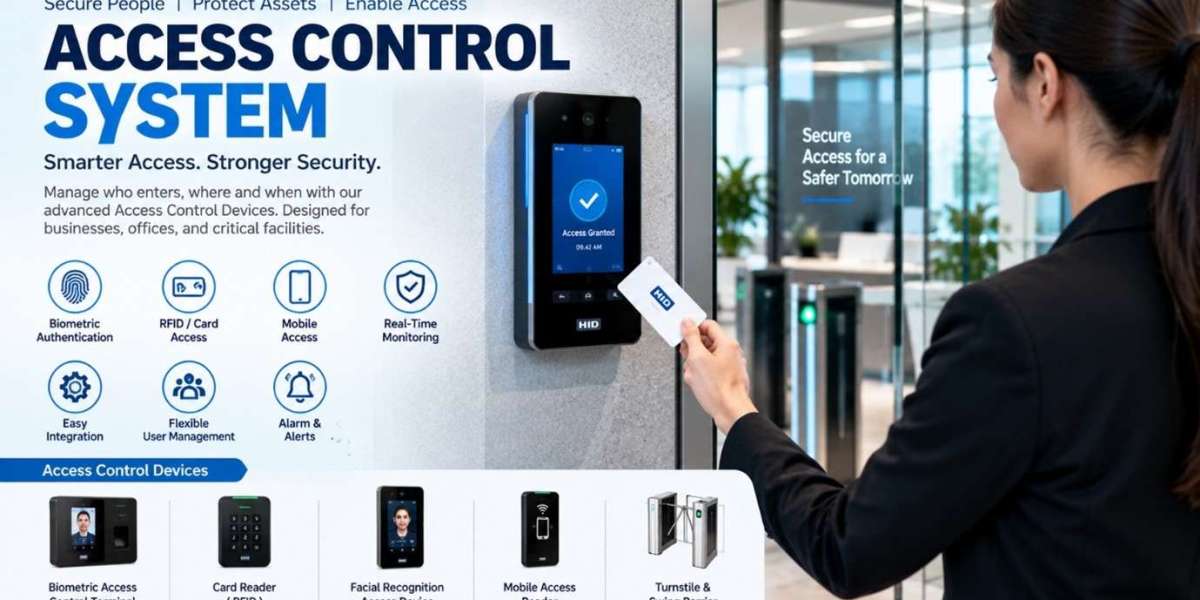
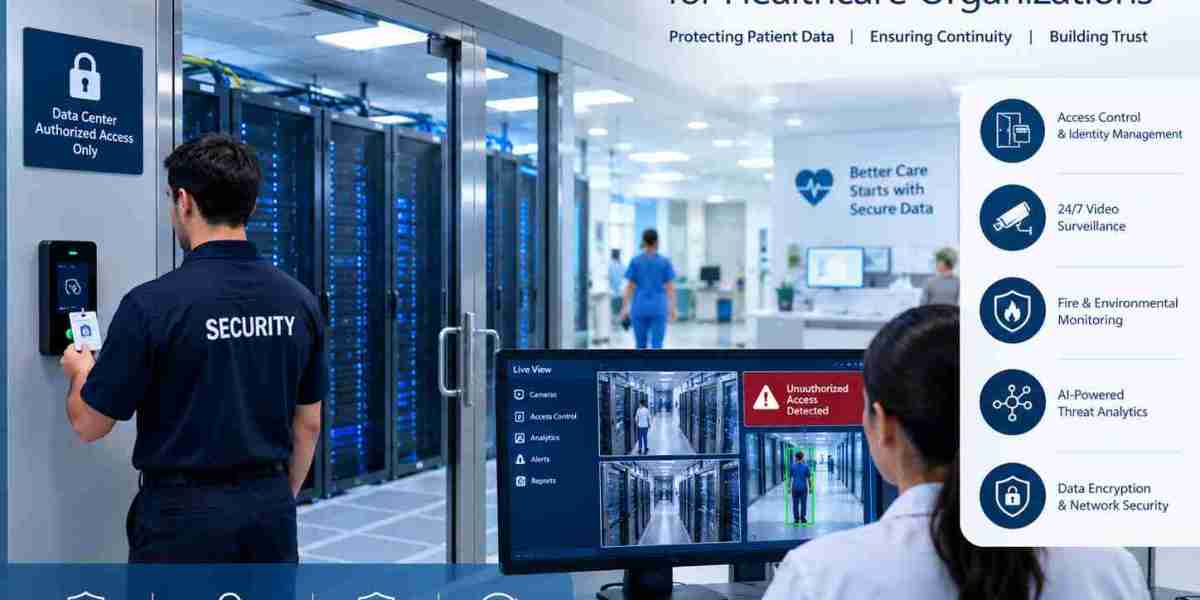
Data Center Access Control decides who may enter the server room, the network closets scattered around a hospital, and the technical areas that house power and cooling. Many healthcare breaches begin not with sophisticated hacking but with someone walking into an unlocked network cupboard. Layered verification, such as a card plus a PIN or a biometric check, together with detailed entry logs and temporary credentials for contractors, closes this gap and creates a record for audits.
Data Center Surveillance and Evidence
Data Center Surveillance covers the building perimeter, entrances, corridors leading to technical rooms, and the server hall itself. Cameras need to perform in low light and be placed to capture faces and hands at doors and cabinets. Video analytics can flag unusual events, such as a person lingering near a rack or a door held open, so staff are alerted promptly. Recordings provide valuable evidence if an incident requires investigation, and retention periods should be defined and documented.
Data Center Intrusion Detection on Both Fronts
Data Center Intrusion Detection works in two worlds. Physically, sensors on doors, windows, and cabinets raise an alarm if someone enters without authorization. Digitally, monitoring tools watch for traffic that suggests scanning, lateral movement, or data theft. Bringing both signals into one operations view helps a small hospital IT team understand what is happening, because a door alarm and a suspicious login at the same hour tell a clearer story than either signal alone.
Data Center Threat Detection and Early Warning
Data Center Threat Detection looks for patterns over time instead of waiting for a single alarm. A staff account used at an unusual hour, a server sending large amounts of data to an unfamiliar address, or a cabinet opened without a maintenance ticket may each look harmless alone but together reveal a developing attack. Analytics help small teams focus on the few events that matter among millions of routine ones, which is vital in hospitals where IT staff are few and demands are constant.
Data Center Security Oman: Health Sector Growth and Regulation
Oman continues to invest in digital health, from electronic records to telemedicine and connected clinics, as part of its broader Vision 2040 ambitions. Data Center Security Oman projects in healthcare must also respect the personal data protection law and any health sector information standards issued by the authorities. Organizations should confirm their specific obligations with their own legal and compliance advisers, and should keep documentation that shows how each control is implemented and monitored.
Data Center Security Muscat: Hospitals, Networks, and Hosted Services
The capital is home to major hospitals, private healthcare groups, laboratories, and the organizations that host their systems. Data Center Security Muscat projects often involve large server rooms inside hospital buildings as well as hosted facilities serving several providers. Both models need strong separation between tenants, careful control of vendor and contractor access, and clear evidence for auditors that records are protected.
Data Center Security Salalah: Regional Care and Resilience
In the south, regional hospitals and clinics serve a wide area and a seasonal population that grows during the tourism season. Data Center Security Salalah projects must account for monsoon humidity, which affects equipment and cooling, and for limited technical staff on site. Remote monitoring, reliable backup power, and clear escalation procedures help smaller facilities maintain the same level of protection as larger ones in the capital.
Backup, Recovery, and Continuity Planning
Prevention is never perfect, so recovery matters. Healthcare organizations should keep backups that are isolated from the main network so ransomware cannot reach them, test restoration regularly, and define how long each system can be unavailable before patient care is affected. Written downtime procedures, including how clinicians will work without electronic records, ensure that a technical failure does not become a clinical crisis.
Environmental and Power Resilience
Security controls must be designed alongside power, cooling, and fire protection. Redundant power feeds, backup generators, precision cooling, and fire suppression protect the same equipment that access control and surveillance guard. In Oman's hot and humid climate, cooling faults can shut down servers quickly, so monitoring of temperature and humidity should feed the same alert platform as security events, giving staff early notice of problems.
Third Party and Vendor Risk
Hospitals depend on many suppliers, from equipment makers to software vendors, and each one may need access to systems. Every connection is a potential entry point. Organizations should grant vendors the minimum access they need, for a limited time, through monitored channels, and should require suppliers to meet defined security standards. Reviewing vendor accounts regularly and removing those no longer needed is a simple step that prevents many incidents.
Training, Procedures, and Culture
Technology succeeds only when people support it. Staff should understand why doors must not be propped open, why credentials must not be shared, and how to report suspicious messages or visitors. Regular exercises that combine physical and cyber scenarios, together with clear escalation paths and written playbooks, help teams respond calmly and consistently when something goes wrong.
Engineering Experience and Trust Behind Every Deployment
Tektronix has engineered and commissioned security infrastructure for critical facilities across the Gulf for many years. An in-house engineering team handles site surveys, network integration, and system configuration rather than passing installation to a subcontractor unfamiliar with the platform, and regional support and spare parts help keep a failed component from leaving a sensitive area unprotected for long.
Technical documentation covering integration options, supported hardware, and monitoring capabilities is available through the company's data center security page, giving healthcare leaders and compliance teams specific detail to review rather than a marketing summary alone.
Choosing the Right Partner for a Healthcare Project
Selecting a supplier is as much about experience across physical and digital layers as about any single product. Ask about past projects in sensitive environments, how physical and network events are correlated, which encryption and key management practices are supported, and how quickly local engineers can respond. Organizations that want one accountable partner across the whole stack can review Tektronix's full range of data center physical and access security solutions before finalizing a shortlist.
Conclusion
Strong Data Center Security protects both patient privacy and the availability that patient care depends on. Cybersecurity for Data Center operations, Data Center Encryption, and Data Center Firewalls protect records and keep clinical systems separate. Reliable Data Center Access Control and continuous Data Center Surveillance show who entered technical areas and what happened there. Data Center Intrusion Detection and Data Center Threat Detection catch small anomalies before they become patient safety incidents. Healthcare leaders planning Data Center Security Oman, Data Center Security Muscat, and Data Center Security Salalah projects should choose a partner like Tektronix with proven regional engineering.
FAQs
- Why is ransomware such a serious risk for hospitals?
Hospitals cannot easily stop operating, so attackers know they may pay quickly, and an attack can delay treatment and disrupt records, which is why isolated backups and network segmentation are so important.
- Can older medical devices be protected if they cannot be updated?
Yes, by placing them on separate network segments, restricting what they can communicate with, monitoring their traffic, and controlling vendor access, even when the device software itself cannot be patched.
- Should server rooms inside hospitals have the same protection as hosted data centers?
They should follow the same principles of layered entry control, surveillance, environmental monitoring, and logging, scaled to the size of the room and the sensitivity of the systems it holds.
- How often should access permissions and firewall rules be reviewed?
Most organizations review them at least quarterly, and also whenever staff roles change or a new supplier is connected, because stale permissions and old rules are a common source of exposure.
- What should a hospital ask a security supplier before signing?
Ask about past work in sensitive environments, how events across physical and network systems are correlated, how encryption keys are managed, and how quickly local engineers can respond to a fault.