I remember walking through an industrial facility where almost everything seemed to have a purpose, from the large storage tanks outside to the smaller fittings attached to the pipework. There was a constant background noise from pumps and machinery, and a technician was explaining some of the equipment used to keep the process running safely.
At one point our conversation kinda drifted toward pressure protection, and I had seen a few safety devices before, but I never really took the time to stop and think how some tiny component could make a big difference. That was also when I learned more about rupture discs, and why engineers pay close attention to how they’re selected, not like casually either.
Why I Wanted To Understand The Equipment
The facility handled industrial liquids and ran the equipment under specific pressure conditions. The technician explained pressure does not always stay the same. A blocked outlet, an unexpected process reaction , or even a change in operating temperature can create situations that have to be managed carefully.
I kept wondering what happens when pressure climbs past the limits the system is designed for. And it turns out the answer is not just “install a device and forget about it, there’s more nuance to it than that. The entire pressure protection arrangement needs to suit the process, including the equipment, operating conditions and possible discharge route.
That made sense once I saw how closely the different parts of the plant were connected.
How Do Rupture Discs Help Protect Industrial Process Equipment?
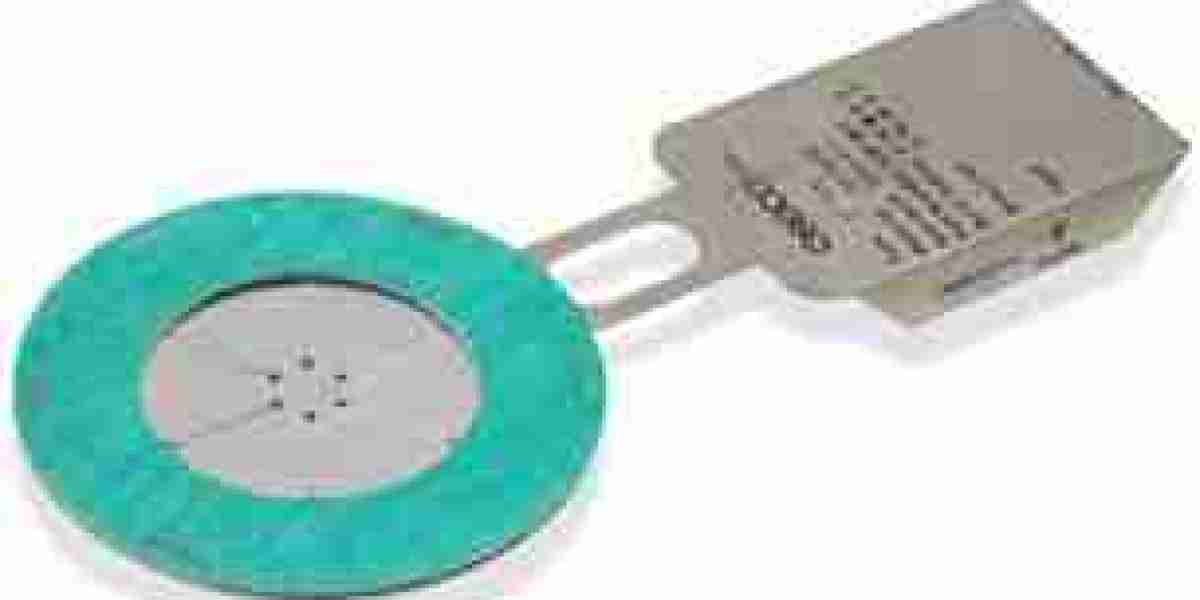
This was the question I asked during the visit. The technician explained that a rupture disc is a non-reclosing pressure relief device designed to open when the specified pressure conditions are reached. Once it ruptures, it provides an opening for pressure to escape through the designated relief system.
Unlike a conventional pressure relief valve, a rupture disc does not automatically close again after activation. The disc generally needs to be replaced, and the reason for its activation should be investigated before the system returns to service.
I found that detail interesting because it showed why choosing the right component matters. The specified burst pressure, operating temperature, process fluid, corrosion resistance and required relief capacity all influence the selection. It is not just about finding a disc that fits a pipe connection.
The Process and What I Noticed
One small thing that stood out was how carefully the technician checked the equipment information. He referred to specifications and connection details rather than relying on appearance alone. I suppose that is understandable when a component is expected to operate under particular pressure conditions.
We also went over, how rupture discs might end up on pressure vessels, pipelines, and other process equipment… it really depends on the design. In a few situations they can be mounted next to pressure relief valves, but only if the whole setup is properly engineered for that exact purpose, otherwise it’s kind of pointless.
Around the site, other bits were pulling their own weight. Level gauges and sight glasses, for example, let people keep an eye on liquid levels or just catch what’s going on with the process conditions. Tank vents handled the normal pressure swings, including vacuum changes, while flame arresters were used only in the right kinds of systems where stopping flame travel mattered a lot.
It kind of stuck with me that industrial safety is more like a mix-and-match job, it’s rarely one single device that does everything.
Actual Benefits and Practical Considerations
The big upside of a properly picked rupture disc is that it can open (in the intended way) when the stated pressure conditions show up. Depending on the job, it may give a fast response, stay fairly compact, and act like a barrier so the process media doesn’t rush into downstream equipment before activation.
Still, there are practical issues to watch. If it’s installed wrong, or if the material choice is off, or if the operating conditions are too near the disc’s own specified limits, performance can get weird. Also, the discharge direction matters, it has to be routed safely, with real attention to hazardous fluids, vapours, and what’s sitting nearby.
During a casual chat about industrial equipment suppliers, Ekotech came up somewhere in that broader discussion. It reminded me that having solid technical information plus application support is genuinely helpful when you’re comparing options, especially when the process requirements aren’t simple or obvious.
Choosing the Right Pressure Protection Equipment
Different industries bring different headaches. In oil and gas, and petrochemical work, flammable fluids and vapours are often part of the picture. In mining and power, the process conditions can be pretty demanding too. Meanwhile, pharmaceutical and FMCG environments might add extra expectations around cleanliness, materials, and production routines.
So if you’re looking at tank vents Australia suppliers, or you’re comparing flame arresters, bursting discs and other vapour control equipment, it helps to think about how each piece actually fits into the whole system. The “right” answer depends on the application itself, the standards that apply, and what the equipment manufacturer specifies in their documents.
Final Thoughts
That visit left me with a better sense of the smaller components tucked away inside industrial machinery. Before the conversation, I mostly noticed the tanks and the pipework. Afterward, I kept thinking about all the equipment that’s meant to respond when something goes off track, not just the parts you can immediately see.
Rupture discs might sound small, but their job in pressure protection is absolutely worth understanding. Careful selection, correct installation, and sensible maintenance really do help support safer and more reliable industrial operations.