Despite rapid advancements in storage technology, many European industrial systems still rely on legacy memory formats. From CNC machinery and PLC systems to railway control units and semiconductor equipment, older memory technologies remain deeply integrated into mission-critical operations.
For maintenance teams, system integrators, and OEMs across Europe, accessing and managing this legacy storage requires a specialized solution: a professional industrial card reader designed for legacy memory formats.
This article explores the technical requirements, challenges, and best practices when selecting an industrial card reader in Europe for legacy applications.
Why Legacy Memory Formats Still Matter in Europe
European industries are known for long machine lifecycles. Industrial equipment often operates for:
- 10–25 years in manufacturing plants
- 15+ years in railway infrastructure
- 20+ years in energy and utility systems
Replacing entire systems simply to upgrade storage technology is often economically unfeasible. As a result, legacy memory formats remain operational in:
- PLCs (Programmable Logic Controllers)
- HMIs (Human Machine Interfaces)
- CNC machines
- Medical devices
- Industrial robots
- Semiconductor fabrication systems
Common Legacy Memory Formats in Industrial Systems
An industrial card reader in Europe must support specialized and older storage types such as:
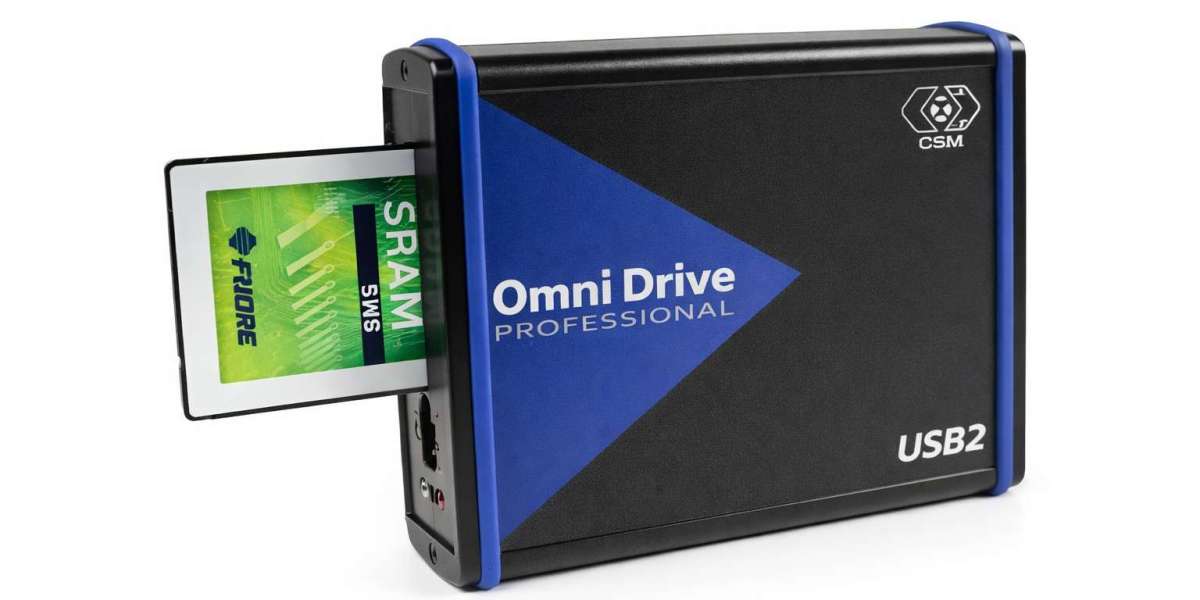
- SRAM Cards
Used in PLC and automation systems for parameter storage and program backups.
- Linear Flash (LF) Cards
Common in CNC machines and industrial control systems.
- CompactFlash (CF)
Widely used in embedded industrial PCs.
- SD (Industrial Versions)
Used in data logging and machine control.
- 8-bit and 16-bit Memory Cards
Still found in legacy automation systems.
Standard consumer USB readers often do not support these formats properly — especially SRAM and Linear Flash.
Technical Requirements of an Industrial Card Reader for Legacy Formats
Selecting a suitable device requires attention to several critical specifications.
- True Hardware-Level Compatibility
Legacy memory cards may require:
- Direct memory access handling
- Specific voltage support (3.3V / 5V)
- Proper address mapping
- Stable timing control
An industrial-grade card reader must be engineered to communicate reliably with these memory architectures.
- Stable Firmware and Driver Support
In European industrial environments, compatibility with:
- Windows Industrial Editions
- Linux distributions
- Embedded operating systems
is essential.
The card reader must provide stable firmware that avoids data corruption during read/write operations.
- Data Integrity & Error Protection
Industrial operations cannot risk corrupted machine parameters or firmware.
Look for:
- Error detection mechanisms
- Stable write cycles
- Controlled data transfer protocols
- Power-loss protection during operation
Data integrity is especially critical when updating PLC programs or CNC machine configurations.
- Industrial Build Quality
European industrial environments often involve:
- High vibration
- Dust exposure
- Temperature variations
- Electromagnetic interference
Professional industrial card readers should include:
- Metal housings
- Shielded USB interfaces
- High-quality connectors
- Durable internal components
Plastic consumer devices are not suitable for factory floors.
- Long-Term Product Availability
Legacy systems require long-term hardware consistency.
A professional European supplier should provide:
- Multi-year availability
- Spare unit access
- Firmware stability
- Technical documentation
Frequent hardware changes create compatibility risks.
Key Industrial Sectors in Europe Using Legacy Card Readers
Manufacturing & CNC
Machine programs are often stored on Linear Flash or SRAM cards. Secure backups are essential.
Automotive Industry
Production lines rely on stable PLC configuration storage.
Railway & Transportation
Embedded control systems frequently use older memory modules.
Energy & Utilities
Power plants maintain long-lifecycle automation systems with legacy storage.
Semiconductor & Electronics Production
Precision equipment often retains older memory standards for compatibility reasons.
Challenges When Handling Legacy Memory Formats
Industrial buyers in Europe face several technical challenges:
- Limited availability of compatible readers
- Risk of using unsupported consumer devices
- Operating system driver conflicts
- Data corruption during transfer
- Hardware voltage mismatch
A specialized industrial card reader eliminates these risks.
Compliance and European Standards
Industrial hardware in Europe must align with:
- CE certification
- EMC compatibility
- RoHS compliance
Using compliant hardware ensures smooth integration into regulated environments.
Why Buy from a European Industrial Supplier
Choosing a Europe-based supplier offers:
- Faster logistics
- Local technical consultation
- Better understanding of EU industrial regulations
- Support for complex integration scenarios
- Reliable warranty and service processes
For mission-critical environments, regional support is a strategic advantage.
Future Outlook: Supporting Legacy in a Modern Infrastructure
Although new systems are transitioning toward SSD and NVMe storage, legacy memory formats will remain active in Europe for years due to:
- High equipment replacement costs
- Stable long-term machine operations
- Proven system reliability
- Regulatory approval complexity
Industrial card readers must therefore bridge past and present technologies — securely and reliably.
Final Selection Checklist
Before purchasing an industrial card reader in Europe for legacy memory formats, confirm:
✔ Support for SRAM and Linear Flash
✔ Compatibility with industrial operating systems
✔ Stable firmware and driver support
✔ Industrial-grade housing
✔ Long-term availability
✔ EU compliance certification
✔ Professional technical support
Conclusion
Legacy memory formats remain deeply embedded in European industrial infrastructure. Replacing entire systems is often impractical, making industrial card readers a critical interface between legacy storage and modern IT environments.
Selecting a professional industrial card reader in Europe ensures:
- Secure data transfer
- Protection of machine parameters
- Reduced downtime
- Compliance with industrial standards
- Long-term operational stability
For OEMs, system integrators, and industrial maintenance teams, investing in the right card reader is not just about compatibility — it is about safeguarding production continuity and technical reliability.
Read More: https://tecsysproductguides.blogspot.com/2026/02/industrial-card-reader-europe-for.html