Qatar's skyline, its transport network, and its growing network of hospitals, campuses, and corporate towers all share one expectation: people should move through secure spaces smoothly, without fumbling for cards. HID Amico is a facial recognition reader from HID Global built for that expectation, combining quick touchless entry with the layered checks that security teams demand, and it is fast becoming part of the conversation for Qatari facility owners.
Tektronix supplies HID security hardware across the Gulf, and its HID Amico biometric reader solution gives organizations a practical route from card-based entry to modern facial access. This article looks at where the technology is heading, how the platform works, and what Qatari organizations should plan for before they deploy.
Why Access Control Is Changing Across the Gulf
For decades, access control meant a plastic card and a keypad. Three forces are changing that picture. Smart building design expects frictionless movement. Security teams want records tied to real people rather than cards that can be lent. And smartphones have made digital credentials normal for everyone. Together these trends are pushing owners toward readers that recognize faces, accept phones, and still honour the cards already in circulation, all managed from one platform.
HID Amico Facial Recognition and the Touchless Experience
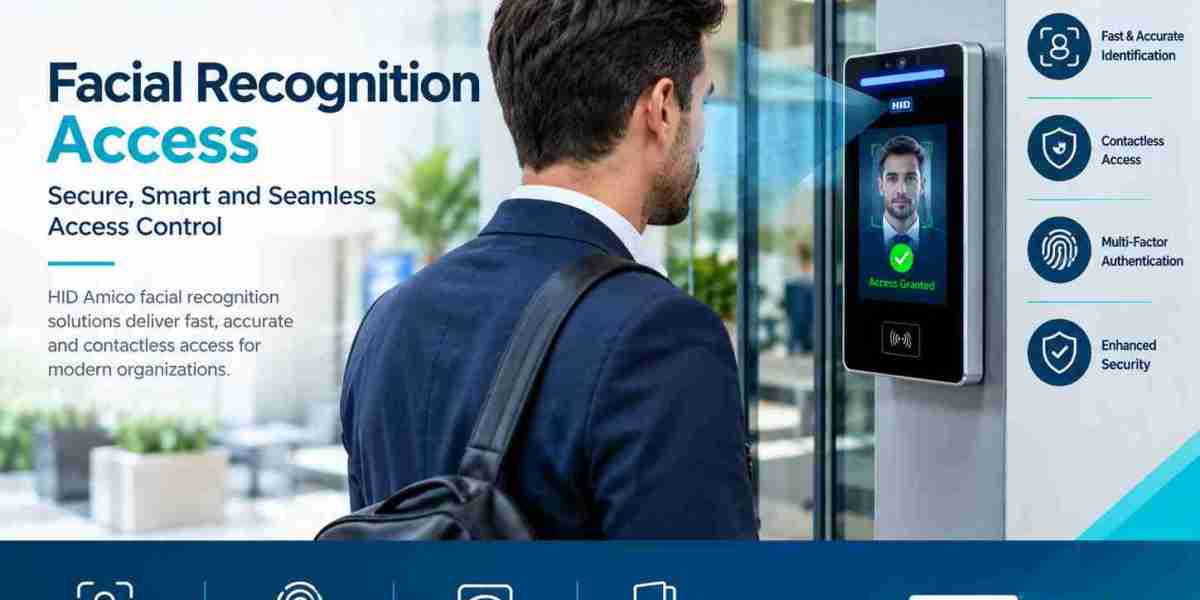
HID Amico Facial Recognition lets an enrolled person approach a door, look toward the reader, and be admitted in moments. There is nothing to carry and nothing to touch, which suits hygiene sensitive settings such as hospitals and clinics, and it speeds up busy lobbies at the start of the working day. For administrators, each entry produces a record tied to a person, which supports attendance accuracy, investigations, and audits.
The HID Amico Face Recognition Reader and Its Options
The HID Amico Face Recognition Reader can authenticate through several methods on one device, including face, existing HID cards, mobile credentials, QR codes, and a PIN. This lets owners set the level of assurance for each door. A general entrance might use a face match alone, while a laboratory or records room can combine a face with a card or PIN. The reader is offered in different screen sizes so that designers can choose a unit suited to the look and traffic of each entrance.
HID Aero Controller as the Decision Engine
Behind every reader sits a controller that decides whether a door opens. The HID Aero Controller belongs to a family built on HID's established Mercury technology. It supports encrypted communication with the management software, keeps enforcing stored permissions if the network is interrupted, and manages features such as anti passback and lockdown. This resilience matters in buildings that cannot afford a front door that stops working because of a network fault.
HID Access Control as an Open Ecosystem
Many Qatari buildings already contain HID cards and readers installed by different contractors over the years. A complete HID Access Control ecosystem allows owners to introduce facial recognition at the most important doors while older readers continue to serve secondary areas. This phased approach protects earlier investment, spreads cost over several budget cycles, and avoids the disruption of replacing every credential in an organization at once.
HID Mobile Access and the Digital Wallet Era
HID Mobile Access places a secure credential on a smartphone, so staff, residents, and visitors can open doors without a separate card. Administrators can issue and revoke credentials remotely within minutes, which suits organizations with frequent visitors, contractors, or tenants who come and go. Using a face at one door and a phone at another gives each person the method that suits the situation, with one platform managing every permission.
AI Powered Anti Spoofing: Trust in Every Match
The future of facial access depends on trust that the face at the door is real. AI Powered Anti Spoofing uses trained models to tell a live face from a printed photograph, a phone screen, or a mask, examining texture, reflections, and other signals that copies cannot reproduce well. As attackers improve their tools, defences must improve too, so buyers should ask how protection has been tested and how it is updated over time.
Liveness Detection Without Friction
Liveness Detection confirms that a living person is physically present at the moment of capture, checking for depth and natural movement that a flat image or video cannot supply. The best implementations work quietly in the background, so legitimate users are never asked to blink or turn their heads. Security improves without any extra effort from the people the system is meant to serve.
HID Amico Qatar: Vision 2030 and Smart Infrastructure
Qatar National Vision 2030 has driven major investment in transport, education, healthcare, and urban development, and many of these projects specify advanced entry technology from the design stage. HID Amico Qatar projects should also respect Qatar's personal data privacy law, since facial templates are personal data. Plans should cover consent, secure storage, retention periods, and deletion when people leave, and owners should confirm their obligations with their own legal advisers.
HID Amico Doha: Towers, Campuses, and Public Venues
The capital brings together corporate towers in the business district, large university and research campuses, hospitals, hotels, and major public venues. HID Amico Doha installations tend to focus on busy lobbies where speed matters, restricted areas such as server rooms and records archives, and staff entrances at facilities that operate around the clock. Strong sun and glass fronted entrances make site surveys important, because lighting strongly influences recognition quality.
Sector Scenarios: Healthcare, Education, Hospitality, and Corporate
Hospitals value touchless entry at wards and pharmacies, where shared surfaces are a concern. Universities protect laboratories and data rooms while keeping teaching spaces open. Hotels restrict back of house areas and staff corridors. Corporate headquarters combine fast lobby entry with layered verification on executive floors. In each case the same reader supports different rules behind different doors, which is why one platform can serve a whole organization.
Privacy by Design for Biometric Systems
Facial templates are sensitive, so responsible deployment starts with privacy. Organizations should explain why biometric data is collected, gather only what is needed, store templates securely, set a clear retention period, and delete a person's data when they leave. Some HID options allow a template to be held on the credential instead of in a central database, which suits organizations that prefer to limit centralized storage. Offering a card or mobile alternative respects individuals who prefer not to use facial recognition.
Integrating Facial Access with Smart Building Systems
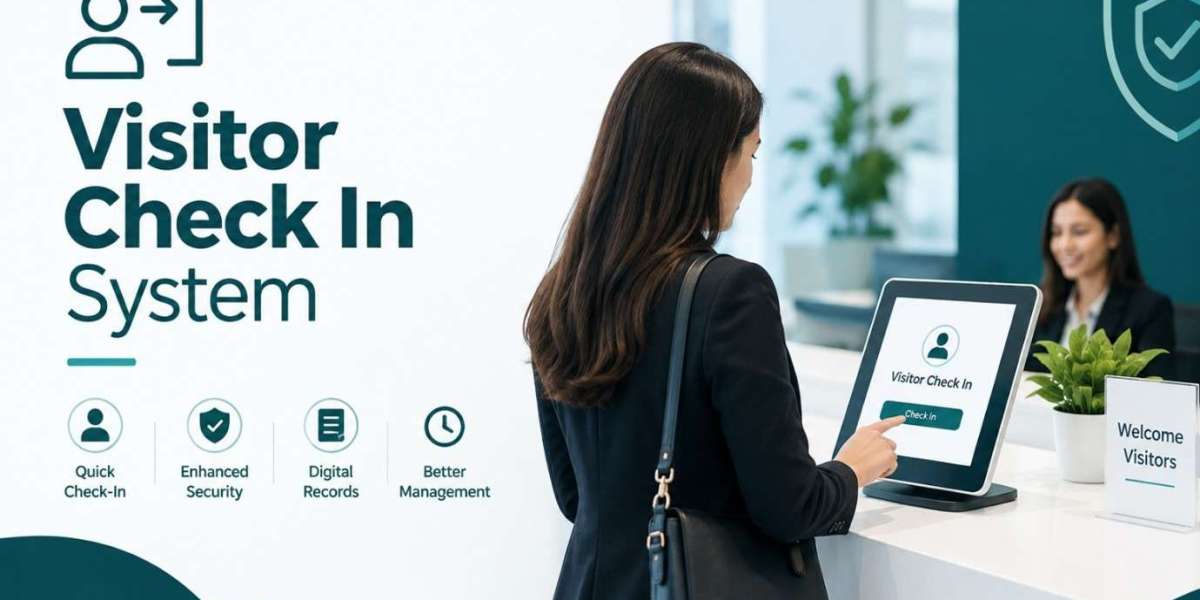
Access control delivers more value when it shares data. A link to visitor management gives guests temporary credentials that expire automatically. A link to CCTV lets security staff retrieve video for any door event, and a link to fire alarm panels ensures doors release reliably on escape routes. Occupancy information from entrances can also guide lighting and cooling in unused zones, so the system contributes to energy savings as well as security.
Planning, Pilot, and Rollout
A smooth deployment starts with a survey of lighting, mounting heights, and approach paths, then a pilot on a few doors to tune settings and gather feedback. Well-lit enrolment sessions improve daily accuracy, and the rollout can then expand floor by floor. After handover, a maintenance agreement covering cleaning, firmware updates, and fast replacement keeps readers performing as designed through Qatar's hot and dusty seasons.
Handling Large Crowds and Peak Flows
Qatar hosts conferences, sporting events, and large public gatherings, and the buildings that serve them must manage sudden peaks in demand. For staff and accredited personnel entrances, facial recognition keeps lines moving because nobody stops to present a card. Planning enough readers for the peak, positioning them to avoid congestion, and keeping a manual fallback lane for exceptions ensures that security never becomes the reason a crowd builds up at a gate.
Measuring Success After Go Live
Once the system is running, administrators should track how often legitimate users are rejected, how long a typical entry takes at peak hours, and which doors generate the most support calls. A rise in rejections at one door usually points to a lighting or positioning issue rather than a fault in the platform. Reviewing these figures monthly during the first quarter allows small adjustments to be made quickly, so daily operation stays smooth as more users are enrolled.
Training Staff and Preparing Users
A new system works best when people understand it. A short briefing for security and facility staff on enrolment, credential changes, and fault handling prevents small problems from becoming complaints. Users benefit from a simple guide that explains how to approach the reader, what to do if a face is not recognized, and who to contact for help. Organizations that invest a little time in onboarding see fewer support requests in the first weeks.
Engineering Experience and Trust Behind Every Deployment
Tektronix has engineered and commissioned access control, surveillance, and biometric systems across the Gulf for many years. An in house engineering team handles site surveys, network integration, and controller configuration rather than passing installation to a subcontractor unfamiliar with the HID product line, and regional support and spare parts help keep a failed reader from leaving an entrance unprotected for long.
Technical information covering supported credentials, controller options, and integration paths is available through the company's HID Amico facial recognition page, giving consultants and procurement teams specific detail to review rather than a marketing summary alone.
Choosing the Right Partner for a Qatar Project
Selecting a supplier is as much about experience as hardware. Owners should ask about comparable projects, how anti-spoofing has been tested, how enrolment and data retention are handled, and how quickly engineers can respond to faults. Organizations that want one accountable partner for readers, controllers, software, and support can review Tektronix's full range of HID biometric access control products before finalizing a shortlist.
Conclusion
HID Amico points toward a future where entry is touchless, personal, and secure. HID Amico Facial Recognition and the HID Amico Face Recognition Reader support face, card, mobile, and PIN credentials on one device. A HID Aero Controller and an open HID Access Control platform let owners add doors and credentials as they grow. HID Mobile Access, AI Powered Anti Spoofing, and Liveness Detection add flexibility while keeping every match genuine. Owners planning HID Amico Qatar and HID Amico Doha projects should choose a partner like Tektronix with proven regional engineering.
Frequently Asked Questions
- Can facial recognition be added to a building that already uses HID cards?
Yes, because the platform works alongside existing HID credentials, owners can introduce face readers at selected doors while older card readers continue to serve other areas.
- Does the reader work in bright sunlight near glass entrances?
Performance depends on placement and lighting, so a site survey should confirm the best mounting position and approach path, and readers are usually kept out of direct backlight.
- How does the system tell a real face from a photograph?
It uses trained models and live presence checks that look for texture, depth, and natural movement, which a printed picture or a video on a screen cannot reproduce convincingly.
- Can visitors use the system without being enrolled by face?
Yes, visitors can receive a temporary mobile credential or QR code that opens only the doors listed on their invitation and expires when the visit ends.
- Where is facial data stored?
That depends on the configuration chosen, which may use central storage or keep the template on the credential, and organizations should confirm the approach and retention period in writing before go live.