
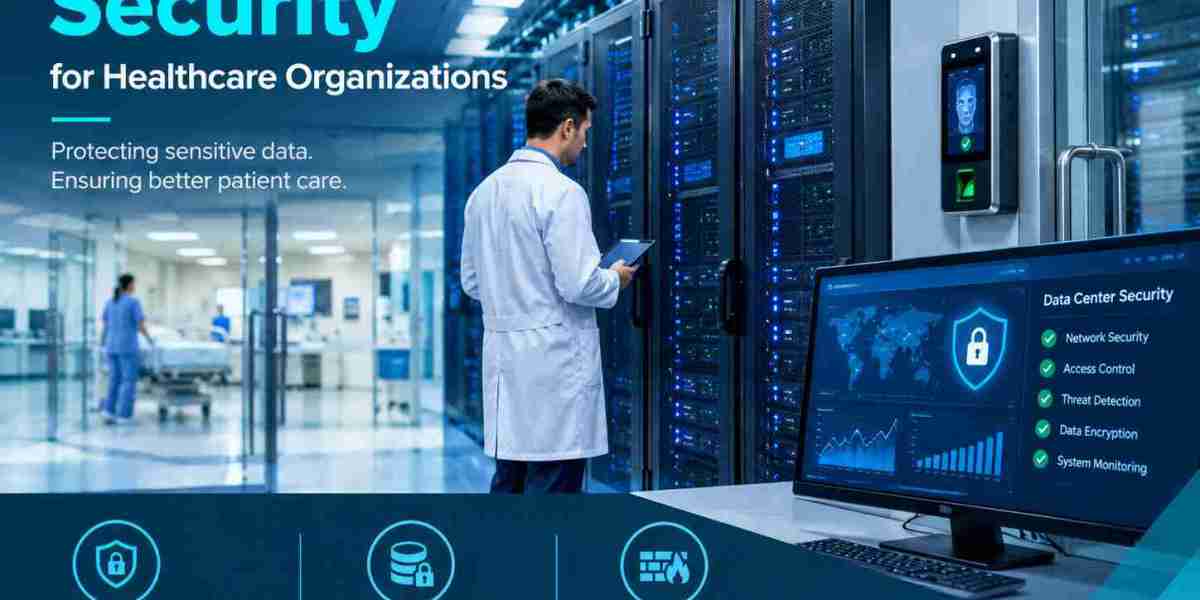
When a hospital system goes offline, surgeries are delayed, medication records vanish, and patients wait in corridors, which is why Data Center Security for healthcare in Qatar is not only an information technology matter but a patient safety matter that every board and clinical leader should understand.
Why Healthcare Data Centers Are Different
A bank can sometimes tolerate a short outage, but a hospital cannot. Electronic medical records, imaging archives, laboratory results, pharmacy systems, and appointment platforms all depend on servers that must stay available all day and every day.
The information stored is also uniquely sensitive, because medical history, diagnoses, and family details cannot be changed after a leak the way a stolen password can.
The Qatari Healthcare Landscape
Qatar National Vision 2030 and the National Health Strategy have driven major investment in digital health. Organizations such as Hamad Medical Corporation, the Primary Health Care Corporation, Sidra Medicine, and a growing group of private hospitals now run connected systems across many sites, supervised by the Ministry of Public Health.
That connectivity improves care, and it also means a weakness in one facility can affect many others, so protection must be planned for the whole network.
Threats Facing Hospitals Today
Ransomware attacks on hospitals have become common worldwide because attackers know that clinics will pay to restore access quickly. Insider misuse, stolen credentials, theft of equipment, fire, flooding, and power loss are further risks that a good security plan must address together.
Physical and Cyber Risks Are Linked
A person who walks into a server room can bypass every network control, while a network breach can unlock doors and disable cameras, so physical and digital protection should be designed as one system.
Building a Defense That Protects Patients First
Effective Cybersecurity for Data Center operations in a hospital combines identity management, patching, network separation, secure remote access, backups, and trained staff, with special attention to clinical systems that cannot simply be switched off for an update.
Backups must be tested regularly and stored where ransomware cannot reach them, because a backup that fails during a crisis protects nobody.
Keeping Patient Records Unreadable to Outsiders
Even if an attacker reaches storage or intercepts traffic, strong Data Center Encryption makes patient records useless without the matching keys. Encryption should cover databases, imaging archives, backups, and the links between hospitals and clinics, with keys held separately and rotated on schedule.
Encryption also supports compliance, because it shows regulators that sensitive health data was protected even in the worst case.
Separating Clinical, Administrative, and Guest Networks
Hospitals contain many networks, from clinical devices to staff laptops and visitor Wi Fi. Properly configured Data Center Firewalls separate these zones, so a compromised guest device or an infected laptop cannot reach the servers that hold patient records or control medical equipment.
Regular rule reviews matter, since forgotten exceptions slowly widen the attack surface.
Controlling Who Enters Server Rooms
Hospitals have many staff, contractors, and equipment vendors moving through buildings at all hours. Strong Data Center Access Control assigns permissions by role and time, uses biometrics or mobile credentials for server rooms, and logs every entry against a named identity.
Vendor and Contractor Discipline
Equipment suppliers and maintenance engineers should be escorted, registered, and given passes that expire automatically when the work order ends.
Watching the Site Around the Clock
Cameras provide evidence and deterrence. Well planned Data Center Surveillance covers the perimeter, entrances, corridors, and server rooms, with recordings kept long enough for audits. You can see how this fits a complete protection design on our healthcare data center protection page, including links to doors and alarms.
Analytics can flag loitering, an open cabinet door, or an unauthorized vehicle, alerting operators within seconds.
Spotting Intrusions Before Care Is Affected
Early warning is vital in healthcare. Data Center Intrusion Detection watches for suspicious logins, forced doors, and unusual traffic, then notifies the response team while there is still time to contain the problem without disturbing patient services.
Careful tuning matters, because too many false alarms teach staff to ignore the one that is real.
Connecting Clues into One Clear Incident
Alerts rarely tell the whole story alone. Data Center Threat Detection correlates events from servers, firewalls, cameras, and doors, so a badge used at an odd hour followed by an unusual login is seen as one connected incident with one response playbook.
Written playbooks and regular drills shorten decision time when pressure is highest.
Resilience: Power, Cooling, and Fire Safety
Healthcare systems must survive more than attacks. Redundant power, tested generators, cooling built for Gulf summers, early smoke detection, and clean agent fire suppression protect servers, and escape routes must meet Qatar Civil Defence requirements.
Regular failover tests under real load prove the design works and give clinical leaders confidence that care can continue during a fault.
Regulations and Standards in Qatar
Qatari organizations should follow the Personal Data Privacy Protection Law, Law No. 13 of 2016, the guidance of the National Cyber Security Agency, and the health data expectations set by the Ministry of Public Health. Many hospitals also pursue ISO 27001 certification and Joint Commission International accreditation, both of which expect documented controls.
Documented policies, regular audits, and tested controls make every one of these reviews shorter and calmer.
Experience and Trust Signals for Healthcare Buyers
Our engineering team has delivered access, surveillance, and security projects across Qatar, the UAE, Saudi Arabia, Bahrain, and Kuwait, giving direct field knowledge of Gulf climate, approval routes, and regional compliance rather than assumptions borrowed from other markets.
Each project is handed over with drawings, configuration records, test results, and training, so hospital engineers and auditors can verify exactly how the site was secured.
Choosing Data Center Security Qatar Partners Carefully
When comparing offers for Data Center Security Qatar projects, healthcare buyers should weigh regional references, integration across physical and network layers, ability to work around live clinical services, and willingness to document every control, and should treat price as one factor among several.
Priorities for Doha Hospitals and Clinics
Doha hosts large public hospitals, specialist centers, and private clinics, so Data Center Security Doha projects often need careful scheduling around live patient services, quick local support, and designs that can scale as digital health services expand.
Early coordination with clinical leaders, information technology teams, and facilities managers keeps installation safe and avoids disruption.
Conclusion
Strong Data Center Security protects Qatari patients as well as data, with Cybersecurity for Data Center operations supported by Data Center Encryption and Data Center Firewalls. Data Center Access Control and Data Center Surveillance keep every person and movement accountable on site. Data Center Intrusion Detection and Data Center Threat Detection give teams early warning before incidents reach clinical services. For Data Center Security Qatar and Data Center Security Doha projects, healthcare experience and documented controls decide long term success. Contact our team today to plan a secure and resilient facility.
FAQs
- Why is Cybersecurity for Data Center a patient safety issue and not only an information technology issue?
Outages and ransomware can delay surgery, hide medication records, and slow emergency care, so protection directly affects clinical outcomes.
- What does Data Center Encryption protect in a hospital?
It protects patient databases, imaging archives, and backups, so stolen or intercepted data stays unreadable without the correct keys.
- Why do hospitals need Data Center Firewalls between clinical and guest networks?
Separation stops a compromised guest device or laptop from reaching servers that hold patient records or control medical equipment.
- How does Data Center Access Control manage equipment vendors?
Vendors are registered and escorted, and their passes expire automatically when the work order ends.
- How does Data Center Threat Detection help clinical teams?
It links alerts from networks, cameras, and doors into one incident view, so problems are contained before they affect patient services.