
Angola’s heating, ventilation, and air-conditioning (HVAC) industry is gaining importance as urban development, construction, commercial activity, industrial expansion, and infrastructure modernization increase demand for reliable indoor climate-control systems. Cooling is particularly important in a warm climate, while ventilation and air-quality management are becoming increasingly relevant across offices, healthcare facilities, hotels, airports, logistics centers, manufacturing sites, and residential buildings. As new infrastructure is developed, businesses are also looking for equipment that can combine dependable performance with lower operating and maintenance requirements.
A comprehensive assessment by Markntel Advisor covers the Angola HVAC Market for 2025–2030, examining equipment types, implementation models, demand categories, end users, sales channels, regulations, imports and exports, local manufacturing, customer expectations, project pipelines, supply chains, and competitive developments. The industry report provides detailed analysis of cooling, heating, and ventilation solutions and evaluates the drivers, challenges, trends, hotspots, and opportunities shaping the country's HVAC ecosystem.
Construction Activity Creates New HVAC Opportunities
Construction is an important route for HVAC adoption in Angola. New residential complexes, commercial buildings, healthcare facilities, airports, logistics centers, and industrial projects require climate-control infrastructure from the planning and development stages.
Modern construction also creates opportunities for companies offering integrated HVAC solutions. Developers increasingly need systems that can provide appropriate cooling, ventilation, air filtration, and humidity control while fitting the technical requirements of individual buildings.
At the same time, existing properties represent a substantial retrofit opportunity. Aging equipment can be replaced with newer systems offering improved reliability, better controls, and more efficient operation. This creates demand for both original-equipment manufacturers and aftermarket service providers.
Cooling Remains Central to Building Comfort
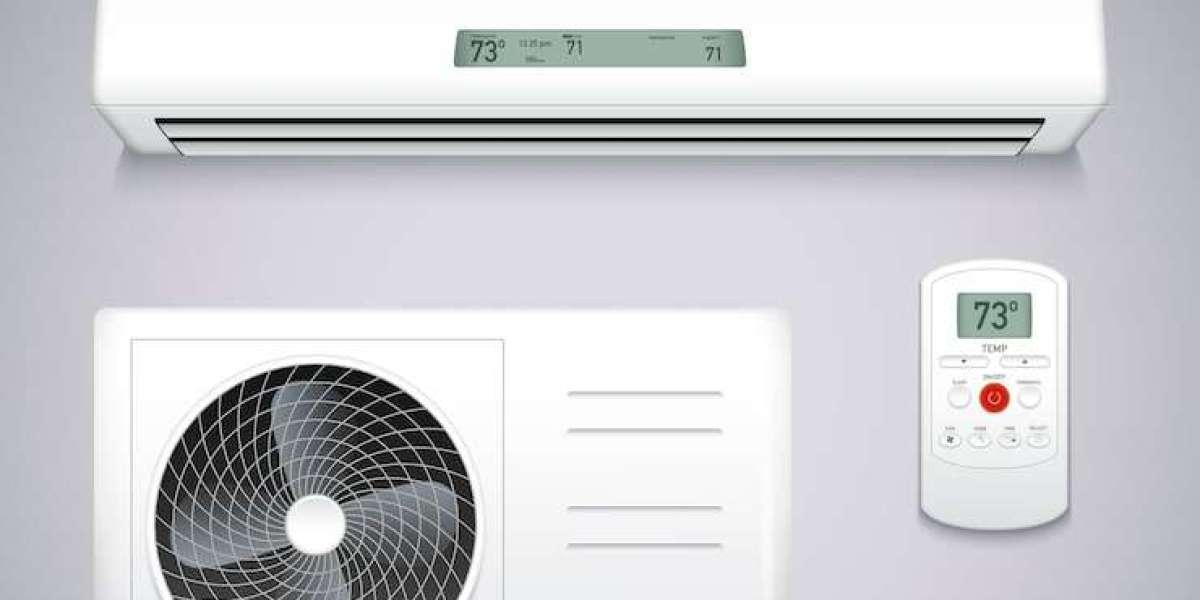
Cooling equipment forms a major component of Angola’s HVAC landscape. The industry assessment covers unitary air conditioners, VRF systems, chillers, room air conditioners, coolers, and cooling towers, reflecting the wide range of systems required across different building types.
Room air conditioners can serve smaller residential and commercial spaces, while VRF systems and chillers are better suited to larger properties requiring zoned or centralized cooling. Cooling towers can also support large-scale installations where heat rejection is an important part of the system design.
The diversity of equipment creates opportunities for manufacturers to develop products suited to Angola’s climatic conditions and varying building requirements.
Commercial Infrastructure Strengthens Demand
Commercial facilities represent an important application area for HVAC technologies. Offices, retail properties, hotels, restaurants, healthcare institutions, and other service-sector buildings require reliable temperature and ventilation management to maintain comfortable and productive environments.
Hospitality infrastructure can provide an additional source of demand as Angola develops tourism and business-related facilities. Hotels and conference venues require continuous cooling, while restaurants and retail establishments often need systems capable of maintaining comfortable indoor conditions despite changing occupancy levels.
Healthcare facilities have more specialized requirements, including ventilation, filtration, humidity management, and dependable temperature control. These applications can create opportunities for suppliers offering complete HVAC and indoor-air-quality solutions.
Industrial Facilities Require Specialized Systems
Industrial activity creates another important demand center. Manufacturing and processing facilities can require HVAC systems not only for employee comfort but also for controlling conditions around machinery, materials, and production processes.
Warehouses and logistics facilities may similarly require ventilation and temperature management depending on the goods being handled or stored. Airports represent another specialized application where HVAC systems need to operate reliably across passenger terminals, offices, baggage areas, and other infrastructure.
The report specifically includes industrial, healthcare, airports, logistics, and other end users, highlighting the breadth of potential applications across Angola.
Energy Efficiency Becomes Increasingly Important
Energy efficiency is likely to become a growing consideration as cooling adoption expands. Air conditioners and larger HVAC systems can contribute significantly to electricity consumption, making equipment efficiency important for both building owners and facility operators.
This trend is supported by regional policy developments. The International Energy Agency notes that Angola is among the Southern African Development Community countries covered by harmonized minimum energy-performance standards for air conditioners and domestic refrigerators, with one level implemented from 2024 and a more ambitious level planned for 2027. IEA information on regional MEPS Such standards can encourage the gradual replacement of inefficient equipment and increase the importance of compliant products.
Efficient compressors, inverter technology, improved insulation, and smart controls can therefore become increasingly attractive to users seeking to manage electricity consumption.
Smart HVAC Technology Opens New Possibilities
Digitalization is transforming how HVAC systems are monitored and managed. Connected sensors can track temperature, airflow, equipment performance, and energy consumption, while automated controls can adjust operation according to occupancy and environmental conditions.
For larger commercial and industrial facilities, predictive maintenance can help identify abnormal equipment behavior before failures occur. Remote monitoring can also reduce the time required to diagnose problems, improving maintenance planning and system availability.
The wider global push toward efficient cooling reinforces this opportunity. The IEA reports that space cooling has been the fastest-growing building end use since 2000, increasing the importance of improving air-conditioner efficiency as access to cooling expands. IEA’s Energy Efficiency 2025 analysis This trend is especially relevant for emerging economies where cooling demand is increasing alongside population and income growth.
Local Manufacturing and Imports Shape Supply
Angola’s HVAC ecosystem includes local manufacturers, importers and suppliers, and local packagers. The industry assessment examines manufacturing capabilities, material sourcing, production targets, import sources, export destinations, tariffs, duties, and distribution mechanisms.
This makes supply-chain reliability an important consideration for HVAC companies. Access to equipment, replacement parts, technical components, and qualified service providers can influence customer purchasing decisions.
International suppliers can strengthen their position by developing local representation and dependable distribution networks, while domestic participants can benefit from stronger technical capabilities and localized service offerings.
Aftermarket Services Become More Valuable
As the installed base of HVAC equipment expands, demand for maintenance and replacement services is expected to become increasingly important. Routine servicing can help preserve equipment efficiency, while timely replacement of worn components can reduce unexpected downtime.
Customers increasingly consider factors beyond purchase price, including performance and reliability, design, comfort, brand reputation, after-sales service, and environmental sustainability. Companies that provide installation, commissioning, preventive maintenance, spare parts, and repair services can therefore build stronger long-term relationships with customers.
Outlook for Angola’s HVAC Industry
Angola’s HVAC industry is developing alongside construction, infrastructure modernization, commercial expansion, industrial activity, and rising demand for indoor comfort. The broad product landscape—from room air conditioners and VRF systems to chillers, cooling towers, ventilation equipment, air filters, dehumidifiers, and air purifiers—creates opportunities across diverse applications.
Energy-efficiency standards, digital controls, retrofit activity, stronger distribution networks, and improved technical services are likely to shape the industry's development through 2030. As Angola continues expanding and modernizing its built environment, HVAC providers that combine reliable equipment, efficient operation, compliant technologies, and strong after-sales support will be better positioned to address the country's evolving climate-control requirements.