Homes in San Jose are evolving. From electric vehicles and home offices to smart appliances and solar-ready systems, modern living demands more power than ever before. Yet many properties throughout the area are still operating on electrical panels installed decades ago—long before today’s energy needs were imagined.
If your lights flicker, breakers trip frequently, or you’re planning a remodel, it may be time to consider an electrical panel upgrade. Understanding when and why to upgrade can help you protect your property, improve efficiency, and prepare your home for the future.
What Does an Electrical Panel Actually Do?
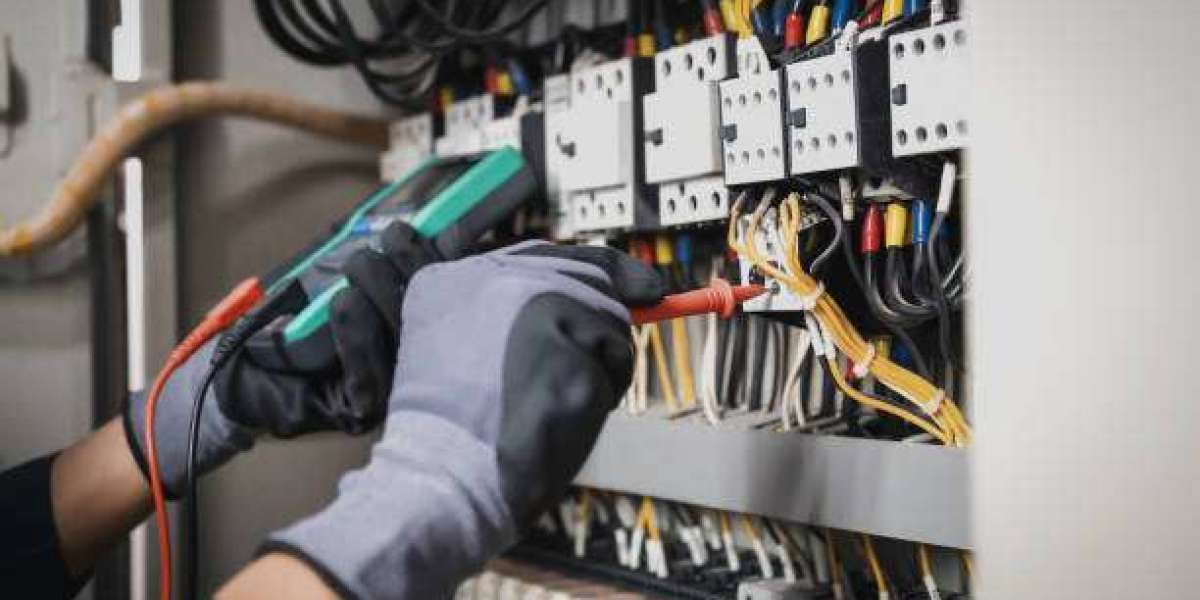
Your electrical panel—sometimes called a breaker box—is the central distribution point for all electricity entering your home. It divides power into individual circuits and protects your wiring by automatically shutting off power when a circuit overloads.
An outdated or undersized panel can struggle to handle modern electrical loads. This doesn’t just cause inconvenience; it can pose serious safety concerns.
A properly sized and professionally installed panel ensures:
Balanced distribution of electricity
Reduced risk of overheating and electrical fires
Compatibility with new appliances and technology
Code compliance with current California standards
Signs Your Panel May Be Outdated
Many San Jose homes built before the 1990s were equipped with 100-amp service. While sufficient at the time, that capacity often falls short today.
Here are common indicators that an upgrade may be necessary:
1. Frequent Breaker Trips
If breakers trip regularly when using appliances like microwaves, hair dryers, or space heaters, your system may be overloaded.
2. Flickering or Dimming Lights
Lights that dim when large appliances turn on can signal inadequate power distribution.
3. Limited Circuit Availability
Planning to install an EV charger or add a home office? If your panel has no room for additional circuits, an upgrade is likely required.
4. Fuse-Based Panels
Older fuse boxes are outdated and often fail to meet modern safety standards.
5. Home Renovations or Additions
Any expansion that increases square footage or electrical demand typically requires service upgrades to remain code-compliant.
Why Panel Upgrades Matter in San Jose
San Jose homeowners face unique energy demands. With the rise of electric vehicles, solar integration, and energy-efficient retrofits, the local grid and residential systems must adapt.
Upgrading your panel can:
Support EV charger installation
Prepare your home for solar and battery storage
Improve overall energy efficiency
Increase property value
Reduce strain on aging wiring
For homeowners researching anelectrical panel upgrade San Jose, it’s important to work with a licensed professional familiar with local permitting requirements and inspection processes. Proper installation ensures both safety and compliance.
The Electrical Panel Upgrade Process
Understanding the process can make the decision less intimidating. While each property is unique, most panel upgrades follow these steps:
Step 1: Assessment and Load Calculation
A licensed electrician evaluates your current system, performs load calculations, and determines the appropriate amperage—often upgrading from 100 amps to 200 amps.
Step 2: Permit Approval
In San Jose, electrical panel replacements typically require permits and inspections. A qualified contractor manages this process to ensure compliance.
Step 3: Power Shutoff and Replacement
The existing panel is removed, and the new panel is installed with updated breakers and wiring connections. This usually requires a temporary power shutoff.
Step 4: Final Inspection and Testing
After installation, inspectors verify code compliance before restoring full operation.
Most upgrades can be completed within a single day, though coordination with the utility company may affect timelines.
Safety Considerations You Should Never Ignore
Electrical panel upgrades are not DIY projects. Working inside a live panel carries significant risk, including shock, arc flash, and fire hazards. Additionally, improper installation can void insurance coverage or create long-term safety issues.
This article is for informational purposes only and should not be considered professional electrical advice. Always consult a licensed electrician for an accurate evaluation of your property.
Hiring a qualified contractor ensures:
Safe handling of high-voltage components
Correct grounding and bonding
Proper labeling of circuits
Compliance with California electrical codes
Future-Proofing Your Home’s Electrical System
Technology adoption continues to accelerate. Homes now require power for:
EV charging stations
Smart HVAC systems
High-powered kitchen appliances
Home security and automation
Dedicated circuits for remote work setups
An upgraded panel provides the flexibility to add circuits without overloading your system. It also allows for cleaner integration of renewable energy systems and battery backups.
When considering upgrades, homeowners may also explore:
Installing surge protection
Adding subpanels for garages or ADUs
Upgrading wiring alongside panel replacement
Proactive planning today prevents expensive emergency repairs later.
How an Upgrade Impacts Home Value
In competitive real estate markets like San Jose, infrastructure improvements matter. Buyers increasingly look for move-in-ready homes equipped to handle modern electrical loads.
A newly upgraded panel can:
Improve inspection outcomes
Eliminate common buyer objections
Demonstrate proactive maintenance
Support future renovation potential
While an electrical panel upgrade may not be as visible as a kitchen remodel, it significantly strengthens a home’s functional foundation.
Cost vs. Long-Term Value
Panel upgrade costs vary depending on factors such as amperage increase, panel location, wiring condition, and utility coordination. However, focusing solely on upfront cost can be shortsighted.
Long-term benefits often include:
Fewer electrical issues
Reduced risk of costly damage
Increased safety
Enhanced energy capacity
Investing in a properly installed panel upgrade can deliver peace of mind that extends far beyond the installation day.
Conclusion: A Practical Upgrade for Modern Living
San Jose homeowners are embracing cleaner energy, smarter technology, and more efficient living spaces. Yet none of these improvements function properly without a safe, capable electrical foundation.
If your current panel is outdated or undersized, upgrading it may be one of the most practical improvements you can make. From supporting EV chargers to reducing breaker trips, a modern electrical panel helps your home operate safely and efficiently in today’s energy landscape.
Taking the time to assess your system now can prevent disruptions later—and ensure your home is ready for whatever technological advancements come next.