
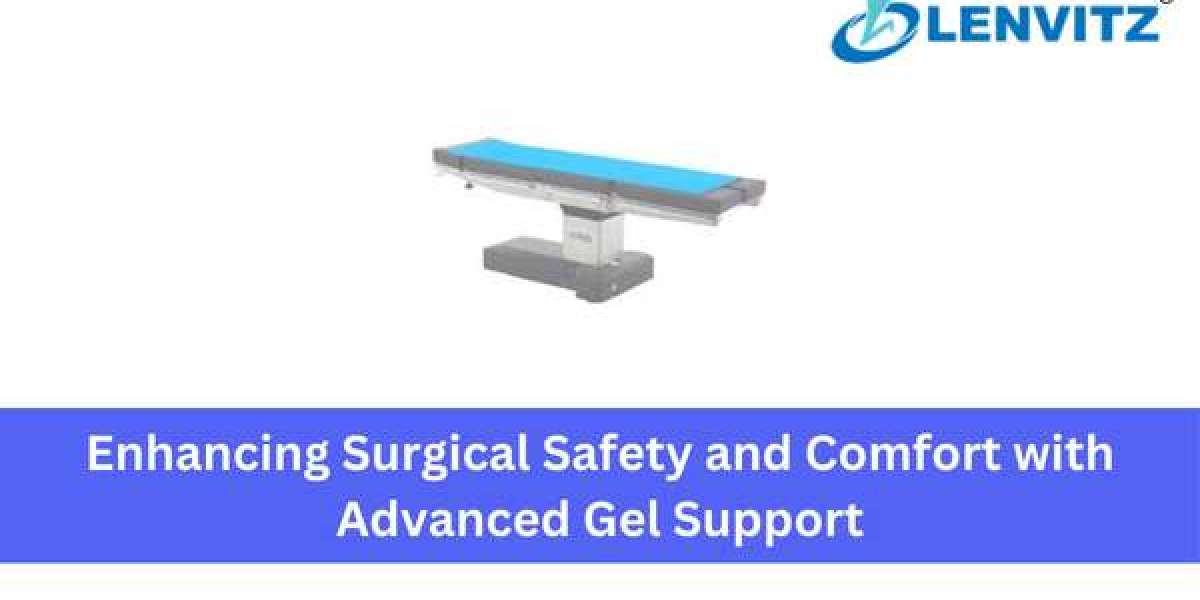
When we think about surgery, we often focus on the surgeon’s skill or the high-tech monitors. However, there is a silent hero in the operating room that plays a massive role in patient outcomes: patient positioning.
Spending hours on a surgical table isn't just uncomfortable; without the right support, it can lead to pressure sores or nerve damage. That is where high-quality OT table mats and specialized gel pads come into play.
What are OT Table Mats and Why Do They Matter?
An OT table mat is much more than a simple cushion. These mats are engineered using medical-grade materials—often silicone or viscoelastic polymer—to redistribute weight evenly. During long procedures, the body’s "bony prominences" (like the hips, heels, and elbows) bear the brunt of the pressure.
Standard foam can bottom out, but an advanced OT table mat maintains its integrity, ensuring that blood flow remains steady and the skin remains intact. For a hospital, investing in these mats isn't just about comfort; it's about preventing post-operative complications that can extend recovery time.
The Versatility of Gel Pads in the Operating Room
While the mat covers the table, gel pads provide targeted support for specific parts of the anatomy. These pads mimic the texture of human fat tissue, providing a "second skin" that reduces shear and friction.
The Critical Role of Prone Position Gel Pads
In many spinal, posterior, or rectal surgeries, patients must be placed face-down. This is known as the prone position. This stance puts immense pressure on the chest, knees, and especially the face.
Prone position gel pads are specifically designed to:
- Maintain a clear airway for the patient.
- Protect the eyes and forehead from excessive pressure.
- Support the chest and pelvis to allow for natural abdominal rise and fall during anesthesia.
Without specialized prone position gel pads, the risk of "Pressure Injury" increases significantly, making these tools indispensable for surgical teams.
Protecting the Extremities: The Arm Rest Gel Pad
Nerve damage in the arms is one of the most common—yet preventable—surgical complications. When a patient is under anesthesia, they cannot feel if their arm is slightly rotated or if a nerve is being pinched against a hard surface.
Using an arm rest gel pad ensures that the ulnar nerve and the brachial plexus are cushioned. These pads:
- Prevent "wrist drop" or numbness after surgery.
- Provide a stable, non-slip surface for intravenous lines.
- Absorb the vibrations and shifts that occur during the procedure.
A simple arm rest gel pad can be the difference between a patient waking up ready for rehab or waking up with new, avoidable neurological pain.
Summary: A Foundation of Care
Choosing the right surgical positioning equipment is a hallmark of a high-standard medical facility. By utilizing a combination of a full-body OT table mat, targeted gel pads, and specific stabilizers like prone position gel pads and the arm rest gel pad, surgical teams can focus entirely on the procedure, knowing the patient’s physical integrity is protected.
The goal of every surgery is healing. By prioritizing these specialized surfaces, hospitals ensure that the path to recovery begins the moment the patient is laid on the table.