Anime Embroidery Patches: A Buyer Guide for Small Brands
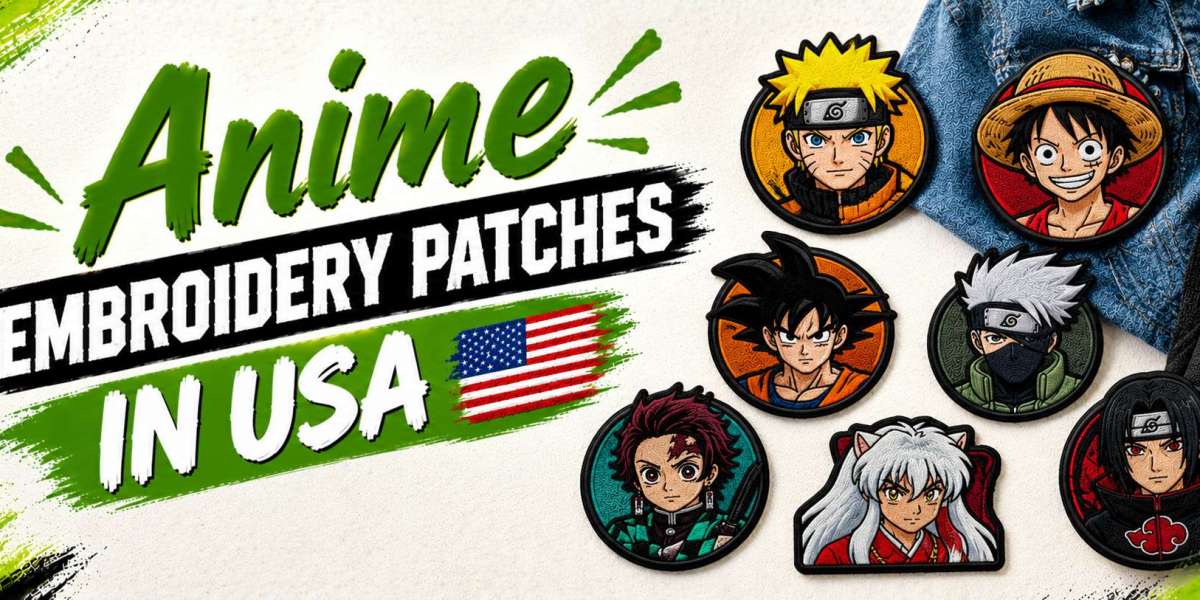
Anime-inspired clothing appeals to fans, independent artists, streetwear labels, and online merchandise sellers. Anime embroidery patches can add stitched artwork to jackets, bags, caps, and other products. Before ordering, buyers should consider the design, finished size, artwork rights, attachment method, and production process. These decisions help businesses prepare designs that suit their products and intended customers.
What should buyers know about anime embroidery patches?
Anime embroidery patches are fabric pieces decorated with stitched characters, symbols, lettering, or other anime-inspired artwork. Businesses may use them on denim jackets, backpacks, club merchandise, or limited clothing collections. The finished appearance depends on the artwork, stitch detail, patch material, and manufacturing method.
For a small business, the first step is to decide what the patch needs to communicate. A recognizable character silhouette may work better at a small size than an illustration filled with tiny facial details. A logo or series-inspired symbol may also suit a different product than a full character portrait.
Which designs work best for embroidery?
Embroidery translates artwork into thread, so not every illustration will reproduce exactly as it appears on a screen. Clean outlines, distinct shapes, and readable lettering generally provide a clearer starting point. Designs with many gradients, subtle shadows, or very small details may need simplification before production.
When planning anime embroidery patches, consider how customers will see the design on the actual garment. Fine lines that appear clear on a large monitor may become difficult to distinguish on a small patch. Ask the digitizer or manufacturer to review the design at its intended size before approving it.
Color selection matters, too. Choose thread colors that separate important features from the background. If the character has dark hair, dark clothing, and a dark outline, the design may need a contrasting border or revised color placement to remain recognizable. A practical design review can identify these issues before production begins.
What materials, shapes, and backing should you choose?
Patch construction affects both appearance and use. Embroidered patches offer a textured surface, while woven patches may retain certain fine details more clearly. Printed patches can suit artwork with gradients or photographic effects. Ask the supplier which construction is appropriate for your specific illustration rather than selecting a method based only on appearance.
For anime embroidery patches intended for jackets or backpacks, consider the weight of the patch and the material underneath it. A thick patch may feel uncomfortable on lightweight clothing, while a larger design may need a secure attachment method. Common shapes include circles, rectangles, shields, and custom outlines.
Backing should match how the product will be used. Sew-on patches can suit frequently worn garments. Iron-on backing may be convenient when the fabric tolerates the required heat, while hook-and-loop backing can help users remove or replace a patch. Confirm the available options with the physical manufacturer and test a sample when practical.
How should you prepare artwork for digitizing?
Start with the cleanest original artwork available. Vector files such as AI, EPS, and CDR are useful because they preserve defined paths. High-resolution PNG or JPG files may also be suitable. Avoid blurry screenshots when you can obtain a better source file.
When submitting anime embroidery patches artwork for digitizing, include the finished width and height, intended placement, fabric or patch material, thread colors, and required machine format. Explain whether small lettering must remain readable or whether specific outlines and color separations are essential. These details give the digitizer useful production context.
Digit-it’s artwork preparation guide explains which files and specifications to provide. Its vector file formats guide also describes common artwork formats.
Why does embroidery digitizing matter?
Embroidery digitizing converts artwork into stitch instructions that a compatible embroidery machine can read. The file controls stitch paths, sequence, underlay, density, trims, and color changes. A JPG or PNG is an image, not a machine-ready stitch file, so it needs digitizing before an embroidery machine can stitch it.
For anime embroidery patches, digitizing is especially important when the design contains facial features, small text, sharp outlines, or several overlapping colors. Excessive detail may become unclear at the final size. A digitizer may need to adjust stitch direction or simplify small elements to make the design more suitable for embroidery.
Digit-it offers a patch digitizing service for preparing designs for embroidery production. Its FAQ page explains that the company provides embroidery digitizing and vector conversion, rather than sewing garments in-house. Businesses needing finished physical patches should confirm manufacturing and shipping with a separate supplier.
How can small businesses compare suppliers?
Before placing an order, confirm whether the supplier provides physical patches, digital stitch files, or both. These are different services. For physical products, ask about materials, finished dimensions, backing, edge finish, sample approval, and delivery arrangements. For digitizing, specify the artwork, design size, and embroidery machine format.
When comparing anime embroidery patches suppliers, review samples at their intended size rather than relying entirely on enlarged product photos. Look at the clarity of small details, the consistency of the border, and how the patch sits on the intended garment. Ask how artwork revisions are handled before approving production.
Small businesses should also consider intellectual property. Anime characters and franchise artwork may be protected by copyright or trademarks. Before selling merchandise featuring recognizable characters, obtain the necessary permission or use artwork you have the legal right to reproduce. Buying a stitch file or having an image digitized does not automatically grant merchandise rights.
What should you check before approving production?
Use this checklist to prepare a clear production brief:
- Confirm the design's intended use and finished dimensions.
- Review the artwork at the actual patch size.
- Specify thread colors, border style, and attachment method.
- Confirm whether you need a physical product or a machine-ready file.
- Check the required stitch format against your embroidery machine.
- Request a sample sew-out or physical sample when appropriate.
- Confirm that you have permission to use the artwork commercially.
These checks can help reduce misunderstandings and make it easier to compare supplier proposals. Keep the final artwork and approved specifications together so future orders can follow the same design brief.
Frequently asked questions
Can detailed anime characters be embroidered on patches?
Yes, but the result depends on the design size and level of detail. Small facial features, thin outlines, and tiny text may need simplification to remain clear when stitched.
Which file formats should I send to a digitizer?
AI, EPS, and CDR vector files are useful options. High-resolution PNG or JPG files may also work. Include the intended dimensions, placement, material, thread colors, and required machine format.
Are anime embroidery patches the same as embroidery files?
No. A patch is a physical item, while an embroidery file contains stitch instructions for a compatible machine. A digitizing provider prepares the file; a manufacturer or embroidery shop produces the physical item.
Can I sell patches featuring popular anime characters?
You should first confirm that you have the necessary rights or permission to use the characters and related artwork commercially. Digitizing artwork does not itself provide copyright or trademark permission.
Does Digit-it ship finished embroidered patches?
Digit-it’s FAQ describes its services as embroidery digitizing and vector conversion, not in-house garment sewing. Contact the company to confirm whether its digital service fits your project. For finished patches, check with a physical-product supplier.
Prepare your next patch design
Before starting production, define your artwork, finished size, material, attachment method, and required file format. Review the design at its intended dimensions and confirm your rights to use the artwork commercially. A clear brief helps digitizers and manufacturers understand what you need.
If you need machine-ready files for anime embroidery patches, review Digit-it’s patch digitizing service. For questions about file requirements or the digitizing process, visit the Contact Us page.
Ready to get started? Get a Free Quote Now or Contact Us today to turn your ideas into stunning embroidered art.
Author: Digit-it
Experts in Custom Embroidery Digitizing – Trusted by Clients Nationwide
Website: www.digit-it.com | Email: [email protected] |
Contact: +1(231)-821-5515
WhatsApp: +44 7598 989500
Secure, Professional, and Committed to Quality – View our About Page and Contact Information for Trust & Support.