Why does the shape you were hoping for seem to take so long to appear?
Introduction
Swelling is the part of recovery that surprises people most, because it can hide the result for a long time. If you are preparing for Liposuction in Islamabad, the direct answer is that swelling usually peaks within the first week, improves noticeably over the first few weeks and then fades gradually over several months, with the final contour appearing slowly. The pace depends on the areas treated, the amount of fat removed and how your body heals. This article describes a general timeline, explains why swelling happens and lists what helps and what should prompt a call to your surgeon.
How long does swelling last after liposuction in Islamabad?
There is no single answer, because healing varies from person to person. Most swelling is most visible in the first week, then falls noticeably over the next few weeks, and the remainder settles slowly over months. Larger treatments and areas that are affected by gravity, such as the thighs and lower abdomen, tend to stay swollen for longer. Some firmness or puffiness can linger beyond the first few months in some people. Your surgeon can give a rough timeline for your own plan. Treat any general timeline as a guide, not a promise.
Why does swelling happen after liposuction?
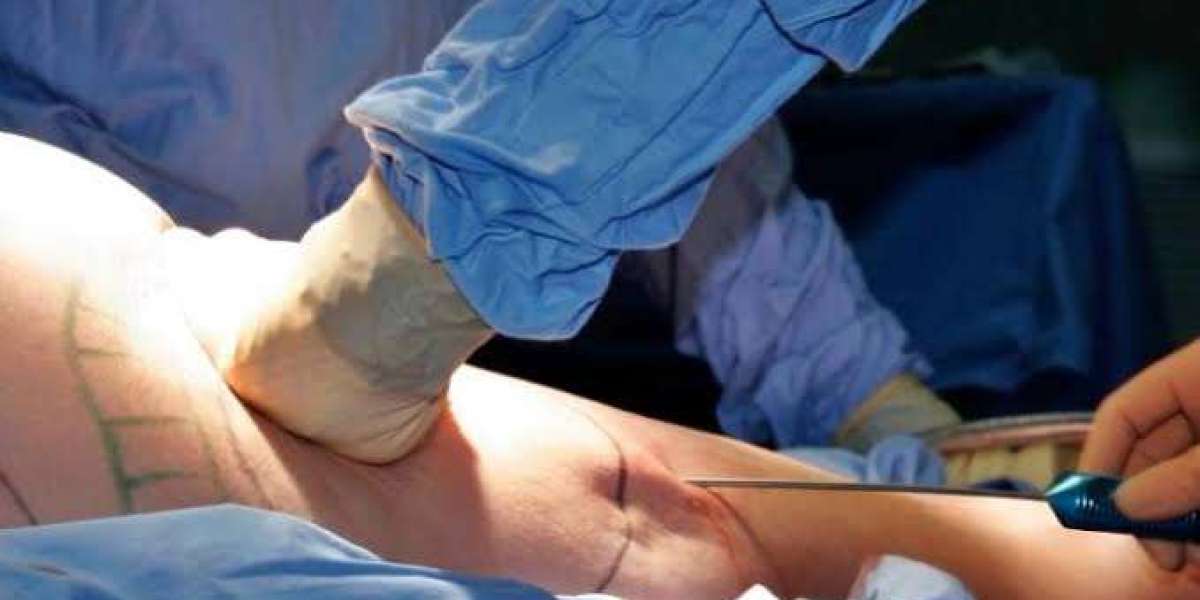
Liposuction disturbs small blood vessels and lymph channels in the fatty layer, and the body responds by sending fluid and healing cells to the area. This is a normal part of healing, but the extra fluid takes time to drain and be absorbed. The tissue also contains remnants of the fluid used during surgery, and bruising adds to the puffiness. Because lymph channels have been disrupted, drainage is slower than usual for a while. This is why swelling can seem to come and go, and why it often feels worse at the end of the day.
What does the swelling timeline look like?
A rough pattern helps you know what to expect. Swelling builds over the first days, peaks around the end of the first week, and then eases. By about a month, much of the visible swelling has usually improved, though the area may still feel firm. Over the following months the remaining swelling resolves and the contour sharpens. The table below summarises a typical pattern. Remember that your own timeline may be faster or slower, and that larger treatments take longer. Do not judge the result too early, since the shape you see in the first weeks is not the final one.
| Period | What swelling often looks like |
|---|---|
| Days 1 to 3 | Increasing swelling and bruising |
| Week 1 | Swelling at or near its peak |
| Weeks 2 to 4 | Gradual improvement, area may feel firm |
| Months 2 to 3 | Much of the swelling settles, contour improves |
| Months 3 and beyond | Remaining swelling fades, final shape emerges |
Why do some areas stay swollen longer?
Gravity pulls fluid downward, so the lower abdomen, thighs, knees and ankles can hold swelling longer than the upper body. Areas with more movement or friction may stay irritated for longer, and larger treatments leave more tissue to heal. Your own tendency to retain fluid, your health and your activity levels matter too. If you are comparing this with a bigger operation such as tummy tuck swelling, you will find that more extensive surgery tends to involve longer-lasting swelling. Asking your surgeon how long your areas are likely to take helps you plan work and social events.
What can I do to reduce swelling?
Follow your surgeon’s aftercare precisely. Wear the compression garment as directed, walk gently and regularly to support circulation and avoid long periods of sitting or standing still. Elevate your legs when resting if you have had lower body treatment, and drink enough water. Reduce salt in your meals, since it encourages fluid retention. Avoid strenuous exercise, heat exposure and alcohol until your surgeon approves. Some surgeons recommend massage or lymphatic drainage at the right time, but you should only start these if advised. When you plan Liposuction in Islamabad, ask which measures are recommended for your case.
Does the compression garment really help?
Yes, a properly fitted compression garment supports the tissue, limits fluid build-up and helps the skin settle against the new contour. It should feel snug and supportive, but it should not cause severe pain, numbness, tingling or colour changes in the skin, and it should not roll or bunch. Your surgeon will tell you how long to wear it each day and for how many weeks. Wearing it inconsistently may prolong swelling, while wearing one that is too tight can cause problems. If the garment feels wrong, ask the clinic to check the fit.
When is swelling a warning sign?
Most swelling is normal, but some patterns need attention. Swelling that is sudden, severe or confined to one side, increasing redness or heat, a bad smell or pus from an incision, fever, increasing pain and a swollen, painful leg are all reasons to call the clinic. Chest pain or breathlessness requires emergency care. A pocket of fluid under the skin, known as a seroma, can occur and may need to be drained. Do not wait to see whether these resolve. Save the clinic’s number in your phone, and ask what to do outside normal hours.
When will I see my final shape?
The final shape appears gradually as the swelling subsides and the tissues settle, which takes months in most cases. Early photographs can look disappointing, because swelling, bruising and firmness hide the contour, so patience is important. Weight stability matters during this period, since gaining weight can change the result. If your areas look uneven or firm, remember that this is common and often improves, and ask your surgeon before drawing conclusions. If you are curious about other procedures meanwhile, the clinic’s overview of its procedures can answer many questions.
FAQs
Is it normal for swelling to get worse in the evening?
Yes, gravity and activity during the day can increase swelling, and it often improves with rest.
Will massage help?
Some surgeons recommend it at the right time, but only start it if your surgeon advises.
Can swelling come back after improving?
Mild fluctuations are common, especially after activity, but sudden or severe swelling should be reported.
Is firmness normal?
Yes, the area can feel firm or lumpy for weeks to months while it heals, but ask your surgeon if you are worried.
Final Thoughts
Swelling is a normal and temporary part of liposuction recovery, but it tests your patience. If you are preparing for Liposuction in Islamabad, expect the first weeks to show the area at its most swollen and the months afterwards to bring the shape you were hoping for. Follow your aftercare, wear your garment, move gently and report anything unusual early. Give your body the time it needs, and judge the result only after the swelling has had a chance to settle.
About the doctor and clinic:
Medically reviewed by Dr. Ahmed Ali, Plastic and Reconstructive Surgeon
Recovery after surgery at Glamorous Aesthetics Clinic (Glam Aesthetics), an IHRA-licensed clinic in Islamabad, is overseen by Dr. Ahmed Ali, a Plastic and Reconstructive Surgeon. He holds an MBBS from Ayub Medical College and an FCPS in Plastic Surgery, and from 2020 to 2023 he served as a Clinical Fellow in Plastic Surgery at Fauji Foundation Hospital Rawalpindi.
Clinic: Glamorous Aesthetics Clinic (Glam Aesthetics)
Address: Office 20-21, Basement, Interlace Plaza, I-8 Markaz, Islamabad
Phone / WhatsApp: +92 327 5479779
Email: [email protected]
Timings: Open 24 hours, Monday to Sunday
Consultation: Free. Reserve a visit with [Book now] on the contact page
Last updated: October 20, 2026
This article is for general information only and does not replace personal medical advice from a qualified surgeon.