Industrial manufacturing requires reliable cleaning methods to remove rust, paint, oil, and other surface contaminants from metal components. Traditional cleaning processes often involve chemicals, abrasive materials, or extensive manual labor. Laser technology offers a modern alternative that supports accurate surface treatment across a wide range of industrial applications.
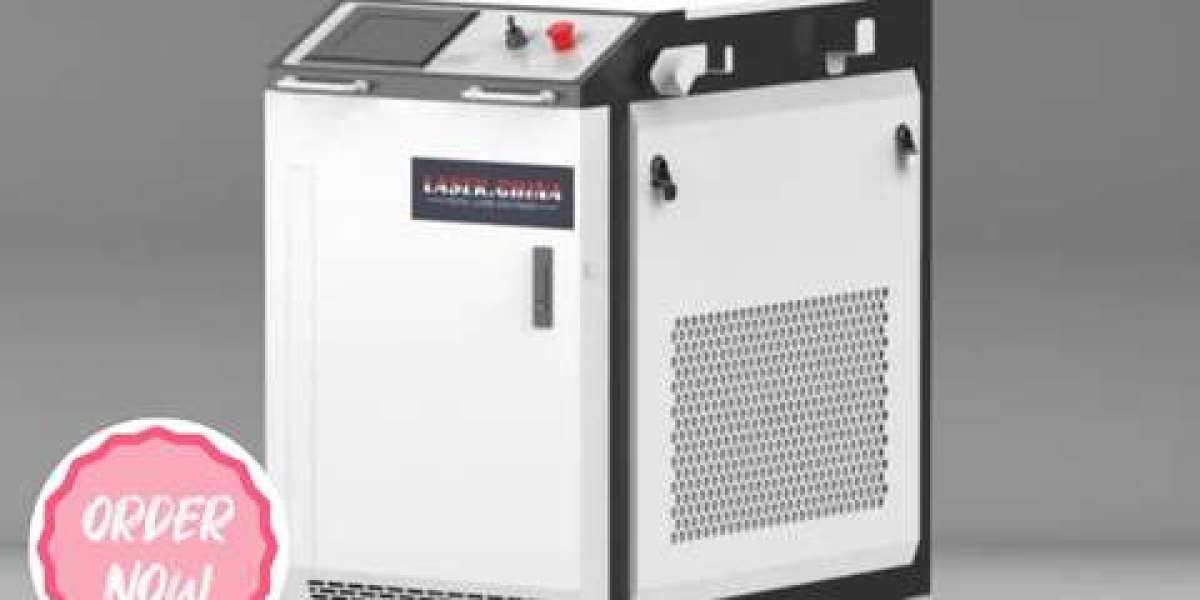
An Industrial laser cleaner uses a focused laser beam to remove unwanted materials from a surface without relying on chemical solvents or abrasive blasting media. This technology is becoming increasingly popular in manufacturing, automotive production, aerospace, metal fabrication, and industrial maintenance.
What Is an Industrial Laser Cleaning Machine?
A laser cleaning machine directs controlled laser energy onto a contaminated surface. When the laser interacts with rust, paint, oxide layers, or other unwanted substances, the energy helps separate or remove these materials from the underlying substrate.
The cleaning process can be adjusted according to the material, contamination type, and required surface condition. Operators can select suitable laser power, scanning speed, and other parameters to achieve the desired results.
Many industrial systems use fiber laser technology because it supports precise energy delivery and consistent operation. Depending on the machine design, equipment may feature handheld cleaning heads, automated scanning systems, or integration with production lines.
Common Industrial Applications
An Industrial laser cleaner can support various cleaning requirements in different industries.
1. Rust Removal from Metal Surfaces
Rust can affect the appearance, durability, and preparation of metal components. Laser cleaning helps remove corrosion from steel structures, metal tools, machinery parts, and fabricated components before further processing.
This process is particularly useful when manufacturers need controlled cleaning without introducing additional abrasive particles.
2. Paint and Coating Removal
Removing old coatings is often necessary before repainting, welding, repair, or refurbishment. Laser cleaning can target selected coating layers, depending on their properties and the underlying material.
Manufacturers can use this technology for maintenance projects, automotive components, industrial equipment, and metal structures.
3. Oil and Grease Cleaning
Oil, grease, and production residues may interfere with welding, bonding, coating, or assembly operations. Laser cleaning can help prepare selected surfaces by removing unwanted contaminants.
Correct parameter selection and surface testing are important to ensure the process meets the required cleanliness standards.
4. Mold and Tool Cleaning
Industrial molds and precision tools can accumulate residues during repeated production cycles. Laser cleaning can help remove deposits from selected areas while reducing dependence on conventional cleaning materials.
It is important to evaluate the tool's surface finish and material sensitivity before choosing the appropriate cleaning parameters.
Choosing the Right Laser Cleaning Equipment
Selecting suitable equipment requires an understanding of your production environment and cleaning objectives. Before purchasing a machine, consider the following factors.
Laser power: Different contamination levels and cleaning speeds require different power levels. Light surface contamination may need less energy than heavy corrosion or thick coatings.
Material compatibility: Steel, aluminum, and other metals respond differently to laser energy. Test samples before processing valuable components or delicate surfaces.
Cleaning area: A handheld system may suit maintenance tasks and irregular surfaces, while automated equipment may be more appropriate for repetitive, high-volume production.
Portability: Portable machines can be useful when components are too large or difficult to move to a dedicated cleaning station.
Control system: Adjustable parameters help operators adapt the cleaning process to different materials and contaminants.
Technical support: Consider training, maintenance assistance, spare parts availability, and warranty coverage when comparing suppliers.
Understanding Industrial Laser Cleaner Prices
The price of an Industrial laser cleaner depends on several factors, including laser power, laser source, cooling system, cleaning head design, automation level, and overall equipment configuration.
Lower-power systems may be suitable for light-duty cleaning and smaller components, whereas higher-power machines may be required for demanding industrial applications. Automated systems can also involve additional costs for motion controls, integration, and safety equipment.
When requesting a quotation, provide details about the material, contamination type, surface dimensions, desired cleaning speed, and daily operating requirements. Sharing sample parts or photographs with a supplier can help identify a suitable configuration.
Rather than comparing machines on price alone, evaluate cleaning performance, operating requirements, service support, and expected production volume.
Safety and Maintenance Considerations
Laser cleaning requires appropriate safety procedures. Industrial laser systems can present serious eye and skin hazards, and the cleaning process may generate airborne particles or fumes from coatings and contaminants.
Operators should use suitable laser-rated protective equipment, controlled work areas, appropriate enclosures where required, and effective fume extraction. Follow the manufacturer's instructions and applicable laser safety regulations.
Regular maintenance also supports reliable operation. Inspect cables, connectors, cooling systems, cleaning optics, and protective components according to the equipment manufacturer's maintenance schedule. Keeping optical components clean and maintaining correct operating parameters can help preserve cleaning consistency.
Why Businesses Are Investing in Laser Cleaning
Manufacturers increasingly look for surface preparation methods that offer precise control, repeatable results, and compatibility with modern production processes. Laser cleaning can reduce reliance on consumable blasting media and certain chemical cleaning methods, depending on the application.
An Industrial laser cleaner can also be integrated into automated workflows, allowing businesses to establish repeatable cleaning procedures for frequently processed components.
Before adopting the technology, companies should conduct practical trials to verify cleaning quality, processing time, material compatibility, and overall operating costs. These evaluations help ensure the selected machine meets real production requirements.
Final Thoughts
Laser cleaning is a developing solution for industrial surface preparation, corrosion removal, coating removal, and component maintenance. Choosing the right system begins with understanding the materials being processed, the type of contamination, and the required production output.
An Industrial laser cleaner can be a valuable investment for manufacturers seeking controlled and modern cleaning methods. By comparing equipment specifications, testing representative samples, and evaluating supplier support, businesses can make an informed purchasing decision and select a solution suited to their long-term operational needs.