
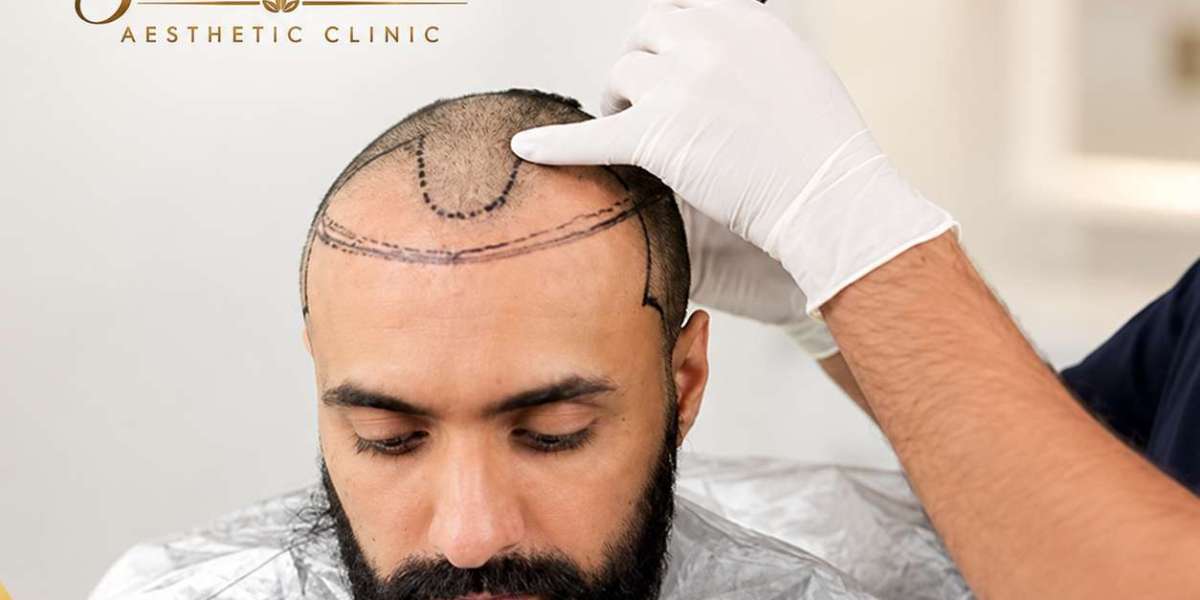
Hair loss can affect more than your appearance; it can also influence your confidence and how comfortable you feel in social situations. For many people experiencing thinning hair, bald patches, or a receding hairline, a hair transplant offers a potential long-term solution. However, one common concern before undergoing treatment is whether the procedure will leave visible scars.The good news is that modern hair restoration techniques are designed to minimize scarring while creating natural-looking results. The extent of scarring depends on the technique used, the surgeon’s expertise, your healing process, and how carefully you follow aftercare instructions.If you are considering a Hair Transplant in Islamabad, understanding the differences between hair transplant techniques, their potential risks, and the recovery process can help you make an informed decision. In this guide, we explain whether hair transplants leave scars, how visible those scars may be, and what you can do to support proper healing.
Can a Hair Transplant Leave Scars?
Yes, a hair transplant can leave scars because the procedure involves removing hair follicles from one area of the scalp and placing them into areas affected by hair loss. However, the size, appearance, and visibility of these scars depend primarily on the transplant technique.Modern procedures, particularly Follicular Unit Extraction (FUE), generally produce small scars that are difficult to notice once the scalp has healed. Follicular Unit Transplantation (FUT), on the other hand, typically leaves a linear scar at the donor site.Most patients can achieve satisfactory cosmetic results when the procedure is performed by a qualified medical professional and appropriate aftercare is followed. However, no hair transplant technique is completely scar-free.
What Types of Scars Can a Hair Transplant Leave?
The type of scarring largely depends on the method used to extract hair follicles from the donor area.
FUE Hair Transplant Scars
Follicular Unit Extraction, commonly known as FUE, involves extracting individual hair follicular units from the donor area, usually at the back or sides of the scalp. The follicles are then implanted into areas experiencing hair thinning or baldness.
This technique creates tiny, round wounds at the extraction sites. As these wounds heal, they generally leave small dot-like scars.
FUE is often chosen by patients who want to minimize visible scarring. Nevertheless, the final outcome depends on individual healing, extraction density, and surgical technique.
What Factors Affect Hair Transplant Scarring?
Although the surgical technique plays an important role, several other factors influence how scars develop and appear.The experience and skill of the medical professional performing the procedure can affect the size and distribution of scars. Appropriate graft extraction, careful handling of tissue, and proper wound closure help reduce avoidable damage.Everyone heals differently. Some people develop fine, barely noticeable scars, while others may experience more prominent scarring due to their natural healing response.A history of hypertrophic scars or keloids should be discussed during the initial consultation.Removing too many grafts from a limited donor area can create visible thinning, patchy areas, or more noticeable extraction marks. A suitable graft plan helps preserve the appearance and density of the donor area.Following post-procedure instructions helps support normal healing and reduces the risk of complications. Scratching the scalp, picking at scabs, or exposing healing skin to unnecessary irritation can interfere with recovery.
What Are the Benefits of Modern Hair Transplant Techniques?
Hair transplantation can offer several benefits to suitable candidates experiencing permanent hair loss.Results vary from person to person, and transplanted hair does not prevent existing non-transplanted hair from continuing to thin.
How Does the Hair Transplant Procedure Work?
Understanding the procedure can help you know what to expect and how scarring develops.
Consultation and Scalp Assessment
The process begins with an assessment of your hair loss pattern, scalp condition, donor hair density, medical history, and expectations. The medical professional determines whether transplantation is appropriate and discusses the likely results and risks.
Donor Area Preparation
The donor area is prepared according to the selected technique. Local anesthesia is generally used to reduce discomfort during extraction and implantation.
Hair Follicle Extraction
With FUE, individual follicular units are removed using a specialized extraction instrument. With FUT, a strip of scalp is removed and the wound is closed.This is the stage that determines the primary type of donor-site scar.
Graft Preparation and Implantation
The extracted follicles are prepared and placed into small recipient sites in the areas affected by hair loss. The angle, direction, and distribution of the grafts are planned to achieve a natural appearance.
Recovery and Follow-Up
After the procedure, you receive instructions on scalp care, washing, sleeping, and activity restrictions. Follow-up appointments allow the medical team to monitor healing and address any concerns.
When Do Hair Transplant Scars Heal?
Initial healing usually occurs over the first one to two weeks, although the exact timeline varies by technique and individual. Redness, small scabs, and mild tenderness may be noticeable during the early recovery period.Scar appearance can continue to change over several months as the skin matures. Hair growth also takes time, and visible transplant results commonly develop over six to twelve months, sometimes longer.It is important to distinguish between wound healing and final cosmetic results: the scalp may heal relatively quickly, but the appearance of scars and the growth of transplanted hair can continue to evolve.
Is Hair Transplantation Worth It Despite the Risk of Scarring?
For many suitable candidates, hair transplantation can be worthwhile because it offers the potential for long-term hair restoration and improved coverage. The decision should nevertheless involve a balanced assessment of expected benefits, possible complications, donor hair availability, cost, and personal preferences.FUE may be appealing if minimizing a linear scar is a priority, while FUT may be appropriate in selected cases depending on the patient's needs. Neither technique guarantees invisible scars, and the best choice should be based on an individual medical assessment.If you are exploring hair restoration options, Glam Smile Clinic can be a starting point for discussing your concerns, understanding available treatment approaches, and learning what may be appropriate for your hair loss pattern. Be sure to ask about the treating professional's qualifications, the expected donor-area appearance, and the clinic's approach to preventing and managing complications.
Conclusion
A hair transplant can leave scars, but their visibility depends on the technique, the skill of the medical professional, the number of grafts extracted, and your individual healing response. FUE generally leaves tiny dot-like scars, whereas FUT usually produces a linear scar that may be concealed by longer hair.The best way to reduce the risk of noticeable scarring is to choose an appropriate procedure, have realistic expectations, and follow professional aftercare instructions. If you are considering a Hair Transplant in Islamabad, consult a qualified hair restoration professional to discuss your suitability, expected results, and the most appropriate technique for your needs.With careful planning and appropriate medical care, many patients can achieve natural-looking hair restoration while keeping scarring as minimal as reasonably possible.
Read More:
https://healthinvelince.wordpress.com/wp-admin/post.php?post=11&action=edit