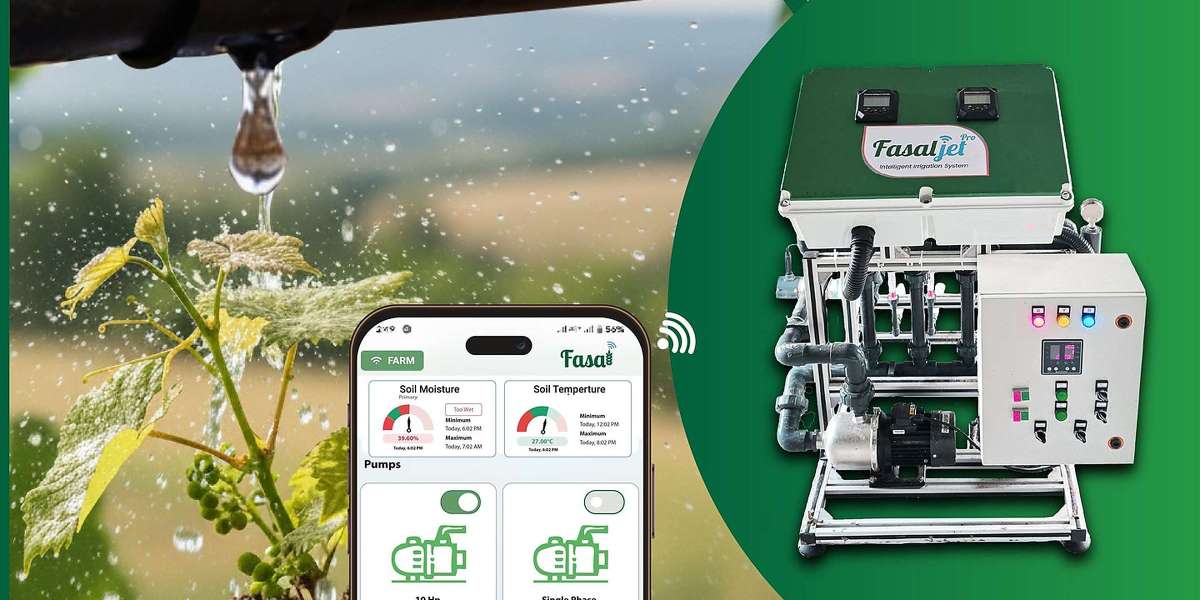
A successful fertigation system does more than deliver fertilizer through irrigation water. It helps farmers manage how nutrients are supplied to crops, coordinate fertilizer application with irrigation, and maintain better control over field operations. As farms expand and irrigation requirements become more complex, controlled nutrient delivery is becoming an important part of modern agricultural management.
Traditional fertilizer application often requires separate labour, equipment, and field operations. Depending on the crop and application method, this can make nutrient management time-consuming and difficult to coordinate with irrigation. A fertigation system combines fertilizer application with the irrigation process, allowing dissolved nutrients to be distributed through the water supply to the crop's root zone.
The effectiveness of fertigation depends on several factors, including fertilizer solubility, water quality, irrigation uniformity, crop requirements, and the accuracy of nutrient dosing. Farmers must also consider the compatibility of fertilizers, the risk of precipitation inside pipelines, and the need to flush irrigation lines after application. Proper planning helps maintain system performance and reduces the likelihood of blockages.
For farms using drip irrigation, fertigation can support more targeted nutrient delivery. Rather than relying entirely on separate field-wide fertilizer applications, growers can divide nutrient application into planned doses that fit their crop management programme. The appropriate frequency and concentration depend on the crop, its growth stage, soil conditions, and the recommendations of an agricultural expert.
However, installing fertilizer injection equipment is only one part of an effective fertigation strategy. Farmers also need a reliable way to manage irrigation operations, coordinate fertilizer application, and maintain consistent procedures across different plots. As the number of irrigation zones increases, manual coordination can become more demanding.
FasalJet Pro addresses the operational side of this challenge through irrigation an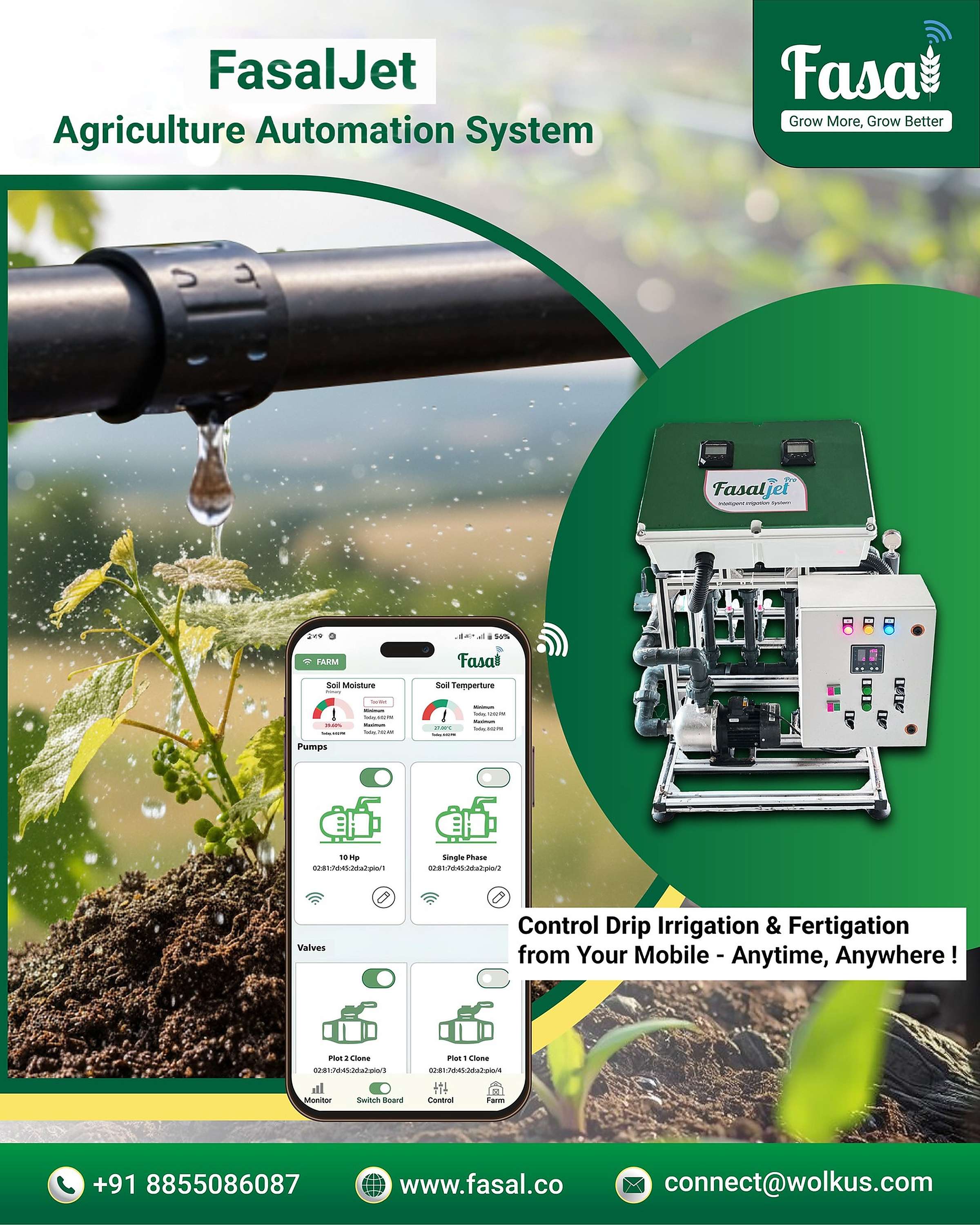 d fertigation automation. It supports scheduled operations and mobile app-based control, helping farmers manage irrigation and nutrient application with less dependence on repeated manual intervention. Its capabilities can help organise routine farm operations while allowing farmers to retain control over their irrigation practices.
A fertigation system should ultimately be selected according to the farm's crop requirements, water supply, irrigation layout, fertilizer programme, and operational needs. When suitable equipment is combined with sound nutrient management, proper maintenance, and informed scheduling, fertigation can become a practical tool for more organised and controlled crop nutrition.