A modern Access Control System gives Kuwait enterprises a dependable way to decide who enters a building, when they enter, and which areas they can reach. From Kuwait City towers to Salmiya business parks and Shuwaikh logistics hubs, security managers now expect identity verification, audit records, and central visibility inside one connected platform.
Commercial real estate in Kuwait is growing in height, density, and complexity. Tenants share lobbies, contractors move through service corridors, and executives expect frictionless entry. Traditional keys and standalone card readers cannot deliver that balance. This guide explains how Kuwaiti organizations can plan, deploy, and manage a modern entry management platform that supports daily operations and long-term growth.
Why Kuwait Enterprises Need Stronger Entry Management
Kuwait Vision 2035 is pushing banks, oil service companies, healthcare groups, and government contractors to modernize their facilities. Each of these sectors manages sensitive people, data, and equipment. A single unmanaged door can expose trade secrets, delay an audit, or create a safety risk during an emergency evacuation.
Physical security teams also face a practical challenge: staff numbers change constantly. New hires need credentials on the first day, contractors need temporary permissions, and departing employees must lose entry rights immediately. Centralized credential management solves these problems by connecting human resources records with every protected door, turnstile, and elevator.
Core Components of a Commercial Platform
A reliable deployment is built from three connected layers. Understanding each layer helps procurement teams compare vendors fairly and avoid hidden integration costs.
Readers and Credentials
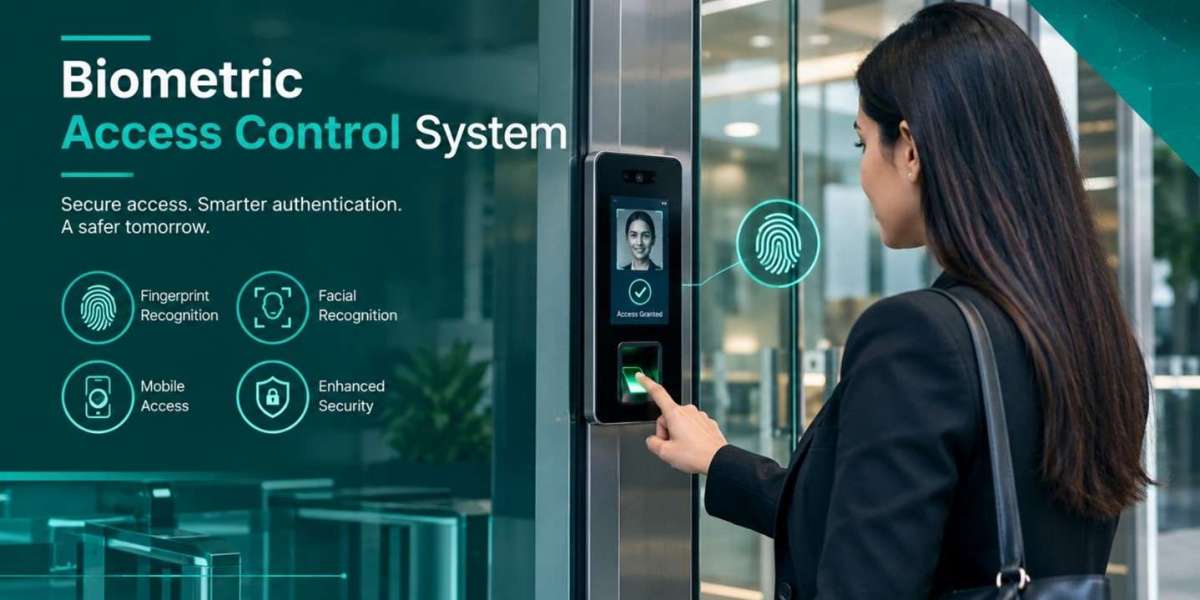
Readers verify the identity presented at the door. Options include proximity cards, smart cards, PIN keypads, fingerprint modules, facial recognition terminals, and smartphone credentials. HID Global, a recognized leader in secure identity technology, supplies many of the readers used in regional enterprise projects, and its encrypted credential formats help reduce cloning risk.
Controllers and Door Hardware
Controllers make the final entry decision using stored permissions. Intelligent controllers such as the HID Aero series continue to operate when the network drops, so employees are never locked out because of a switch failure. Electric strikes, magnetic locks, and request to exit sensors complete the hardware layer, and fire alarm interfaces ensure doors release safely during emergencies.
Management Software and Audit Trails
Software turns hardware into an intelligent security program. Administrators assign role based permissions, create time schedules, and review event logs in real time. Detailed audit trails support internal investigations, insurance reviews, and compliance checks. Dashboards highlight forced doors, held open doors, and repeated failed attempts so operators can respond quickly.
Door Access Control for Offices, Campuses, and Data Rooms
Effective Door Access Control begins with a risk map of the building. Public lobbies need fast throughput, while server rooms, treasury areas, and laboratories need stricter rules. Security designers usually group doors into zones, then apply different credential requirements to each zone. A lobby may need one card tap, whereas a data room may require a card plus a fingerprint, which delivers multi factor assurance without slowing the entire workforce.
Parking gates, elevator destination controls, and tenant floor restrictions extend the same rules across the whole property. This unified approach gives facility managers one policy engine instead of several disconnected systems.
Biometric Verification and Regional Benchmarks
Biometrics tie entry rights to a person rather than a card that can be shared or lost. Face and fingerprint terminals are especially useful for high-risk areas and for shift-based workforces. Enterprises that operate in both Kuwait and the UAE often follow the same identity strategy used in Biometric Access Control Kuwait projects, which keeps enrolment records, privacy settings, and employee transfers consistent across borders.
Privacy matters as much as accuracy. Good practice includes encrypted template storage, clear consent notices, limited retention periods, and administrator permissions that prevent casual viewing of personal data. Presentation attack detection adds another layer by rejecting photos, videos, and masks.
Integration with Video, Visitor, and Building Systems
Entry management delivers the most value when it shares information with other platforms. When a door alarm triggers, linked CCTV cameras can display the exact scene to the control room. Visitor management software can pre-register guests, print badges, and issue temporary credentials that expire automatically. Integration with elevator controls, building management systems, and intercoms removes manual steps for reception teams.
Open standards make this possible. OSDP Secure Channel protects communication between readers and controllers, while open application programming interfaces connect the platform to payroll, human resources, and identity directories. Choosing open architecture protects the investment because new technologies can be added without replacing the foundation. Teams that want to explore enterprise entry management options can review the complete range of readers, controllers, and software available through Tektronix.
Compliance, Cybersecurity, and Operational Trust
Security leaders in Kuwait should confirm that every product meets recognized quality standards and that the vendor follows disciplined engineering practices. Look for ISO 27001 aligned information security processes, encrypted communication between devices, regular firmware updates, and role separation between installers and operators. These controls matter because connected doors now sit on the same networks as business applications.
Experience is the best proof of capability. Tektronix designs and supports security technology across the Gulf Cooperation Council, and its engineers work with HID Global technology on enterprise projects that demand reliability. Certified project managers, documented commissioning tests, and local support teams give clients clear accountability from the first site survey through the final handover. Organizations that want a Tektronix security integration team to review their buildings can request a structured assessment.
Industry Use Cases Across Kuwait
Banking and Financial Services
Branches, treasury floors, and cash handling rooms need strict zoning and detailed event records. Dual authentication on vault corridors and automatic lockdown on alarm events help banks meet internal audit expectations and regulatory reviews.
Healthcare and Education
Hospitals protect pharmacies, laboratories, and patient records areas, while universities manage lecture halls, dormitories, and research labs for thousands of students. Scheduled permissions open doors only during approved hours, which reduces manual key handling for both sectors.
Oil, Energy, and Logistics
Industrial sites in Shuwaikh and Ahmadi require rugged readers, contractor tracking, and muster reporting during emergencies. Real time presence data tells safety officers exactly who is on site, which supports faster evacuation decisions and better compliance records.
Implementation Roadmap for Kuwaiti Organizations
A successful project follows a clear sequence. First, a site survey documents doors, cabling routes, power sources, and existing equipment. Second, the design phase defines zones, credential types, integration points, and failover behaviour. Third, installers mount hardware, configure controllers, and test every door against the approved matrix. Fourth, administrators receive training and the enterprise migrates users from the old method to the new one in controlled phases.
After go live, scheduled maintenance keeps performance steady. Firmware updates, battery checks, reader cleaning, and quarterly permission reviews prevent small issues from becoming security gaps. Annual reports on door events, alarms, and visitor volumes also help leadership plan budgets and justify future upgrades.
Conclusion
Commercial security in Kuwait now depends on dependable and connected entry management. A well-planned Access Control System Kuwait deployment protects people, assets, and data. Scalable Access Control Solutions adapt as offices, campuses, and tenant needs expand. Tektronix brings HID technology, local planning, and lifecycle support to every project.
Contact Tektronix today to design a secure and future ready entry platform.