Hospitals in Bahrain manage some of the most sensitive spaces in the country — operating theatres, pharmacy stores, neonatal units, and patient data centers. A reliable Access Control System is what stands between these critical areas and unauthorized entry, giving hospital administrators precise control over who can enter which zone, and at what time, without slowing down the daily flow of doctors, nurses, and patients.
Biometric Access Control System for Restricted Clinical Zones
For high-security areas such as operating theatres, pharmacy stores, and neonatal units, a Biometric Access Control System using fingerprint, iris, or facial recognition offers verification that cannot be shared or duplicated the way a card or PIN can. Iris and fingerprint scanners are especially suited to dual-authentication setups where hospitals want two independent identity checks before granting entry to the most sensitive zones.
Security Access Control System for Layered Hospital Protection
A well-designed Security Access Control System applies different verification levels to different parts of the campus — simple card access for general staff corridors, biometric checks for clinical zones, and dual-factor authentication for data centers and controlled-drug storage. This layered approach ensures security is proportional to risk rather than uniformly applied everywhere.
Door Access Control for Wards, Pharmacies, and Server Rooms
At the individual door level, Door Access Control hardware — electric strikes, magnetic locks, and networked readers — enforces the access policy set centrally by hospital administration. Each door can carry its own schedule, so a pharmacy store might automatically lock outside business hours while a ward entrance remains accessible to on-duty staff around the clock.
Mobile Access Control for Staff Convenience and Flexibility
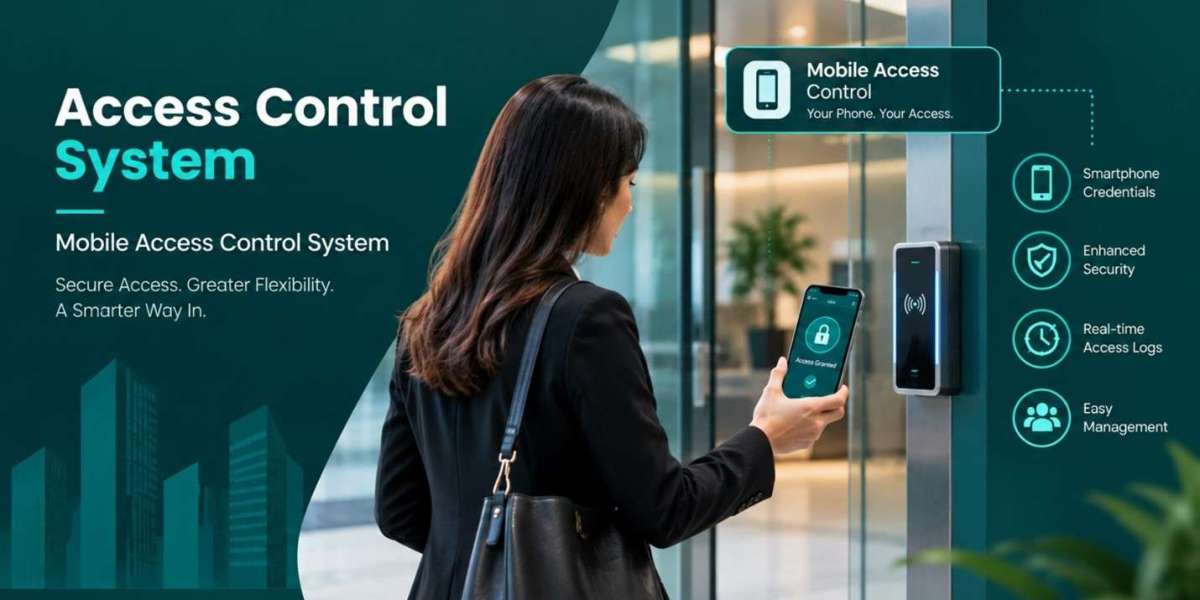
Increasingly, hospital staff are moving away from physical cards altogether. Mobile Access Control lets clinical and administrative employees unlock approved doors directly from a smartphone app using Bluetooth or NFC, reducing the operational burden of issuing, replacing, and deactivating physical badges — particularly useful for large hospital campuses with high staff turnover or rotating shift workers.
Choosing the Right Access Control Device for Your Hospital Campus
Hardware selection should match both the traffic volume and risk profile of each entry point. A busy staff entrance needs a fast, durable Access Control Device capable of handling hundreds of daily reads without failure, while a server room or controlled-substance store benefits more from a slower, higher-assurance biometric reader. Weatherproof housings are also essential for any device installed at outdoor entrances or loading docks exposed to Bahrain's climate.
Facility managers should also consider integration capacity — whether a device can connect to Active Directory, send SMS and email alerts, and feed data into a centralized reporting dashboard — rather than evaluating hardware in isolation from the software managing it.
Conclusion
Securing a hospital campus in Bahrain requires more than a lock on the door. From biometric verification at operating theatres to networked door hardware at pharmacy stores and mobile credentials for on-the-move clinical staff, a modern access control system gives healthcare administrators precise, auditable control over every entry point without disrupting patient care. Whether the priority is a security access control system for layered protection, a dedicated biometric access control system for the most sensitive wards, or a scalable access control system for hospitals across Manama and the wider Kingdom, the right access control device and platform combination makes the difference between reactive security and proactive protection. As Bahrain's healthcare sector continues to modernize, investing in a proven access control system built specifically for clinical environments is becoming a baseline expectation rather than an optional upgrade — and partnering with a provider that understands regional healthcare compliance makes that transition considerably smoother.