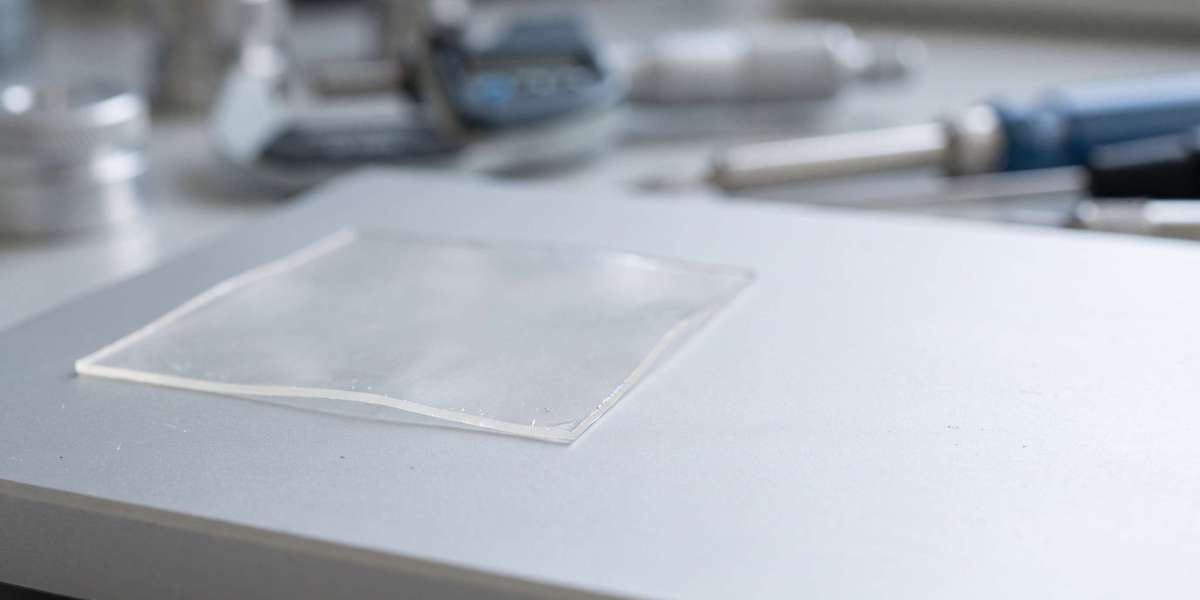
Nafion 117 is a specialized polymer membrane widely used in electrochemistry, fuel cell technology, water electrolysis, and scientific research. It belongs to a family of perfluorosulfonic acid membranes known for their chemical stability, proton conductivity, and ability to transport ions under suitable operating conditions. Researchers and engineers use Nafion 117 when they need a membrane that allows protons to move while helping separate gases, liquids, or different chemical environments. Its distinctive structure makes it useful in electrochemical systems where efficient ion transport is essential. Understanding its composition, properties, applications, and limitations can help users determine whether it is suitable for a particular laboratory or industrial process.
What Is Nafion 117?
Nafion 117 is a proton-conducting polymer membrane made from a fluorinated polymer containing sulfonic acid groups. These chemical groups enable the membrane to conduct positively charged hydrogen ions, commonly called protons, when sufficient moisture and suitable operating conditions are present. The fluorinated polymer backbone provides chemical resistance and structural stability, while the sulfonic acid groups support ion transport.
Nafion 117 is commonly associated with proton exchange membrane technology. In these systems, the membrane separates different regions of an electrochemical cell while allowing protons to travel through it. This selective transport helps electrochemical reactions occur in a controlled environment.
The membrane is often selected for research and engineering because it combines proton conductivity with durability and resistance to many chemicals. However, its performance depends on factors such as temperature, humidity, chemical exposure, and membrane preparation.
Chemical Composition and Structure of Nafion 117
Nafion 117 contains a fluorocarbon-based polymer backbone with side chains that terminate in sulfonic acid groups. The fluorinated backbone contributes to the material's chemical resistance, while the ionic side groups interact with water and support proton movement.
When the membrane absorbs water, its internal structure develops hydrated regions that facilitate proton transport. These regions are essential to its operation because proton conductivity generally improves when the membrane has adequate hydration. If the membrane becomes too dry, proton movement can become more difficult, increasing electrical resistance.
The membrane's structure is particularly useful in electrochemical applications because it combines a relatively stable polymer framework with hydrophilic ionic regions. This combination allows it to function as a solid electrolyte in systems that require controlled proton transport.
Nafion 117 is not a simple small-molecule chemical with a single conventional molecular formula. It is a polymeric material, and its exact structural representation depends on the polymer architecture and its equivalent weight.
Key Properties of Nafion 117
Nafion 117 is valued for its combination of physical strength, chemical resistance, and ion transport capability. These properties make it suitable for applications where membranes must perform consistently in demanding electrochemical environments. Its most important characteristics include the following.
Proton Conductivity
Proton conductivity is one of the most important properties of Nafion 117. The membrane allows hydrogen ions to move through its hydrated ionic regions, making it useful as an electrolyte in fuel cells and other electrochemical devices. Its conductivity depends on hydration, temperature, membrane condition, and testing methods. Adequate moisture is particularly important for maintaining efficient proton transport.
Chemical Resistance
The fluorinated polymer backbone provides Nafion 117 with resistance to many chemicals and helps it maintain its structure under suitable operating conditions. This property is valuable in laboratories and industrial environments where chemical stability is essential. However, chemical resistance is not universal. Strong oxidizing conditions, aggressive chemical treatments, and unsuitable operating environments may damage the membrane or change its performance.
Physical Thickness and Strength
Nafion 117 is a relatively thick membrane compared with several other Nafion grades. Its typical dry thickness is approximately 183 micrometers, although reported values can vary slightly depending on conditioning and measurement methods. The thickness provides useful mechanical strength and can help reduce the transport of certain gases or liquid fuels compared with thinner membranes. However, a thicker membrane can also increase resistance to proton transport across its surface.
Water Absorption
Water absorption is essential to Nafion 117 because moisture helps create pathways for proton movement. When the membrane absorbs water, it swells and its dimensions change. The amount of water absorbed depends on temperature, humidity, pretreatment, and the surrounding solution. Proper hydration supports conductivity, while excessive drying can increase resistance and reduce electrochemical performance.
Thermal Stability
Nafion 117 can operate under suitable elevated-temperature conditions, making it useful in several electrochemical applications. Nevertheless, its practical operating temperature depends on moisture availability, mechanical loading, chemical exposure, and the requirements of the complete device. Excessive heat or prolonged exposure to unsuitable conditions may cause degradation or changes in membrane performance. Therefore, operating limits should be established using the manufacturer's specifications and the intended application.
How Does Nafion 117 Work?
Nafion 117 works by allowing protons to move through its internal hydrated regions while maintaining a physical barrier between different parts of an electrochemical system. Its sulfonic acid groups interact with water and provide sites that support proton transport.
In a proton exchange membrane fuel cell, hydrogen undergoes an electrochemical reaction at the anode, producing protons and electrons. The protons travel through the Nafion membrane, while the electrons move through an external electrical circuit. At the cathode, the protons combine with oxygen and electrons to produce water.
This separation of proton and electron pathways is essential for generating useful electrical energy. The membrane must maintain good contact with adjacent electrode layers while providing sufficient conductivity and limiting unwanted crossover of gases.
The same basic principle is useful in water electrolyzers and other electrochemical systems, although the reactions, operating conditions, and membrane requirements vary according to the device.
Applications of Nafion 117
Fuel Cells
Fuel cells are a major application of Nafion 117. In proton exchange membrane fuel cells, the membrane transports protons from the anode to the cathode while separating the reactants. This supports the electrochemical conversion of chemical energy into electricity.
Nafion 117 is often used in laboratory fuel cells, experimental systems, and research projects that investigate membrane performance. Its thickness can be beneficial when mechanical stability and reduced reactant crossover are important considerations. The best membrane choice still depends on the required power output, resistance, and operating environment.
Water Electrolysis
Water electrolysis uses electricity to split water into hydrogen and oxygen. Proton exchange membrane electrolyzers use an ion-conducting membrane to transport protons between the electrodes while helping keep the product gases separated.
Nafion 117 can be used in research and selected electrolysis configurations because of its proton conductivity and chemical stability under suitable conditions. Researchers must consider water quality, temperature, electrical load, catalyst compatibility, and membrane condition when evaluating its performance.
Microbial Fuel Cells
Microbial fuel cells use microorganisms to help convert chemical energy from organic materials into electrical energy. In these systems, a membrane may separate the anode and cathode compartments while supporting the movement of selected ions.
Nafion 117 has been studied as a separator in microbial fuel cells because of its proton-conducting properties. However, proton transport is not always the only factor affecting performance. Other ions may cross the membrane, and membrane cost, fouling, and differences in solution chemistry can influence the overall efficiency of the system.
Electrochemical Research
Nafion 117 is useful in research involving proton transport, membrane conductivity, electrochemical reactions, and energy conversion. Scientists can use it to investigate how temperature, hydration, pretreatment, and membrane thickness affect system performance.
Its established role in electrochemical research also makes it useful for comparing experimental results across different membrane preparation methods. Researchers should document their conditioning procedures and operating conditions because these factors can significantly influence measurements.
Chemical Separation and Sensors
Nafion 117 can serve as a selective ion-conducting layer in certain separation processes and electrochemical sensors. Its ionic groups and fluorinated structure can influence how charged species interact with the membrane.
In sensor applications, Nafion may help control the movement of interfering substances or support the performance of an electrochemical sensing layer. Its suitability depends on the target analyte, surrounding solution, electrode materials, and required sensitivity. It should not be assumed to separate every unwanted substance effectively.
Advantages of Nafion 117
One major advantage of Nafion 117 is its ability to conduct protons while providing a physical barrier between different regions of an electrochemical device. This combination is essential for many fuel cells and electrolysis systems.
Its fluorinated polymer structure provides useful chemical stability, while its relatively thick construction can offer mechanical durability in suitable applications. The membrane also has a well-established history in scientific research, making it a familiar material for experiments involving electrochemical energy conversion.
Another benefit is its adaptability to different experimental configurations. Researchers can investigate its performance under controlled conditions and compare results with those obtained using other membrane materials.
Despite these benefits, the membrane is not ideal for every system. Its thickness can increase resistance, and its performance depends strongly on water management. Selecting it requires a balance between conductivity, strength, gas crossover, cost, and operating conditions.
Limitations of Nafion 117
Nafion 117 has several limitations that researchers and engineers should understand before choosing it.
Its relatively thick structure can increase the distance protons must travel through the membrane, contributing to resistance in some device configurations. Thinner membranes may offer lower resistance, although they can introduce different mechanical and crossover challenges.
Water management is another important limitation. If the membrane dries out, its proton conductivity can decline. Changes in hydration can also affect its dimensions and mechanical properties, creating challenges during repeated operating cycles.
The material can be expensive compared with some alternative membrane materials. Its fluorinated composition also raises environmental concerns related to the production, handling, and end-of-life management of persistent fluorinated substances.
Finally, Nafion 117 is not compatible with every chemical, temperature, or electrochemical environment. Its suitability must be assessed for the specific application rather than assumed from its general reputation for chemical resistance.
Nafion 117 vs. Other Nafion Membranes
Nafion membranes are available in different thicknesses and product grades. The most suitable option depends on the balance between electrical resistance, physical strength, and reactant crossover.
Nafion 117 is relatively thick, while Nafion 115 is thinner. Nafion NRE-212 is thinner still. Thinner membranes can reduce the distance protons travel and may lower membrane resistance, but they may also require more careful mechanical handling and management of gas crossover.
A thicker membrane may be appropriate for experiments where structural durability or reduced crossover is more important than minimizing resistance. A thinner membrane may be preferred when lower resistance is a priority.
Researchers should compare verified product specifications, including thickness, conductivity, chemical compatibility, and conditioning requirements, before making a selection. Performance data measured under different humidity or temperature conditions should not be compared directly without considering those differences.
How to Store and Handle Nafion 117
Proper storage and handling help maintain the membrane's performance. Nafion 117 should be kept clean and protected from contamination, physical damage, and unsuitable chemical exposure.
Avoid folding, scratching, or stretching the membrane unnecessarily. Handle it with clean tools and follow appropriate laboratory procedures to prevent contamination from oils, dust, and other substances.
Storage conditions should follow the product manufacturer's instructions. Depending on the application, the membrane may require hydration or a specific pretreatment procedure before use. Pretreatment should be selected carefully because different procedures can change the membrane's water content and electrochemical properties.
For research applications, record the membrane's storage history, conditioning method, hydration state, and operating conditions. These details help improve repeatability and make experimental results easier to interpret.
Frequently Asked Questions About Nafion 117
What is Nafion 117 used for?
Nafion 117 is primarily used as a proton exchange membrane in fuel cells, water electrolysis systems, microbial fuel cells, and electrochemical research. It can also be used in selected sensors and separation applications.
Is Nafion 117 a polymer or a chemical compound?
Nafion 117 is a specialized fluorinated polymer membrane containing sulfonic acid groups. It is not a simple small-molecule compound with one fixed molecular formula.
What is the thickness of Nafion 117?
The typical dry thickness of Nafion 117 is approximately 183 micrometers. Its measured thickness can change with hydration and conditioning, so the relevant product specifications should be checked before use.
Why is Nafion 117 used in fuel cells?
Nafion 117 transports protons between the electrodes while helping separate the fuel and oxidant. This supports the electrochemical reactions needed to generate electricity.
Does Nafion 117 need water to work?
Water is important for maintaining effective proton conductivity. When the membrane becomes too dry, its resistance can increase and its performance may decline.
Is Nafion 117 chemically resistant?
Nafion 117 resists many chemicals under suitable conditions because of its fluorinated polymer structure. However, it is not resistant to every chemical or operating environment, so compatibility must be evaluated for the intended use.
What is the difference between Nafion 115 and Nafion 117?
The main practical difference is thickness. Nafion 117 is thicker than Nafion 115, which can affect mechanical strength, electrical resistance, and reactant crossover. The better choice depends on the design and operating requirements of the device.
Can Nafion 117 be reused?
Reuse may be possible when the membrane remains intact and its chemical and electrochemical properties are still suitable. The membrane should be inspected for contamination, physical damage, and performance changes before being used again.
Conclusion
Nafion 117 is an important proton exchange membrane used in fuel cells, water electrolysis, microbial fuel cells, and electrochemical research. Its fluorinated polymer structure provides chemical stability, while its sulfonic acid groups support proton transport when the membrane is adequately hydrated. Its relatively thick construction can offer useful mechanical durability, although it may also increase resistance compared with thinner membrane grades.
Understanding its conductivity, water absorption, chemical compatibility, storage requirements, and limitations is essential for selecting the right membrane. By evaluating these characteristics alongside the needs of a particular application, researchers and engineers can make informed decisions about whether Nafion 117 is the appropriate material for their electrochemical systems.